How to Transplant Blackbrush acacia?
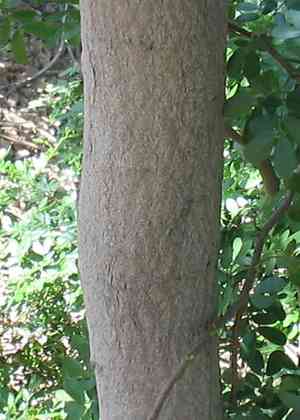
The most favorable time to relocate blackbrush acacia is as the soil warms in spring, which is perfect for encouraging root development. Verify that the chosen location provides ample sunlight and soil that drains effectively. Gradually introduce blackbrush acacia to its new surroundings to ensure the best possible growth.
What Preparations are Needed Before Transplanting Blackbrush Acacia?
What is the Ideal Time for Transplanting Blackbrush Acacia?
The best period for relocating blackbrush acacia is when temperatures start to rise but before summer's intense heat. This timeframe, from early spring to the beginning of summer, allows roots to establish without undue stress. Moving blackbrush acacia during this revitalizing season enables it to adapt to its new spot with a full growth cycle ahead, promoting strong development. Choosing this window ensures a smooth transition for your blackbrush acacia, leading to a flourishing future.
How Much Space Should You Leave Between Blackbrush Acacia Plants?
When preparing a new home for your blackbrush acacia, remember that adequate spacing is crucial! Aim to position them approximately 15-20 feet (4.5-6 meters) apart. This provides each blackbrush acacia sufficient room for its roots and branches to expand as it matures.
What is the Best Soil Mix for Blackbrush Acacia Transplanting?
Prior to transplanting your blackbrush acacia, prepare a well-draining soil mixture with a touch of limestone for alkalinity. Incorporate a balanced, slow-release fertilizer to provide your blackbrush acacia with essential nutrients. Target a pH level between 6.5 and 7.5 for optimal growth.
Where Should You Relocate Your Blackbrush Acacia?
Your blackbrush acacia thrives in ample sunlight, so select a location that receives full sun exposure throughout the day. This means at least 6-8 hours of direct, unobstructed sunshine to help your blackbrush acacia flourish in its new environment.
What Equipments Should You Prepare Before Transplantation Blackbrush Acacia?
Gardening Gloves
To safeguard your hands while handling blackbrush acacia.
Shovel or Spade
For excavating the plant and creating a hole for re-planting.
Pruning Shears
To trim any damaged roots or branches.
Watering Can or Hose
For hydrating blackbrush acacia before and after relocation.
Wheelbarrow or Tarp
To transport the blackbrush acacia.
Root Stimulator
To encourage new root development post-transplant.
Mulch
To help maintain soil moisture and regulate temperature around blackbrush acacia.
Stakes or Supports
To offer stability for blackbrush acacia if needed.
How Do You Remove Blackbrush Acacia from the Soil?
How Do You Remove Blackbrush Acacia from the Soil?
From Ground: Hydrate the blackbrush acacia plant to moisten the soil. Then, excavate a wide trench around the plant using a shovel or spade, ensuring the root ball remains intact. Gently maneuver the spade beneath the root ball to lift blackbrush acacia from the ground.From Pot: Before extracting blackbrush acacia from its container, water it to ease the roots. Tilt the pot sideways and tap the base to gently loosen the plant. Support the root ball as you slide blackbrush acacia out of the pot.From Seedling Tray: Dampen the soil in the seedling tray. Utilize a spoon or a small stick to carefully lift the seedling, making sure to keep the roots and surrounding soil together.
Step-by-Step Guide for Transplanting Blackbrush Acacia
Check Health
Inspect blackbrush acacia for any indications of disease or pests. Only healthy specimens should be moved to minimize transplant shock.
Dig A Proper Hole
Excavate a hole that is twice the width of the blackbrush acacia's root ball, but no deeper than its previous growing depth.
Placement
Position blackbrush acacia in the center of the hole, ensuring it sits at the same depth it was growing before. Adjust the hole's depth if necessary.
Refilling the Hole
Backfill the hole with the excavated soil, gently compacting it around the blackbrush acacia's root ball to eliminate air pockets.
Water Thoroughly
After planting, deeply water blackbrush acacia to settle the soil and hydrate the roots.
Applying Mulch
Apply a layer of mulch around the base of blackbrush acacia, avoiding direct contact with the stem or trunk.
Add Support
If blackbrush acacia is tall and top-heavy, insert stakes on opposite sides and loosely tie the plant for support.
How Do You Care For Blackbrush Acacia After Transplanting?
Regular Watering
Ensure consistent moisture for blackbrush acacia, watering when the top inch of soil feels dry.
Checking Stakes
Inspect stakes or supports regularly to adjust them as blackbrush acacia grows and to ensure they're not harming the plant.
Pruning
Trim away any damaged or stressed limbs to encourage vigorous new growth.
Observation
Monitor blackbrush acacia for signs of transplant shock, such as wilting or yellowing leaves, and address issues promptly.
Fertilizing
Avoid fertilizing until blackbrush acacia has established itself and shows signs of new growth, as this can stress recently transplanted specimens.
Troubleshooting Common Issues with Blackbrush Acacia Transplantation.
When's the best time to transplant blackbrush acacia for optimal growth?
The ideal period for relocating blackbrush acacia spans from early spring to the onset of summer.
How far apart should I space blackbrush acacia when transplanting?
For ample room to thrive, maintain a generous distance of 15-20 feet (4.5-6 meters) between blackbrush acacia plants.
What should I do if blackbrush acacia wilts after transplanting?
Ensure blackbrush acacia receives sufficient water, protect it from intense sunlight, and confirm that soil drainage is adequate.
Why are blackbrush acacia's leaves turning yellow after transplanting?
Yellowing foliage often indicates overwatering or poor drainage. Balance moisture levels and improve soil structure.
Should I prune blackbrush acacia when transplanting, and how much?
Minimal pruning is advised; simply shape lightly and remove any damaged branches to promote new growth.
Is it normal for blackbrush acacia to droop after transplanting?
Some drooping is natural as blackbrush acacia adapts. Ensure consistent watering and protection from harsh conditions.
What type of soil is best for transplanting blackbrush acacia?
Well-draining soil with a slightly acidic to neutral pH (6.0-7.5) will provide optimal conditions for blackbrush acacia.
How often should I water blackbrush acacia post-transplant?
Water deeply once a week, allowing the soil to dry between waterings, to establish strong roots for blackbrush acacia.
Can I transplant blackbrush acacia during the summer months?
It's not recommended. Late spring transitions are crucial to prevent heat stress and bolster root establishment.
What should I do if blackbrush acacia doesnât flower post-transplant?
Patience is key. Root establishment takes precedence over flowering. If conditions are suitable, blackbrush acacia will eventually bloom.



