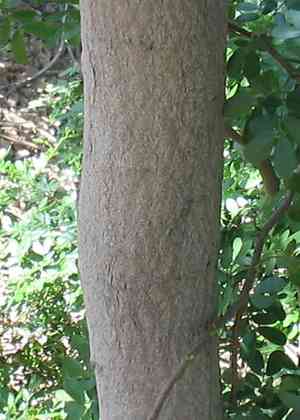
Blackbrush acacia (Vachellia rigidula)
Also known as: Blackbrush acacia, Chaparro prieto
The blackbrush acacia (Vachellia rigidula) is a native deciduous shrub found in northern Mexico and southern Texas. Known for its thorny branches, it is often used to create protective barrier hedges. Additionally, it serves as an appealing ornamental plant, enhancing landscape aesthetics. The shrub's fragrant, bushy flowers are highly attractive to nectar-feeding birds and insects, including honeybees, thereby supporting local biodiversity.
In This Article
Attributes of Blackbrush acacia
Lifespan
Perennial
Plant Type
Shrub
Plant Height
1.5 m to 4.5 m
Spread
3.5 m to 4.5 m
Leaf Color
Green
Flower Size
Approximately 1-1.5 cm
Flower Color
Yellow Green
Images of Blackbrush acacia
Quickly Identify Blackbrush acacia
1
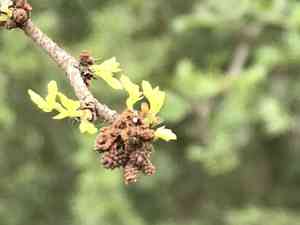
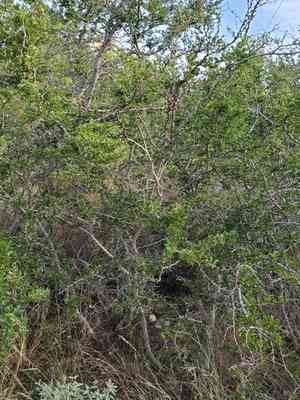
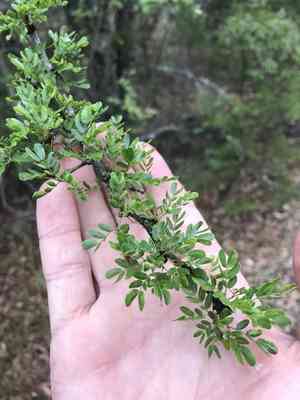
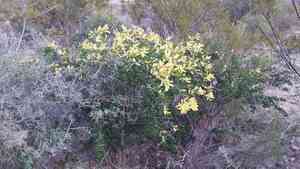
Identify Vachellia rigidula by its small, bipinnate leaves, spiny branches, and the dark, often blackish bark. The flowers are small, yellow, and packed into spherical clusters.
Scientific Classification of Blackbrush acacia
Phylum
Vascular plants
Class
Dicotyledons
Order
Fabales
Family
Legume
Genus
Thorn trees
Species
Blackbrush acacia
Planting and Growing of Blackbrush acacia
Care Difficulty
Hard
Watering Schedule
Every day
Sunlight Requirements
Full sun
Sunshine Duration
6-10 hours
Ideal Temperature
68-86℉
Soil Type
Potting Mix, Peat Mix
Soil pH
6.5-7.5
Fertilizer Type
Balanced
Pruning Season
Spring, Summer
Pruning Area
Branches, Leaves
Pruning Frequency
2 times a year
Repotting Season
Spring
Pot Type
Plastic, Ceramic
 How to Water Blackbrush acacia?
Vachellia rigidula, known for its resilience in arid conditions, requires minimal watering. The principle is to keep the soil slightly damp but never waterlogged. Ensure each watering session is about 250ml, enough to moisten the top few centimeters of the soil without saturating it.
What are the symptoms of an underwatered Blackbrush acacia?
›
What should I do if my Blackbrush acacia is not getting enough water?
›
What are the symptoms of an overwatered Blackbrush acacia?
›
How to save an overwatered Blackbrush acacia?
›
 What Are the Sunlight Requirements for Blackbrush acacia?
Vachellia rigidula thrives best in full sun conditions, with 8 to 12 hours of direct sunlight daily. This robust solar exposure ensures optimal photosynthesis, promoting healthy growth, vibrant foliage, and enhanced resistance to pests and diseases.
More About Sunlight Requirements Techniques→
Optimal Sun Exposure
›
Problem Identification
›
Benefits of Ideal Light
›
 What Is the Ideal Temperature Range for Blackbrush acacia?
For Vachellia rigidula, the ideal temperature range is between 68°F and 86°F. This temperature range allows the plant to thrive, promoting active growth and robust development. Temperatures within this range ensure that the physiological processes of the plant are not hindered, leading to optimal photosynthesis and nutrient uptake.
 What Soil is Best for Blackbrush acacia?
Vachellia rigidula thrives in well-drained soil to prevent root rot and ensure proper air exchange within the root system. This condition allows the plant to uptake nutrients efficiently, resulting in healthier growth. This plant can adapt to nutrient-poor soils, typically found in sandy or calcareous environments. Utilizing its nitrogen-fixing abilities, Vachellia rigidula enriches the soil which supports its growth and benefits surrounding vegetation. Although tolerant to drought, Vachellia rigidula benefits from occasional watering, especially in prolonged dry periods. Controlling moisture levels prevents stress and encourages robust foliage and development.
 How to Fertilize Blackbrush acacia?
For Vachellia rigidula, it is important to provide a balanced amount of nutrients. In the growing season, use about 1 tablespoon of balanced fertilizer per plant for optimal growth. Make sure the fertilizer is well-diluted to prevent root burn.
 How to Prune Blackbrush acacia?
Begin by identifying dead, diseased, or damaged branches. These should be removed first to allow the plant to focus its energy on healthy growth. After removing unhealthy parts, focus on shaping the plant. Trim back longer branches to encourage a more compact form, keeping the natural shape in mind. Once you're done, make sure to clean up the area, disposing of any pruned material to prevent the spread of diseases or pests from the discarded plant matter.
More About Pruning Techniques→
 How to Propagate Blackbrush acacia plant?
1
Collect ripe seeds from the plant and soak them in water for 24 hours to improve germination rates. This step helps to soften the seed coat, making it easier for germination to occur.
2
Select healthy, disease-free branches and use sterile pruning shears to take 4-6 inch cuttings. Make the cut just below a node to facilitate rooting.
3
For seeds, plant them in a well-draining seed starting mix and cover lightly. For cuttings, dip the cut end in a rooting hormone and plant in moist, sandy soil.
 How to Repot Blackbrush acacia plant?
1
Vachellia rigidula needs repotting when you notice rootbound symptoms such as roots emerging from the drainage holes, slow growth, or yellowing leaves. The best time to repot is during the growing seasons of spring and summer, as this is when the plant is most active.
2
Select a pot that is 1-2 inches larger in diameter than the current one. Ensure it has drainage holes to prevent waterlogging. Choosing the right size helps the plant establish roots without overwhelming its system, and proper drainage prevents root rot.
3
Use a well-draining cactus mix to repot Vachellia rigidula. This type of soil ensures excess water drains quickly, preventing root rot and simulating the plant's natural arid environment, making it healthier and more resilient.
Toxicity
Ingestion
WARNING
The judgment on toxicity and danger is for reference only. We DO NOT GUARANTEE any accuracy of such judgment. Therefore, you SHALL NOT rely on such judgment. It is IMPORTANT TO SEEK PROFESSIONAL ADVICE in advance when necessary.
Learn More About Blackbrush acacia Diseases
Anthracnose
Bacterial Leaf Spot
Bacterial Wilt
Crown Gall
Cyst Nematode
Damping-off
Drought Stress
Fusarium Wilt
Gray Mold
Leaf Curl
Leaf Spot
Mosaic
Nutrient Deficiency
Nutrient Toxicity
Powdery Mildew
Root Rot
Root-knot Nematode
Rusts
Sooty Mold
Spider Mites
Temperature Stress
Thrips Damage
White Mold



