How to Prune Blackbrush acacia?
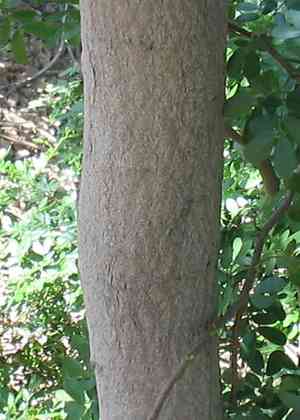
This spiny bush, recognized for its robust and arid-resistant characteristics, flourishes in dry environments, featuring tiny, composite foliage and blossoms ranging from white to yellow. The most effective trimming for blackbrush acacia entails excising deceased or ailing branches and contouring the plant to preserve its inherent shape. Trimming ought to be performed in the winter season when the plant is inactive to lessen strain and prevent sap leakage. Consistent trimming aids blackbrush acacia by enhancing air circulation, lowering the likelihood of illness, and stimulating fresh development, leading to a more vigorous and controllable shrub.
Advantages of Trimming Blackbrush Acacia
Advantages of Trimming Blackbrush Acacia
Trimming blackbrush acacia promotes robust development by eliminating dead or diseased wood. It assists in preserving the plant's form, enhancing its visual appeal and manageability within the landscape.
Optimal Period for Trimming Blackbrush Acacia
Optimal Period for Trimming Blackbrush Acacia
Trimming blackbrush acacia during late winter to early spring, just prior to the start of the growing season, is beneficial. This timeframe is ideal as the plant remains dormant, minimizing stress and the risk of disease transmission often linked with cuts. Furthermore, the structure is more visible without leaves, allowing for more precise trimming. Pruning at this time also stimulates vigorous growth and maintains plant health as energy is directed towards producing new shoots. Avoiding the flowering and fruiting periods ensures that the plant's reproductive capacity and species continuation are not hampered. This timing aligns with blackbrush acacia's naturally slow growth cycle while capitalizing on the end of the cold season, setting the stage for a strong growth period.
Tools Required for Trimming Blackbrush Acacia
Hand Pruners
Crucial for making clean cuts on branches up to 3/4 inches in diameter. Perfect for trimming young growth and shaping blackbrush acacia.
Lopping Shears
Designed for cutting through branches between 3/4 inch and 1 1/2 inches thick. These provide greater leverage and are suitable for maintaining blackbrush acacia's overall structure.
Pruning Saw
Essential for removing larger branches exceeding 1 1/2 inches thick. A pruning saw ensures smooth cuts on blackbrush acacia's mature wood without causing plant damage.
Gloves
Thick gloves are advised to shield the user's hands from blackbrush acacia's thorns during trimming.
Long-Sleeved Clothing
To protect against thorns, wear protective attire when handling and trimming blackbrush acacia.
Pruning Sealer
After cutting large branches, a pruning sealer can be applied to safeguard blackbrush acacia from pests and diseases.
How to Trim Blackbrush Acacia
Sanitize Tools
Before beginning, sterilize pruning shears and saws with a solution of 1 part bleach to 9 parts water to prevent spreading diseases to blackbrush acacia.
Remove Withered Leaves
Carefully inspect blackbrush acacia for withered leaves. Use your hands or pruning shears to gently remove them, ensuring not to harm healthy parts. Dispose of the removed material away from healthy plants.
Cut Dead Branches
Identify and remove dead branches from blackbrush acacia by cutting them at the point where they meet healthy wood. Make clean cuts to facilitate quick healing and avoid stubs which can attract pests.
Prune Diseased Branches
Locate and prune diseased branches on blackbrush acacia. Cut well below the affected area, at least several inches into healthy tissue, to ensure the disease is completely eradicated. Disinfect tools after each cut.
Maintain Shape
Thin out dense areas to maintain the natural shape of blackbrush acacia and improve air circulation. Remove any overlapping or rubbing branches to promote the overall health of the plant.
Common Trimming Errors with Blackbrush Acacia
Excessive Pruning
Removing too much foliage or too many branches at once can stress blackbrush acacia and lead to poor growth or reduced flowering.
Flush Cutting
Making flush cuts against the trunk can lead to disease and decay because blackbrush acacia needs the branch collar intact to properly heal the wound.
Neglecting Tool Hygiene
Using dirty pruning tools can introduce pathogens to blackbrush acacia, potentially causing infections and disease.
Indiscriminate Pruning
Cutting without a specific purpose or plan can result in an unbalanced structure and may harm blackbrush acacia's health and aesthetic appeal.
Leaving Stubs
Leaving branch stubs can prevent proper healing and invite pests and disease to infect blackbrush acacia.
General Trimming Advice for Blackbrush Acacia
Clean Tools
Before trimming blackbrush acacia, disinfect tools to prevent the spread of disease. Clean tools after each use.
Three-Cut Method
When removing larger branches, use the three-cut method to prevent bark tearing: an undercut, a relief cut farther out, and a final cut near the branch collar.
Thinning
Focus on thinning out crowded areas to improve air circulation and light penetration, which benefits blackbrush acacia's overall health and growth.
Target Dead Material
Aim to clear away all dead or diseased wood to maintain the vitality of blackbrush acacia without impacting its natural growth habit.
Prune For Structure
Principle cuts should shape blackbrush acacia and encourage strong, well-spaced branches, taking care not to disrupt its natural form.



