How to Transplant Southern mountain cranberry?
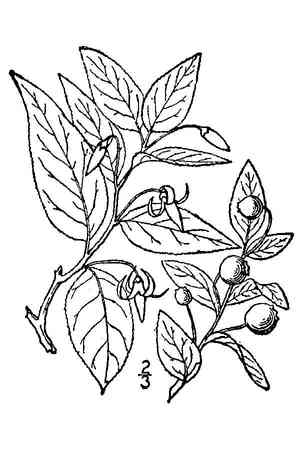
The most favorable time to relocate southern mountain cranberry is from the beginning of early spring until the middle of spring, which guarantees the plant flourishes in its new setting. Select a spot featuring acidic, adequately drained soil, and dappled sunlight for superior outcomes.
Essential Preparations Before Relocating Southern Mountain Cranberry
Optimal Period for Southern Mountain Cranberry Relocation?
Southern mountain cranberry should ideally be moved from early to mid-spring. This timeframe, when the ground softens and temperatures are milder, allows the plant to establish roots prior to summer's heat. Transplanting then ensures better survival rates and vigorous development, as the plant can fully utilize the upcoming growing season.
Required Spacing Between Southern Mountain Cranberry Plants?
When relocating southern mountain cranberry, ensure each plant is spaced 2-3 feet (60-90 cm) apart. This provides ample room for growth and air circulation, leading to healthier specimens.
Ideal Soil Blend for Southern Mountain Cranberry Relocation?
For southern mountain cranberry, prepare well-drained, acidic soil with a pH between 4.5 and 5.5. Incorporate a foundational fertilizer, such as compost or an acidic blend, to enrich the soil and encourage robust development.
Optimal New Location for Your Southern Mountain Cranberry?
Select a site for southern mountain cranberry that receives full to partial sunlight, ideally 4-6 hours of sun daily. This supplies the energy necessary for blooming and fruiting, ensuring a flourishing garden.
Equipment Needed Before Transplanting Southern Mountain Cranberry
Gardening Gloves
To safeguard your hands while handling soil and plants.
Spade or Shovel
For digging around the plant and preparing the new planting site.
Garden Trowel
Useful for smaller, more precise digging tasks.
Watering Can or Hose
To hydrate the soil at both the original and new locations.
Bucket or Wheelbarrow
For moving the plant and any soil.
Pruners
To trim any damaged roots during the relocation process.
Mulch
To aid in moisture retention and weed suppression post-transplant.
Stakes and Ties
To provide support to the plant if necessary after its move.
Method for Extracting Southern Mountain Cranberry from the Ground
Method for Extracting Southern Mountain Cranberry from the Ground?
From Ground: First, water the southern mountain cranberry plant to moisten the soil. Then, dig a wide trench around the plant using a shovel or spade, ensuring the plant's root ball remains intact. Carefully work the spade beneath the root ball to lift the plant from its original spot.From Pot: Gently water the plant to soften the soil. Hold the plant at its base and carefully tilt the pot. Tap the pot to loosen the root ball and slide the plant out. If the plant is root-bound, gently separate the roots.From Seedling Tray: Water the seedling tray to make the soil easier to manage. Use a garden trowel to carefully scoop out the seedlings, ensuring you retrieve as much of the root system as possible. Be gentle to avoid harming the delicate roots.
Step-by-Step Guide for Relocating Southern Mountain Cranberry
Site Preparation
Clear the chosen area of any weeds or debris. Dig a hole that is twice as wide and the same depth as the southern mountain cranberry plant's root ball.
Soaking
Thoroughly water the hole before placing the plant in it. This prepares the soil to receive the roots.
Planting
Position the southern mountain cranberry plant in the hole, ensuring the top of the root ball is level with the surrounding ground. Fill the hole halfway with soil and water it to eliminate any air pockets. Continue filling the hole with soil, gently firming it around the plant.
Mulching
Apply a layer of mulch around the plant's base to retain moisture and inhibit weed growth, keeping it a few inches from the stem to prevent rot.
Staking
If the plant is tall or bushy, consider using stakes and ties to offer support while it establishes itself in its new location.
Post-Transplant Care for Southern Mountain Cranberry
Watering
Keep the soil around the southern mountain cranberry consistently moist, but not waterlogged, for the initial weeks after transplanting to aid in strong root development.
Mulching
Ensure the mulch layer remains intact and replenish as needed to maintain moisture levels and control weeds.
Pruning
Remove any dead or damaged leaves or branches to help reduce plant stress and encourage healthy growth.
Monitoring
Regularly check for signs of transplant shock, such as wilting or yellowing leaves, and ensure the plant is not exposed to extreme conditions.
Resolving Common Issues During Southern Mountain Cranberry Transplantation.
When is the optimal time to transplant southern mountain cranberry?
Early to mid-spring is ideal as the plant is emerging from dormancy.
What spacing is recommended for southern mountain cranberry?
Southern mountain cranberry should be spaced 2 to 3 feet (60 to 90 cm) apart for optimal growth.
Which soil type is best for southern mountain cranberry?
Southern mountain cranberry thrives in well-drained, acidic soil with a pH of 4.5 to 5.5.
How deep should I plant southern mountain cranberry?
Plant southern mountain cranberry at the same depth it was growing in its original location.
Should I water southern mountain cranberry immediately after transplanting?
Yes, water southern mountain cranberry thoroughly right after transplanting to help settle the soil.
Is it advisable to transplant southern mountain cranberry in the summer?
Transplanting in the summer is not recommended due to heat stress risks.
How should I prepare the transplant site for southern mountain cranberry?
Prepare a hole twice the width of the root ball and amend the soil with compost.
What is the best way to handle southern mountain cranberry roots during transplanting?
Handle the roots gently and avoid disturbing them too much to reduce transplant shock.
Should I prune southern mountain cranberry before transplanting?
Lightly prune any damaged or excessively long roots before transplanting southern mountain cranberry.
How can I minimize transplant shock for southern mountain cranberry?
Mulch around southern mountain cranberry and keep it well-watered, but not waterlogged, to minimize transplant shock.



