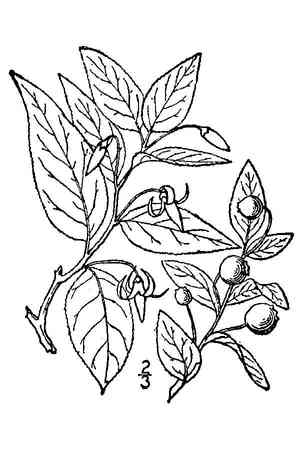
Southern mountain cranberry (Vaccinium erythrocarpum)
Also known as: Arando, Highbush cranberry
An example of a plant with a strikingly discontinuous distribution is Vaccinium erythrocarpum. One of its subspecies is found in the southeastern United States, while another subspecies occurs in East Asia.
In This Article
Attributes of Southern mountain cranberry
Lifespan
Perennial
Plant Type
Shrub
Plant Height
1.5 m
Spread
1.2 m
Leaf Color
Green, turning red in fall
Flower Size
0.2 to 0.3 inches (0.5 to 0.8 cm)
Flower Color
White to pink
Images of Southern mountain cranberry
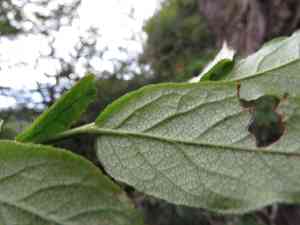
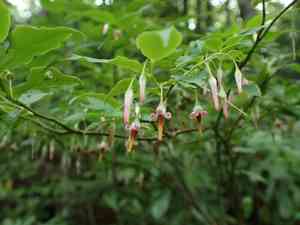
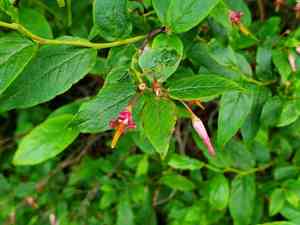
Quickly Identify Southern mountain cranberry
1
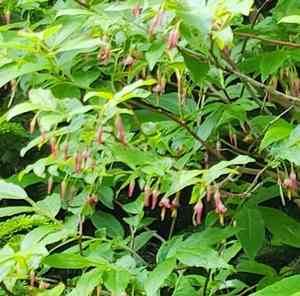
Look for a shrub with oval leaves turning red in fall, white to pinkish bell-shaped flowers, and bright red berries. Its height usually doesn\'t exceed 5 feet.
Scientific Classification of Southern mountain cranberry
Phylum
Vascular plants
Class
Dicotyledons
Order
Ericales
Family
Heath
Genus
Blueberries
Species
Southern mountain cranberry
Planting and Growing of Southern mountain cranberry
Care Difficulty
Moderate
Watering Schedule
Every 3 days
Sunlight Requirements
Partial sun
Sunshine Duration
4-8 hours
Ideal Temperature
50-75℉
Soil Type
Potting Mix, Peat Mix
Soil pH
4.5-6
Fertilizer Type
Balanced
Pruning Season
Spring, Summer
Pruning Area
Branches, Leaves
Pruning Frequency
2 times a year
Repotting Season
Spring
Pot Type
Plastic, Ceramic
 How to Water Southern mountain cranberry?
When watering Vaccinium erythrocarpum, it is best to maintain an even level of moisture without waterlogging the plant. Water thoroughly until you see a slight trickle from the drainage holes, which indicates the soil has absorbed enough moisture for the plant's requirements.
What are the symptoms of an underwatered Southern mountain cranberry?
›
What should I do if my Southern mountain cranberry is not getting enough water?
›
What are the symptoms of an overwatered Southern mountain cranberry?
›
How to save an overwatered Southern mountain cranberry?
›
 What Are the Sunlight Requirements for Southern mountain cranberry?
Located in partial sun or full shade, these plants benefit from consistent indirect light, supporting vitality, adaptability, and resistance to common stressors.
What type of light does it prefer?
›
How can we ensure ideal light conditions?
›
What are the benefits of ideal light?
›
 What Is the Ideal Temperature Range for Southern mountain cranberry?
What is the ideal temperature range for growing Vaccinium erythrocarpum? The ideal temperature range for Vaccinium erythrocarpum is between 50°F and 75°F. This range ensures optimal growth, as the plant thrives in mild to moderately warm conditions without experiencing stress from extreme temperatures.
 What Soil is Best for Southern mountain cranberry?
Vaccinium erythrocarpum requires well-drained soil to prevent root rot and ensure healthy growth. Proper drainage allows roots to absorb nutrients efficiently, promoting lush foliage and abundant fruit production. While drainage is crucial, the soil should also retain adequate moisture to keep the plant hydrated. Sandy loam provides an ideal balance, ensuring the plant doesn't suffer from drought stress. Incorporating organic matter or compost into the soil enriches its nutrient profile, offering essential minerals for the plant's development. This nutrient boost supports vigorous growth and bolsters the plant's defense against pests and diseases.
 How to Fertilize Southern mountain cranberry?
Vaccinium erythrocarpum, commonly known as Southern mountain cranberry, requires moderate fertilization. A balanced 10-10-10 NPK fertilizer is suitable, applied at a rate of one tablespoon per square foot during the growing season to promote healthy growth and vibrant foliage.
 How to Prune Southern mountain cranberry?
Start by removing dead or dying branches. Next, cut back any branches that cross because they can cause damage if they rub together. Aim to open up the center of the plant to increase light and air penetration. After removing problematic branches, focus on shaping the plant. Vaccinium erythrocarpum can be pruned to maintain a certain shape or size, which can be beneficial in garden design. Cut just above a bud pointing in the direction you want new growth. After pruning, ensure the plant is well-watered, but avoid waterlogging. Fertilize if needed according to the plant's specific requirements. This will help it bounce back more vigorously.
More About Pruning Techniques→
 How to Propagate Southern mountain cranberry plant?
1
Gather seeds from mature Vaccinium erythrocarpum berries, clean them thoroughly to remove pulp, and let them dry. Stratify them by storing in the refrigerator for about three months to break dormancy.
2
Select healthy, semi-hardwood stems and cut them into 4-6 inch lengths. Remove lower leaves and dip the cut end in rooting hormone to enhance root development.
3
Carefully dig up an established plant and separate it into smaller sections, each with roots and shoots. Plant each section immediately to ensure rapid establishment.
 How to Repot Southern mountain cranberry plant?
1
Look for signs indicating it's time to repot your Vaccinium erythrocarpum. If you observe roots emerging from the drainage holes or the growth seems stagnated, these are strong indicators. Moreover, if the soil dries out faster than usual, it may be time to give your plant a new home.
2
Selecting the right pot for Vaccinium erythrocarpum is crucial. It should have sufficient drainage holes to prevent waterlogging, which can rot the roots. Opt for a pot that is 1-2 inches larger in diameter than the current one, providing ample space for root expansion while avoiding over-potting, which can hold excess moisture.
3
Choose an acidic, well-draining soil mix, as Vaccinium erythrocarpum thrives in such a medium. A mix of peat moss, perlite, and pine bark will ensure good aeration while retaining the acidity needed for optimal growth. This soil supports healthy root systems and provides the necessary nutrients.
Learn More About Southern mountain cranberry Diseases
Anthracnose
Bacterial Leaf Spot
Crown Gall
Cyst Nematode
Damping-off
Downy Mildew
Drought Stress
Fusarium Wilt
Gray Mold
Leaf Curl
Leaf Spot
Mosaic
Nutrient Deficiency
Nutrient Toxicity
Powdery Mildew
Root Rot
Root-knot Nematode
Rusts
Sooty Mold
Spider Mites
Temperature Stress
Thrips Damage
White Mold



