How to Propagate Southern mountain cranberry?
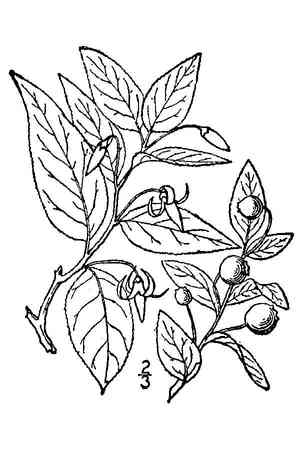
Southern mountain cranberry flourishes when reproduced via cuttings, a technique highly effective for maintaining the genetic purity of this variety. Utilize semi-hardwood sections from vigorous, pathogen-free specimens during periods of active development for the best outcome. Confirm that the cuttings measure approximately 4-6 inches in length, and apply rooting compound to the severed ends to stimulate strong root formation. Insert these into a growing medium that drains efficiently yet retains moisture, ensuring elevated humidity and steady dampness until the root system is firmly established, thereby boosting the overall rate of success.
Optimal Period for Southern Mountain Cranberry Propagation
Propagation Method
Cutting
Propagation Period
Fall,Winter
Tools Utilized in Southern Mountain Cranberry Propagation
Sharp Pruning Shears
These are vital for making clean cuts from southern mountain cranberry without harming the plant tissues. Sharp blades ensure the cuttings are robust and disease-free, boosting the propagation success rate.
Rooting Hormone
This substance significantly boosts root development when applied to the cut ends of southern mountain cranberry cuttings. It stimulates quicker root growth, which is key for the strong establishment of new plants.
Sterile Potting Mix
Employing a well-draining, sterile mix offers an ideal setting for southern mountain cranberry cuttings to flourish without the threat of fungal infections. This medium allows delicate new roots to easily penetrate the soil, aiding in better nutrient absorption.
Humidity Dome
This device helps maintain adequate moisture levels around southern mountain cranberry cuttings, crucial for preventing water loss through the leaves. A humidity dome also ensures stable temperature conditions, both vital for improving propagation success.
How to Propagate Southern Mountain Cranberry?
Propagation Difficulty
Moderately Difficult
Post-Propagation Care for Southern Mountain Cranberry
How to Care for Your Newly Propagated Southern Mountain Cranberry?
Once southern mountain cranberry cuttings have successfully rooted and acclimated, ensure they receive proper care to encourage vigorous growth. Provide them with partial to full sunlight and water regularly to keep the soil consistently moist. Use a rhododendron or acidic plant fertilizer to support healthy development. Protect them from extreme temperatures and pests. Applying mulch around the base of the plants can help retain moisture and shield the roots in colder climates.
Common Errors to Avoid When Propagating Southern Mountain Cranberry
Insufficient soil preparation
Using an unsuitable soil type for southern mountain cranberry can result in poor root development and issues with water retention. Southern mountain cranberry requires acidic, well-draining soil. An improper soil mix can hinder growth and increase susceptibility to diseases.
Excessive watering
While southern mountain cranberry needs moist soil, overwatering can lead to root rot, a common issue that can destroy the root system and kill young plants. It is essential to maintain a balance and ensure proper drainage.
Ignoring humidity needs
Southern mountain cranberry thrives in high humidity environments. Neglecting this requirement leads to dried-out plants, which can significantly affect leaf and fruit development, reducing overall propagation success.
Tips for Propagating Southern Mountain Cranberry
Application of acidifying fertilizers
Using acidifying fertilizers helps maintain the appropriate soil pH levels for southern mountain cranberry. This practice promotes healthy root and foliage growth, which is crucial for successful propagation.
Correct cutting technique
When propagating southern mountain cranberry via cuttings, ensure each cutting has at least two to three nodes. Cuttings taken from healthy, disease-free plants enhance the likelihood of propagation success.
Layering for propagation
The layering technique involves bending a southern mountain cranberry branch towards the ground and partially burying it to stimulate root growth. This method is particularly effective for southern mountain cranberry as it keeps the branch connected to the parent plant, ensuring it receives nutrients during root formation.



