How to Prune Southern mountain cranberry?
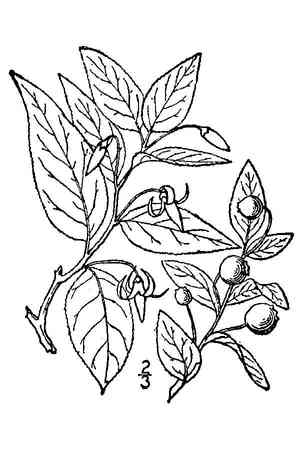
The southern mountain cranberry, known for its vivid crimson fruit and fragile blossoms, thrives with trimming best performed in early spring or late winter. Concentrate on eliminating deceased or compromised branches to foster robust development. Gentle trimming enhances air movement and light exposure, diminishing the likelihood of illness. Sculpting the shrub preserves its visual attractiveness and vitality. Consistent pruning also revitalizes mature specimens, guaranteeing peak berry yield. Always employ sanitized, keen implements to avert contamination and harm.
What Are the Benefits of Pruning Southern Mountain Cranberry?
What Are the Benefits of Pruning Southern Mountain Cranberry?
Trimming southern mountain cranberry promotes robust development and maintains its desired form. Regular cutting aids in maximizing sun exposure and air movement, boosting fruit yield and overall plant vitality.
What Is the Best Time for Pruning Southern Mountain Cranberry?
What Is the Best Time for Pruning Southern Mountain Cranberry?
Pruning southern mountain cranberry during late winter or early spring is ideal as it occurs before new growth begins. This timing ensures that energy reserves built up during dormancy are used for healthy new growth immediately after pruning, enhancing the plant's strength and output. Additionally, pruning prior to the spring growth spurt allows the plant to quickly mend pruning wounds, lowering the chance of disease entry. This schedule also avoids removing flower buds essential for later fruit production, thus not affecting berry yield.
What Tools Do I Need to Prune Southern Mountain Cranberry?
Hand pruners
Perfect for making accurate cuts on southern mountain cranberry. These enable gardeners to selectively trim dead or overgrown branches, which helps maintain plant health and encourages fruit production.
Pruning saw
Essential for cutting through thicker, older branches that hand pruners cannot manage. This tool helps control the size and shape of southern mountain cranberry, especially important for managing its spread in a garden setting.
Loppers
Useful for reaching deeper into or higher up the plant to prune larger branches up to 2 inches thick. Loppers provide the leverage needed to make clean cuts without harming southern mountain cranberry.
How to Prune Southern Mountain Cranberry
Identify
Thoroughly inspect southern mountain cranberry to locate diseased leaves, withered leaves, dead branches, and infected branches. These parts typically appear discolored, shriveled, or show signs of fungal infection or pest damage.
Sanitize
Before beginning the pruning process, disinfect all pruning tools. This prevents the spread of disease between different parts of southern mountain cranberry or to other plants. Use a solution of one part bleach to nine parts water to clean the blades effectively.
Prune leaves
Carefully remove diseased and withered leaves from southern mountain cranberry by snipping them at the base where they connect to the stem or branch. Ensure clean cuts to avoid tearing, which can increase susceptibility to diseases.
Prune branches
Cut away dead and diseased branches from southern mountain cranberry. Make cuts at a 45-degree angle just above a healthy bud or junction, ensuring not to damage the collar (the thick part where the branch joins the stem) to promote proper healing.
Dispose
Properly discard all removed plant material to prevent any potential spread of disease. Do not compost diseased plant parts as they might infect the compost. Securely bagging and removing these materials from near southern mountain cranberry is advised.
Common Pruning Mistakes with Southern Mountain Cranberry
Overpruning
Removing too much foliage from southern mountain cranberry can stress the plant, reducing its vitality and flowering potential. It's crucial to prune only what is necessary to shape the plant or remove unhealthy parts.
Improper timing
Pruning at the wrong times can interfere with bud development and reduce the flowering and fruiting capabilities of southern mountain cranberry.
Incorrect cuts
Making cuts too close to the bud or leaving too long a stub can lead to damage and disease. It's important to make clean cuts that promote quick healing.
Neglecting tool cleanliness
Using dirty or rusty pruning tools can introduce pathogens to the open wounds of southern mountain cranberry, potentially causing disease and infection.
Common Pruning Tips for Southern Mountain Cranberry
Tool preparation
Ensure that all pruning tools are sharp and clean. This helps make precise cuts that heal quickly, minimizing stress and disease risk for southern mountain cranberry.
Selective pruning
Focus on removing only dead, diseased, or damaged branches, along with any branches that cross or rub against each other. This prevents unnecessary stress and promotes better air circulation and light penetration.
Gentle approach
When pruning southern mountain cranberry for shape or size, remove no more than one-third of the plant at a time. This conservative approach helps maintain plant health and vigor.
Cutting technique
Make cuts at a 45-degree angle about 1/4 inch above a bud that faces the outside of the plant. This encourages outward growth and helps prevent water accumulation on the cut surface, which can lead to decay.



