How to Transplant Lavender bladderwort?
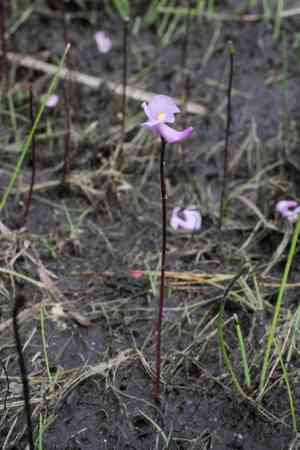
Lavender bladderwort thrives when relocated in either early spring or from late autumn into early winter, since cooler weather reduces strain. Provide a bright, moist spot with fertile earth to encourage its development. Always handle with care for optimal outcomes.
What Preparations are Needed Before Transplanting Lavender Bladderwort?
What is the Ideal Time for Transplanting Lavender Bladderwort?
The optimal period for relocating lavender bladderwort, an annual/perennial plant, is from late autumn to early winter. This timeframe allows the plant to establish its root system prior to the onset of the growing season. Cooler temperatures and reduced daylight minimize transplant shock and encourage root development, ensuring successful growth come spring.
How Much Space Should You Leave Between Lavender Bladderwort Plants?
When relocating lavender bladderwort, position your plants 12 inches (30 cm) apart. This spacing provides ample room for growth and expansion, reducing nutrient competition and fostering healthy development.
What is the Best Soil Mix for Lavender Bladderwort Transplanting?
Prepare a well-draining, sandy or loamy soil enriched with organic compost as the foundational fertilizer for lavender bladderwort. This plant prefers slightly acidic to neutral soils, so aim for a pH of approximately 6.0-7.0 for optimal results.
Where Should You Relocate Your Lavender Bladderwort?
Lavender bladderwort thrives in locations receiving full sunlight to partial shade. Select a garden spot that receives at least 4-6 hours of direct sunlight daily to ensure vigorous growth and abundant flowering.
What Equipments Should You Prepare Before Transplantation Lavender Bladderwort?
Gardening Gloves
To safeguard your hands while handling soil and the plant.
Small Spade or Trowel
To excavate around the plant and carefully lift it from its original position.
Bucket or Container
To hold the lavender bladderwort and its soil during the relocation process.
Watering Can or Hose
To hydrate the plant before and after its transfer.
Mulch
To aid in retaining soil moisture and safeguarding the roots post-transplant.
Markers or Stakes
To indicate the new planting spot and offer support if required.
How Do You Remove Lavender Bladderwort from the Soil?
How Do You Remove Lavender Bladderwort from the Soil?
From Ground: First, irrigate the lavender bladderwort plant to moisten the soil. Next, excavate a wide trench around the plant using a small spade or trowel, ensuring the plant's root ball remains intact. Carefully maneuver the trowel beneath the root ball to extract the plant from its initial location.From Pot: Water the lavender bladderwort thoroughly, allowing excess water to drain. Gently tilt the pot on its side and tap the edges to loosen the soil. Carefully slide the plant out by grasping the base of the stem and gently pulling.From Seedling Tray: Gently water the seedlings to dampen the soil. Use a small trowel or your fingers to carefully lift each plant, being mindful of the delicate roots. Hold the seedling by its leaves rather than the stem to prevent damage.
Step-by-Step Guide for Transplanting Lavender Bladderwort
Prep the New Site
Prepare the new planting location by digging a hole twice as wide and the same depth as the lavender bladderwort's root ball. This facilitates easy root spread.
Water the Hole
Before placing the plant, fill the hole with water and allow it to drain. This helps create a moist environment for the roots.
Place the Plant
Carefully position the lavender bladderwort in the center of the hole, ensuring the top of the root ball is level with, or slightly below, the surrounding soil surface.
Backfill the Hole
Gently refill the hole with soil, making sure to eliminate any air pockets by firming the soil around the roots.
Water Again
After backfilling, thoroughly water the lavender bladderwort to help settle the soil and establish contact between the roots and the soil.
Apply Mulch
Apply a layer of mulch around the plant's base, but not touching the stem, to help retain moisture and regulate soil temperature.
How Do You Care For Lavender Bladderwort After Transplanting?
Watering
Keep the soil around the lavender bladderwort consistently moist, but not waterlogged, for the initial weeks post-transplant to aid in developing strong roots.
Monitoring
Regularly inspect the plant for indications of stress such as wilting or yellowing leaves, and adjust care as necessary.
Weed Control
Keep the area surrounding the lavender bladderwort free of weeds by gently hand-pulling to prevent root competition.
Fertilizing
Avoid fertilizing immediately after transplanting to prevent root burn. Wait at least 4-6 weeks before applying a balanced, slow-release fertilizer if required.
Troubleshooting Common Issues with Lavender Bladderwort Transplantation.
When is the best time to transplant lavender bladderwort?
Early spring or from late fall to early winter are optimal periods for relocating lavender bladderwort.
How far apart should I space lavender bladderwort plants?
Position lavender bladderwort 12 inches (30 cm) apart to ensure sufficient room for growth.
How do I prepare the soil for transplanting lavender bladderwort?
Ensure soil is moist and well-drained. Loosen it and remove any debris prior to transplanting.
What is the best way to water lavender bladderwort after transplanting?
Water thoroughly post-transplant, then maintain consistent moisture without saturating the soil.
Why do my transplanted lavender bladderwort plants look wilted?
Wilted plants may be a result of transplant shock. Keep soil moist and provide partial shade initially.
How can I prevent root damage when transplanting lavender bladderwort?
Handle the root ball gently and keep as much soil intact around the roots as possible.
What should I do if lavender bladderwort leaves start to yellow post-transplant?
Yellowing leaves may indicate overwatering or poor drainage. Adjust irrigation and ensure soil drains effectively.
Can I use fertilizer when transplanting lavender bladderwort?
Avoid immediate fertilization; instead, wait a few weeks after transplant to apply a balanced fertilizer.
Should I prune lavender bladderwort when transplanting?
Pruning is not essential during transplanting, but removing damaged leaves can lessen stress on the plant.
How can I protect lavender bladderwort from pests after transplanting?
Regularly check for pests and use organic insecticides or plant-friendly repellents to deter them.



