How to Prune Lavender bladderwort?
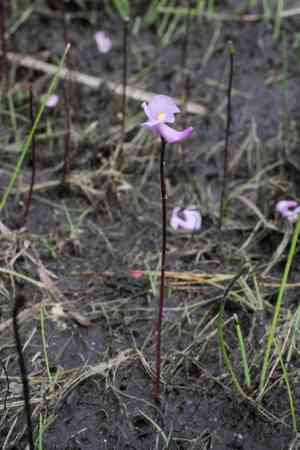
A unique aquatic carnivorous plant, lavender bladderwort flourishes in low-nutrient settings by capturing sustenance in submerged sacs. Trim any withered or discolored traps and stalks to foster vitality and regulate expansion, preferably during its peak growth periods in spring and summer. Autumnal trimming readies lavender bladderwort for its winter resting phase, boosting its renewal. This practice not only preserves its appearance but also encourages more robust and energetic development. Employ sanitized shears to prevent the introduction of harmful microorganisms.
Advantages of Trimming Lavender Bladderwort
Advantages of Trimming Lavender Bladderwort
Trimming lavender bladderwort encourages robust development and helps maintain its compact form. This ensures the plant stays healthy, lowers disease risk, and promotes more abundant blooms.
Optimal Pruning Period for Lavender Bladderwort
Optimal Pruning Period for Lavender Bladderwort
Pruning or trimming lavender bladderwort during Spring, Summer, and Fall aligns with its active growth phases, enabling it to recover and regenerate more effectively post-pruning. In Spring, pruning stimulates new growth and enhances the health and vigor of lavender bladderwort as it emerges from winter dormancy. Summer pruning is beneficial for managing the plant's shape and removing any damaged or overly dense parts, ensuring healthy growth and proper light and air circulation within the foliage. Trimming in Fall is effective for removing old or dead growth and preparing lavender bladderwort for its dormant winter period, potentially reducing the likelihood of disease and pest infestations.
Tools Required for Pruning Lavender Bladderwort
Fine-tipped scissors
These allow for precise cuts, ideal for removing dead or yellowing leaves from lavender bladderwort, a plant known for its delicate foliage and small size.
Tweezers
Useful for gently handling and removing debris or dead organic material from the intricate, moist environment where lavender bladderwort thrives without harming its sensitive structures.
How to Prune Lavender Bladderwort
Identify
Locate the withered or yellowed leaves on lavender bladderwort, making sure to distinguish them from healthy, vibrant growth.
Access
Use fine-tipped scissors or small pruning shears, as lavender bladderwort's structure is delicate. Sanitize your tools before use to prevent disease spread.
Cut
Gently snip the withered leaves at their base where they connect to the stem. Avoid pulling the leaves to prevent damage to the root system and nearby healthy tissues.
Dispose
Carefully discard the removed leaves to prevent any potential disease or pest from spreading in your garden or aquatic setup.
Monitor
After pruning, observe lavender bladderwort for any signs of stress or further decline, which could indicate additional care requirements or environmental adjustments.
Common Pruning Errors with Lavender Bladderwort
Over-pruning
A common error with lavender bladderwort is removing too much of the plant at once. This can stress the plant, leading to poor growth and reduced flowering.
Improper tool use
Using dull or unclean pruning tools can damage lavender bladderwort's delicate stems, potentially introducing disease.
Pruning healthy growth
It's a mistake to prune healthy growth, as this can hinder lavender bladderwort's ability to photosynthesize efficiently and thrive.
Ignoring dead material
Failing to remove dead or decaying matter can attract pests and diseases, negatively affecting the health of lavender bladderwort.
General Pruning Advice for Lavender Bladderwort
Sterile equipment
Always use sharp, clean scissors or shears to prune lavender bladderwort, ensuring clean cuts that heal quickly without stressing the plant.
Minimal pruning
Due to lavender bladderwort's delicate nature, practice minimal pruning â focusing primarily on removing dead or yellowing leaves to promote healthier growth and more effective traps.
Post-flowering
Cut back any spent flowers to redirect lavender bladderwort's energy towards growth and the development of new traps and blooms.
Watch for stress
Observe lavender bladderwort after pruning for signs of stress like wilting or discoloration, and adjust your care routine accordingly to support recovery.



