How to Transplant Lesser bladderwort?
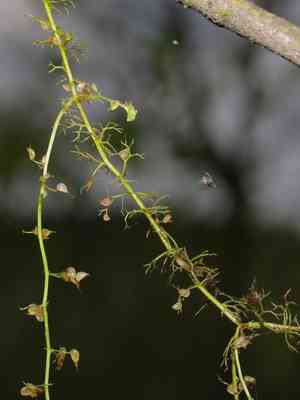
The optimal period for relocating lesser bladderwort extends from the onset of early spring through the peak of late spring, leveraging moderate temperatures for root development. Select a damp, well-lit spot, and proceed cautiously, as lesser bladderwort flourishes with delicate handling during transfers.
Preparations Required Before Relocating Lesser Bladderwort?
Optimal Period for Moving Lesser Bladderwort?
Relocating lesser bladderwort as winter's grip loosens, from early spring's onset until its full vitality emerges, guarantees the strongest start. This timing allows their delicate root systems to establish in cool, damp soil, benefiting from spring's ample rainfall and gentler sun. The moderate growth rate during this phase enables lesser bladderwort to gradually acclimate, promising vigorous summer development and a season abundant with blooms. Your garden's allure will soon reflect the flourishing elegance of lesser bladderwort.
Recommended Spacing Between Lesser Bladderwort Plants?
Greetings! For your beautiful lesser bladderwort, you'll want to provide ample room for growth. Aim for a spacing of approximately 4-6 inches (10-15 cm) between each plant. This ensures sufficient area for their roots to spread without excessive competition from neighboring plants.
Ideal Soil Blend for Lesser Bladderwort Relocation?
For lesser bladderwort, a light, peaty soil with a good amount of organic material works wonders. It's like preparing a cozy bed for them. Before planting, enrich the soil with a balanced fertilizer â consider it a nourishing welcome meal for your lesser bladderwort!
Where to Position Your Lesser Bladderwort?
Now, where should you place your lesser bladderwort? These lovely plants require bright but indirect light - envision a location that's sunny, yet sheltered. An east-facing spot that receives morning light is nearly perfect. Avoid the intense midday sun, which can be too harsh for them.
Equipment to Prepare Before Transplanting Lesser Bladderwort?
Watering Can
To ensure sufficient moisture for lesser bladderwort both before and after its relocation.
Trowel or Hand Spade
For carefully extracting lesser bladderwort from its current spot without harming its delicate structure.
Gardening Gloves
To safeguard your hands while handling soil and the plant.
Bucket or Tray
To move lesser bladderwort from its original position to the new site.
Pruning Shears
To trim any unhealthy roots or stems if necessary.
How to Extract Lesser Bladderwort from the Soil?
How to Extract Lesser Bladderwort from the Soil?
From Ground: First, lightly water lesser bladderwort to make the soil easier to manage while minimizing root disturbance. Carefully insert a trowel in a circle around the plant, maintaining some distance to prevent root damage. Gently loosen the surrounding soil and lift the plant with a good portion of its roots and soil intact.From Pot: Tilt the pot sideways and tap the bottom to loosen. Support lesser bladderwort by its base and slowly ease it out, ensuring the root ball and surrounding soil are preserved.From Seedling Tray: Water the tray to moisten the soil. Use a spoon or a dibbler to gently lift each individual lesser bladderwort plug, being careful not to tear the fragile roots.
Step-by-Step Guide for Relocating Lesser Bladderwort
Prepare the New Location
Dig a hole in the ground slightly larger than the root ball of lesser bladderwort to facilitate insertion and root expansion.
Plant Placement
Carefully position lesser bladderwort in the center of the hole, ensuring the top of the root ball is level with the surrounding soil surface.
Refill the Hole
Gently backfill around lesser bladderwort with soil, being careful not to compact the soil too much, which can hinder root growth.
Watering
Water lesser bladderwort generously immediately after transplanting to settle the soil and hydrate the roots.
Support Structure
If lesser bladderwort requires support, insert a stake or support structure at the time of planting, being cautious not to damage the root system.
Post-Transplant Care for Lesser Bladderwort?
Monitoring
Regularly inspect lesser bladderwort for indications of stress, such as wilting or discoloration, and adjust watering or shade as needed.
Maintenance Pruning
Remove any dead or yellowing foliage from lesser bladderwort to encourage healthy growth and prevent disease.
Weed Removal
Keep the area around lesser bladderwort clear of weeds that could compete for nutrients and water.
Resolving Common Issues with Lesser Bladderwort Relocation.
When is the ideal time to move lesser bladderwort?
The best period is from early to late spring when temperatures are moderate.
How much space does lesser bladderwort require when being moved?
Allow ample room for spreading, about 4-6 inches (10-15 cm) between each plant.
What if lesser bladderwort wilts after being moved?
Ensure it's adequately watered and not in direct sunlight until it shows signs of recovery.
Why isn't my relocated lesser bladderwort thriving?
Check for poorly drained soil or root damage during the relocation process.
How deep should lesser bladderwort's roots be planted?
The roots should be just beneath the surface, covered with a thin layer of soil.
Can I move lesser bladderwort on a hot day?
Prefer cooler days or relocate in the evening to prevent stress and wilting.
Does lesser bladderwort need special soil after being moved?
Use a mix of peat and sand for good drainage and to mimic its natural environment.
Should I fertilize lesser bladderwort after relocation?
Wait a few weeks for lesser bladderwort to establish before considering mild fertilization.
What indicates overwatering in a relocated lesser bladderwort?
Yellowing leaves or stunted growth may suggest overwatering. Allow the soil to dry slightly.
How do I protect relocated lesser bladderwort from pests?
Regularly inspect and use a gentle insecticidal soap solution if pests are detected.



