The Lesser bladderwort Plant Advantage: Maximizing Home and Office Appeal and Wellness
1
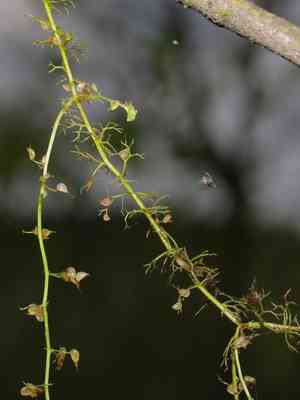
Utricularia minor is a diminutive water plant recognized for its bladder-shaped snares.
2
This flora plays a vital role in maintaining the well-being of water environments.
3
Utricularia minor functions as a biological pest management agent by capturing tiny aquatic creatures.
What Makes Lesser bladderwort Unique?
Understanding the Structure of Lesser bladderwort
Lesser bladderwort, a member of the bladderwort family, is characterized by its small, bladder-like structures used for capturing prey. These bladders are highly effective at trapping tiny aquatic organisms, supplying the plant with essential nutrients in environments lacking them.
Bladder Mechanism and Function
The bladder mechanism of Lesser bladderwort operates on a vacuum principle. When small aquatic invertebrates touch the trigger hairs on the bladders, it opens rapidly, and the organism is drawn in within milliseconds. This remarkable mechanism ensures Lesser bladderwort sustains its nutrient intake even in challenging conditions.
How Does Lesser bladderwort Benefit Aquatic Ecosystems?
Contribution to Water Quality
Lesser bladderwort plays a crucial role in purifying water bodies. By capturing and digesting small organisms, it helps manage populations that could otherwise multiply and degrade water quality. This natural filtration system promotes clearer and cleaner water.
Supporting Biodiversity
Lesser bladderwort's presence in aquatic environments supports a diverse array of life forms. By keeping certain pest populations in check, it fosters a more balanced ecosystem where various aquatic plants and animals can flourish. This, in turn, ensures rich and varied biodiversity.
Can Lesser bladderwort Be Used in Pest Control?
Natural Pest Control Abilities
One of the significant advantages of Lesser bladderwort is its natural pest control capabilities. By trapping and digesting small aquatic pests, it reduces the need for chemical pesticides, promoting a healthier environment. This makes Lesser bladderwort an excellent ally in sustainable aquatic management.
Impact on Invasive Species
Invasive species can often disrupt the balance of aquatic ecosystems. Lesser bladderwort, with its effective trapping mechanism, helps to control certain invasive invertebrates, thereby safeguarding native species and preserving ecological balance.
How to Cultivate Lesser bladderwort in Your Aquatic Garden?
Optimal Growing Conditions
For those interested in cultivating Lesser bladderwort in their aquatic gardens, providing the right conditions is essential. This plant thrives in still or slow-moving water with ample sunlight. Ensuring a nutrient-poor environment will encourage Lesser bladderwort to utilize its trapping mechanism effectively.
Maintaining Health and Sustainability
Regular monitoring of water quality and controlling excessive growth of nearby plants can help maintain the health of Lesser bladderwort. Additionally, avoiding over-fertilization is crucial as it can diminish the plantâs need to trap prey, impacting its overall health and functionality.
Does Lesser bladderwort Have Other Environmental Benefits?
Erosion Control
Lesser bladderwort can also assist in erosion control. By stabilizing the substrate in which it grows, it helps prevent soil erosion along water bodies. This stability not only preserves the landscape but also minimizes sedimentation that can negatively affect aquatic habitats.
Educational and Research Value
Beyond its direct environmental benefits, Lesser bladderwort offers immense educational and research value. Studying its unique trapping mechanism and ecological roles can provide insights into plant evolution, adaptation, and the intricate interactions within ecosystems. This makes Lesser bladderwort a valuable species for scientific exploration.



