How to Prune Lesser bladderwort?
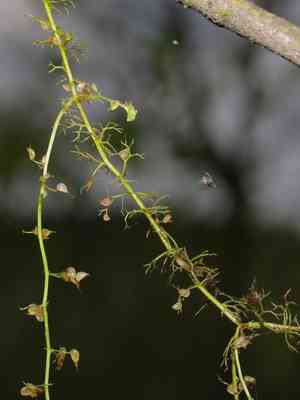
This carnivorous aquatic plant flourishes in water lacking nutrients, ensnaring prey with minute bladders. Trimming for lesser bladderwort entails eliminating deceased or deteriorating material and withered flower stems to encourage robust development. Conduct upkeep during Spring, Summer, or early Autumn prior to its dormant phase. Pruning boosts the effectiveness of nutrient uptake and prevents decay. Employ sanitized, keen implements to execute accurate incisions, safeguarding healthy bladders and leaves from harm.
What Are the Benefits of Pruning Lesser Bladderwort?
What Are the Benefits of Pruning Lesser Bladderwort?
Trimming lesser bladderwort promotes robust development and helps maintain its desired shape, ensuring peak health and visual appeal.
What Is the Best Time for Pruning Lesser Bladderwort?
What Is the Best Time for Pruning Lesser Bladderwort?
For lesser bladderwort, pruning in Spring allows for the removal of any foliage damaged over winter and stimulates new growth. Early Summer pruning aligns with post-flowering care, helping to manage its form and remove spent blooms, which can encourage a potential second flowering under certain conditions. Fall provides an opportunity for gardeners to tidy the plant before its dormant winter period, potentially removing old growth or dead material that could harbor pests or diseases. These seasons are considered optimal as they support lesser bladderwort's growth patterns without disrupting its natural cycle or impairing its health and vitality.
What Tools Do I Need to Prune Lesser Bladderwort?
Fine-tipped scissors
Given the delicate and small nature of lesser bladderwort, fine-tipped precision scissors are the preferred tool. These scissors enable gardeners to make accurate cuts without harming the tiny and fragile stems and leaves.
Tweezers
Tweezers can be utilized to remove dead or decaying material from lesser bladderwort without disturbing the surrounding plant. This is especially crucial due to the plant's small size and aquatic habitat, where any disruption can have a disproportionate impact.
Aquatic plant trimmer
For those cultivating lesser bladderwort in an aquatic setting, a specialized aquatic plant trimmer is recommended. This tool is designed to reach into water and trim plants with minimal disturbance to the water and the plant's delicate root system.
How to Prune Lesser Bladderwort
Clean tools
Before beginning, ensure that pruning tools are clean and sharp to prevent the spread of disease and reduce damage to lesser bladderwort's delicate structures.
Clear debris
Carefully remove any debris or dead organic matter surrounding lesser bladderwort to facilitate easier access to the plant and identify parts needing pruning.
Prune diseased leaves
Gently trim any diseased leaves from lesser bladderwort, making sure to cut at the base of the leaf to avoid leaving stubs that could harbor disease.
Trim withered leaves
Trim off withered leaves from lesser bladderwort, cutting close to the stem to promote healthy growth without causing unnecessary damage to the rest of the plant.
Remove dead branches
Using fine-pointed scissors, carefully remove any dead branches from lesser bladderwort, making precise cuts to avoid disturbing nearby healthy growth.
Common Pruning Mistakes with Lesser Bladderwort
Overpruning
A common error is removing too much of lesser bladderwort at once, which can stress the plant and lead to poor growth or even plant death.
Incorrect tool use
Using dull or unsanitized pruning tools can damage lesser bladderwort's delicate tissues, leading to poor cut healing or introducing pathogens.
Improper technique
Cutting too close to the crown of lesser bladderwort or ripping stems, instead of using a clean snip, can harm the plant's prospects of recovery and regrowth.
Common Pruning Tips for Lesser Bladderwort
Selective trimming
Carefully trim away only dead or dying foliage to maintain the health and aesthetics of lesser bladderwort, encouraging more vigorous growth and bloom production.
Tool sanitation
Always use sharp, sanitized tools to make clean cuts on lesser bladderwort, minimizing stress on the plant and the risk of disease.
Incremental approach
Prune lesser bladderwort gradually, if necessary, to allow it to acclimate to the changes without significant shock, thus promoting healthy regrowth.



