How to Transplant Cat's tail plant?
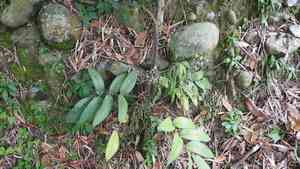
Relocate your cat's tail plant during the invigorating period of early to mid-spring, which is ideal for root development. Select a location bathed in sunlight, featuring soil that drains effectively. Careful handling and continuous hydration after transplantation facilitate a seamless adjustment.
What Preparations are Needed Before Transplanting Cat's Tail Plant?
What is the Ideal Time for Transplanting Cat's Tail Plant?
Early to mid-spring marks the optimal period for relocating cat's tail plant. This season offers mild temperatures and ample time for growth, allowing the plant's roots to establish in the warming ground. Moving cat's tail plant during this window ensures smooth adaptation to its new setting, leverages spring's nurturing conditions for root development, and primes the plant for a vigorous growing season. Seizing this opportunity promotes a robust beginning for your cat's tail plant, fostering strong development and vitality.
How Much Space Should You Leave Between Cat's Tail Plant Plants?
When moving cat's tail plant, ensure a separation of roughly 1-2 feet (30-60 cm) between each specimen. This spacing provides sufficient room for individual growth without competition for nutrients.
What is the Best Soil Mix for Cat's Tail Plant Transplanting?
For cat's tail plant, the perfect soil drains well yet retains moisture. Incorporate a generous amount of compost or organic material to boost the soil's nutrient content before planting. For initial fertilization, consider a balanced, slow-release product.
Where Should You Relocate Your Cat's Tail Plant?
Cat's tail plant thrives in sunlight, so aim for a spot that receives full sun exposure for most of the day. However, intense afternoon sun can be detrimental, so a slightly shaded area might be ideal!
What Equipments Should You Prepare Before Transplantation Cat's Tail Plant?
Gardening gloves
To safeguard your hands while handling soil and plants.
Shovel or Spade
For excavating a hole and extracting the plant from its original spot.
Garden Pruners
To trim any damaged or excessively long roots.
Garden Trowel
Useful for digging smaller holes and breaking up compacted soil.
Garden Hose or Watering Can
To hydrate both before and after the relocation.
Mulch
To safeguard the newly moved plant and aid in moisture retention.
Stakes and Ties
To provide support to the plant as it adjusts to its new surroundings, if needed.
How Do You Remove Cat's Tail Plant from the Soil?
How Do You Remove Cat's Tail Plant from the Soil?
From Ground: First, water the cat's tail plant to moisten the soil. This will facilitate easier and less damaging removal of the roots. Dig a wide trench around the plant using a shovel or spade, ensuring the root ball stays intact. Carefully work the spade beneath the root ball, and slowly lift the plant from the ground.From Pot: Water the plant in its container before moving. Turn the pot sideways and gently pull out the plant by holding its base. If it remains stuck, lightly tap the pot's sides to loosen it.From Seedling Tray: Water the seedlings thoroughly. Carefully separate individual cat's tail plant seedlings by gently pulling from their base. Be cautious not to harm their delicate roots.
Step-by-Step Guide for Transplanting Cat's Tail Plant
Digging the Hole
Excavate a hole in your chosen spot using a shovel or spade. The hole should be twice the width of your cat's tail plant's root ball and equally deep.
Preparing the Plant
If any roots are damaged, trim them with pruners. This ensures the plant directs its energy towards new growth.
Placing the Plant
Position the cat's tail plant in the prepared hole. The top of the root ball should be level with or slightly below the ground surface. If the plant sits too low, add some soil beneath it.
Back Filling
Fill the hole with soil around the root ball. Avoid piling soil on top of the root ball or against the stem or trunk of the cat's tail plant, as this can lead to decay.
Watering
Thoroughly water the plant after planting to help settle the soil. Ensure deep watering to reach the plant's root zone.
Staking
If your cat's tail plant requires support, use stakes and ties to help it stand upright. However, be careful not to tie them too tightly. The plant should have some freedom of movement for better growth.
How Do You Care For Cat's Tail Plant After Transplanting?
Monitoring
Observe your cat's tail plant closely for the initial weeks post-transplant. Look for signs of stress like wilting, yellowing, or dropped leaves. If these appear, it may need extra attention.
Watering
Maintain consistent soil moisture but prevent overwatering. Saturated soil can cause root rot. Adjust irrigation based on rainfall and temperature.
Protection
Apply mulch around the base of your cat's tail plant to help retain moisture and suppress weeds. This also prevents soil compaction and aids root development.
Support
Keep stakes and ties in place until the cat's tail plant can support itself, but periodically check and adjust them. They should not hinder the plant's growth.
Pest Control
Regularly inspect for pests and diseases. Early detection is crucial for maintaining your cat's tail plant's health.
Troubleshooting Common Issues with Cat's Tail Plant Transplantation.
When is the ideal time to transplant cat's tail plant?
The best time to move cat's tail plant is during either spring ('S1') or early autumn ('S2'). This is when the plant will experience the least stress and have the highest chance of adapting to a new environment.
What's the ideal space to be provided between cat's tail plant during transplantation?
Cat's tail plant should ideally be spaced 1-2 feet (30-60 cm) apart. Providing ample room allows each plant to receive sufficient sunlight, air circulation, and growth.
What's the best method for digging cat's tail plant for transplantation?
When transplanting cat's tail plant, proceed gently. Begin by lightly watering the area, then carefully dig around the plant, ensuring no damage to the main root system.
How do I ascertain the right amount of watering for cat's tail plant post-transplant?
Observe cat's tail plant closely after transplanting. If leaves droop or yellow, it might require more water. However, overwatering is detrimental, so keep the soil moist, not waterlogged.
What to consider when choosing a new location for cat's tail plant?
Cat's tail plant will thrive in a location receiving full sun to partial shade. It prefers well-draining soil. Therefore, ensure the new spot meets these requirements.
How best do I prepare the new site for cat's tail plant transplant?
Loosen the top 10 inches (25 cm) of soil at the new location, removing any stones or debris. Then, enrich the site with compost or organic matter.
What's the best strategy to remove cat's tail plant from its existing location?
Use a garden spade to gently loosen the plant. Make sure to keep the root ball intact to prevent root shock during transplantation.
How should I care for the cat's tail plant after transplanting to reduce stress?
Temporarily reduce direct sunlight exposure, water regularly, and consider using a rooting hormone to help your cat's tail plant regain strength and adapt to its new environment.
Should I prune cat's tail plant before or after transplantation?
Lightly prune cat's tail plant before moving it. Trimming some top growth helps balance the stress placed on roots during transplantation.
What should I do if the transplanted cat's tail plant shows signs of wilting?
Do not be alarmed if cat's tail plant wilts after transplanting. Maintain frequent watering sessions. If wilting persists beyond a week, assess for potential root damage or disease.



