How to Prune Cat's tail plant?
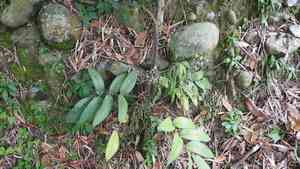
The cat's tail plant, known for its unique trailing blossoms, thrives with regular trimming to boost flower production and control its form. Perform pruning in late spring or early summer, once the main flowering period concludes, to encourage fresh development. Remove faded flowers and sculpt the plant's crown by shortening elongated stems, but refrain from severe cuts since the cat's tail plant responds favorably to light shaping. This targeted trimming supports the plant's well-being, fostering abundant flowering. Always employ sanitized, sharp implements to avert the spread of pathogens during this activity.
What Are the Benefits of Pruning Cat's Tail Plant?
What Are the Benefits of Pruning Cat's Tail Plant?
Trimming cat's tail plant is essential for encouraging flower production and boosting its resilience to pests and illnesses, ensuring healthier and more visually appealing development.
What Is the Best Time for Pruning Cat's Tail Plant?
What Is the Best Time for Pruning Cat's Tail Plant?
For cat's tail plant, late spring and early summer are optimal periods for pruning or trimming. During these seasons, cat's tail plant enters its active growth phase, allowing it to recover quickly from pruning wounds and direct energy towards new growth. Pruning in late spring helps remove winter frost damage and shapes the plant before vigorous summer growth. In early summer, selective pruning improves air circulation and sunlight penetration, fostering a healthier plant. This timing also avoids disrupting cat's tail plant's flowering or fruiting cycles, crucial for its reproductive success and aesthetic appeal.
What Tools Do I Need to Prune Cat's Tail Plant?
Hand Pruning Shears
Perfect for severing stems and branches up to 3/4 inches in diameter. Cat's tail plant possesses relatively slender stems that hand shears can easily cut through.
Long-Handled Loppers
Suitable for reaching elevated branches and offering leverage for cutting through branches slightly thicker than what hand shears can manage, typically up to 1 and 1/2 inches in diameter. Cat's tail plant might occasionally have growths requiring extra reach and cutting power.
Pruning Saw
Required for cutting branches exceeding 1 and 1/2 inches in thickness that hand shears and loppers cannot handle. Depending on cat's tail plant's age and development, some thicker branches may necessitate a saw for effective pruning.
Gloves
To safeguard hands from thorns or rough branches while trimming cat's tail plant.
Cleaning Solution
To sanitize pruning implements before and after use to prevent the spread of diseases in cat's tail plant.
How to Prune Cat's Tail Plant
Clean tools
Disinfect pruning shears or scissors by wiping with alcohol to prevent disease transmission before trimming cat's tail plant.
Remove diseased parts
Carefully snip off any diseased leaves and branches, ensuring cuts are made just above a leaf node or joint for the healthy development of cat's tail plant.
Eliminate dead material
Trim away all dead or withered leaves, branches, and flowers from cat's tail plant to encourage fresh growth and enhance air circulation.
Thin excessive growth
Reduce densely packed branches to maintain the desired form and to improve light penetration and airflow within the foliage of cat's tail plant.
Shape plant
Conclude by gently shaping cat's tail plant, cutting back any overly long branches to promote bushier, more compact development.
Common Pruning Mistakes with Cat's Tail Plant
Over pruning
Cutting back too much of cat's tail plant can stress the plant, leading to weak or stunted growth, or even plant death.
Improper cut location
Making cuts either too close or too far from the node can harm cat's tail plant, causing dieback or undesirable growth.
Dull tools
Using blunt pruning tools can result in jagged cuts that are more vulnerable to pests and diseases in cat's tail plant.
Neglecting diseased sections
Failing to remove diseased or damaged parts of cat's tail plant can allow disease to spread and weaken the plant's overall health.
Ignoring plant shape
Not considering the natural form of cat's tail plant can lead to an unappealing appearance and potentially damage the plant's structure.
Common Pruning Tips for Cat's Tail Plant
Sanitize tools
Before pruning cat's tail plant, always disinfect your tools to prevent disease transmission.
Sharp cuts
Use sharp, clean pruning shears to make precise cuts, which helps cat's tail plant heal faster and more uniformly.
Protective growth
Retain some new growth to shield cat's tail plant from diseases and encourage a lush form.
Angled cuts
Make cuts at a 45-degree angle approximately 1/4 inch above a node or bud to direct new growth in cat's tail plant and prevent water from collecting on the cut surface.
Thinning over cropping
Focus on thinning rather than topping or heavy cropping to maintain cat's tail plant's natural shape and promote airflow, which can reduce disease risk.



