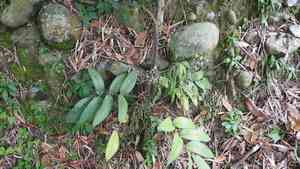
Cat's tail plant (Uraria crinita)
Also known as: Asian foxtail
The Cat's tail plant, or Acalypha hispida, thrives in the tropical areas of Southeast Asia, including Malaysia and Indonesia. It is primarily cultivated for its decorative appeal in gardens and containers. Additionally, it can be used as green manure to improve soil fertility in exhausted agricultural lands.
In This Article
Attributes of Cat's tail plant
Lifespan
Perennial
Plant Type
Shrub
Plant Height
1 m to 1.5 m
Spread
0.5-1 meter
Leaf Color
Green
Flower Size
15 cm to 30 cm
Flower Color
White Pink Purple
Images of Cat's tail plant
Quickly Identify Cat's tail plant
1
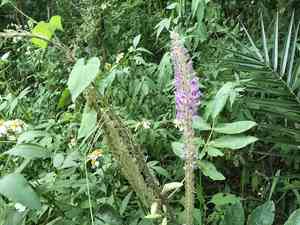
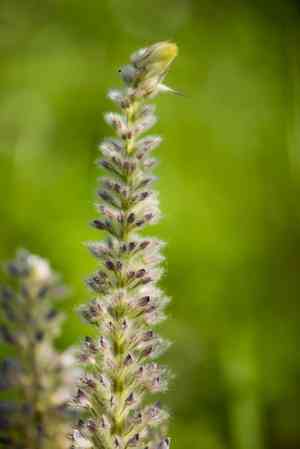
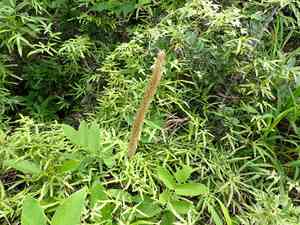
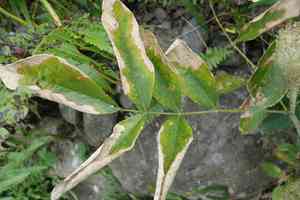
Uraria crinita can be identified by its velvety, hairy stems and small, pink or purplish flowers. The leaves are pinnate with 5-7 pairs of leaflets, giving it a distinctive feather-like appearance.
Scientific Classification of Cat's tail plant
Phylum
Vascular plants
Class
Dicotyledons
Order
Fabales
Family
Legume
Genus
Uraria
Species
Cat's tail plant
Planting and Growing of Cat's tail plant
Care Difficulty
Moderate
Watering Schedule
Every 4 days
Sunlight Requirements
Partial sun
Sunshine Duration
6-12 hours
Ideal Temperature
65-80℉
Soil Type
Potting Mix, Peat Mix
Soil pH
6-7.5
Fertilizer Type
Balanced
Pruning Season
Spring, Summer
Pruning Area
Branches, Leaves
Pruning Frequency
2 times a year
Repotting Season
Spring
Pot Type
Plastic, Ceramic
 How to Water Cat's tail plant?
For Uraria crinita, it is important to water deeply but infrequently, allowing the soil to become moist but not waterlogged. Around 250 ml of water per session ensures the roots get hydrated, but excess water should be avoided to prevent root rot.
What are the symptoms of an underwatered Cat's tail plant?
›
What should I do if my Cat's tail plant is not getting enough water?
›
What are the symptoms of an overwatered Cat's tail plant?
›
How to save an overwatered Cat's tail plant?
›
 What Are the Sunlight Requirements for Cat's tail plant?
Uraria crinita thrives in partial sun conditions, which means it needs dappled sunlight for a few hours daily. Ideal lighting fosters robust growth, optimal coloration, and healthier leaves.
More About Sunlight Requirements Techniques→
How can Uraria crinita achieve ideal sunlight exposure?
›
What measures ensure optimal lighting for Uraria crinita?
›
What benefits does Uraria crinita gain from proper light?
›
 What Is the Ideal Temperature Range for Cat's tail plant?
The ideal temperature range for Uraria crinita lies between 65°F and 80°F. Within this range, the plant can thrive with optimal growth and health, as these temperatures provide the necessary warmth for physiological processes like photosynthesis and nutrient uptake. It is essential to maintain a stable environment within this range for the plant's development.
 What Soil is Best for Cat's tail plant?
Uraria crinita thrives in soils that have good drainage capacities. This ensures that the roots don't sit in water, which can lead to root rot and other diseases. Proper drainage helps the plant develop a robust root system. The plant prefers soils that are moderately fertile. Rich, fertile soils support healthy growth and vibrant foliage. It can benefit from some organic matter, which helps retain moisture and provide essential nutrients. Soil that retains adequate moisture is essential for this plant, especially during dry spells. Moisture retention helps in sustaining plant health by keeping it hydrated and aiding in nutrient absorption.
 How to Fertilize Cat's tail plant?
For Uraria crinita, apply a balanced liquid fertilizer diluted to half strength, about 10-15 ml per litre of water, to ensure the plant receives adequate nutrients without risk of burning. Solid fertilizers should be used sparingly, around 20 grams per plant for slow-release formulations.
 How to Prune Cat's tail plant?
Always sterilize your pruning tools before and after use to prevent the spread of diseases. A simple solution of bleach or alcohol can be used to wipe the blades thoroughly. Never remove more than one-third of the plant at once, as this can stress Uraria crinita. Focus on gradual pruning to maintain plant vigor and ensure continuous growth and blooming.
More About Pruning Techniques→
 How to Propagate Cat's tail plant plant?
1
Fill the seed trays with the potting mix, ensuring it is evenly distributed. Lightly water the mix before planting to ensure it is moist but not overly saturated. This prepares a receptive environment for the seeds.
2
Evenly distribute Uraria crinita seeds across the surface of the potting mix. Gently press them into the soil without covering them entirely, as they require some light to germinate. This helps mimic their natural growth conditions.
3
After sowing, water the seeds lightly using a spray bottle. Cover the seed tray with a plastic dome or plastic wrap to maintain humidity. This technique creates a greenhouse effect, speeding up the germination process.
 How to Repot Cat's tail plant plant?
1
Uraria crinita should be repotted when you notice roots growing out of the drainage holes or when the plant's growth seems stunted. These signs indicate that the plant is root-bound and needs more space to thrive.
2
Select a pot that's slightly larger than the current one, with ample drainage holes. A ceramic or terracotta pot is ideal as it provides better breathability and moisture balance, reducing the risk of root rot.
3
Opt for a well-draining potting mix. It should be rich in organic matter yet loose enough to allow water to flow through easily, preventing water stagnation, which is crucial for healthy root growth.
Learn More About Cat's tail plant Diseases
Anthracnose
Bacterial Leaf Spot
Bacterial Wilt
Crown Gall
Cyst Nematode
Damping-off
Downy Mildew
Drought Stress
Fusarium Wilt
Gray Mold
Leaf Spot
Mosaic
Nutrient Deficiency
Nutrient Toxicity
Powdery Mildew
Root Rot
Root-knot Nematode
Rusts
Sooty Mold
Spider Mites
Temperature Stress
Thrips Damage
White Mold



