How to Propagate Cat's tail plant?
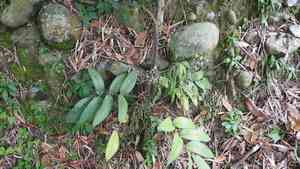
The Cat's tail plant is successfully multiplied via cuttings. For optimal development post-propagation, guarantee the utilization of a substrate with good drainage, sustain sufficient hydration, and offer a location with partial shade to prevent harm from direct solar exposure. To boost root formation, contemplate applying a rooting stimulant prior to inserting the cuttings. It is crucial to keep the growing medium uniformly damp, yet not oversaturated, to encourage robust root growth.
Optimal Period for Cat's Tail Plant Propagation
Propagation Type
Cutting
Propagation Season
Autumn,Winter
Tools for Cat's Tail Plant Propagation
Sharp Pruning Shears
These are vital for making clean, healthy cuts from the parent cat's tail plant without harming plant tissue. Sharp blades ensure a quick-healing cut, reducing infection risk.
Rooting Hormone Powder
This aids in stimulating root development from cat's tail plant cuttings. Applying it to the cut end before planting greatly boosts successful root formation, crucial for new plants.
Sterilized Potting Mix
Using a sterile mix prevents introducing diseases and pests to new cuttings. A well-draining, nutrient-rich blend supports the initial growth of cat's tail plant cuttings by providing an ideal environment for root establishment.
Propagation Tray
Designed to hold multiple cuttings, propagation trays help manage cat's tail plant cuttings in a controlled setting. These often include humidity domes to maintain optimal moisture, vital for cutting survival and growth.
How to Propagate Cat's Tail Plant?
Propagation Type
Moderately Difficult
Caring for Your Newly Propagated Cat's Tail Plant
Caring for Your Newly Propagated Cat's Tail Plant
Once roots have formed, gradually introduce the cat's tail plant to less controlled conditions by removing plastic covers and slowly reducing external humidity. When the plant is robust and shows new growth, it can be moved to a larger pot or directly into the garden. Ensure it receives good light but is shielded from intense, direct sun. Consistent watering, avoiding soggy soil, and occasional feeding with balanced fertilizer will promote healthy development.
Common Errors to Avoid When Propagating Cat's Tail Plant
Overwatering during rooting
Excess moisture can cause root rot or fungal issues in cat's tail plant, impeding healthy root growth. Saturated soil deprives root cuttings of essential oxygen, stunting growth and potentially killing the plant.
Using non-sterile tools and medium
Unclean tools and propagation materials can introduce pathogens to cat's tail plant cuttings or seedlings. This contamination can lead to diseases that compromise or completely prevent successful propagation.
Improper cutting size and technique
Taking cuttings that are too small or too large, or cutting incorrectly, can negatively impact the rooting and growth of cat's tail plant. Incorrect cuts may damage the plant's vascular system, hindering nutrient and water transport.
Neglecting initial care post-propagation
Failing to provide adequate care immediately after propagation, such as maintaining humidity and temperature, can stress cat's tail plant, leading to poor establishment and growth.
Tips For Propagating Cat's Tail Plant
Optimal cutting selection and preparation
Select healthy, disease-free stems for cuttings. Each cutting should have at least two nodes and be 4-6 inches long. Use a sharp, clean knife or scissors to make a precise cut just below a node.
Use of rooting hormones
Applying a rooting hormone to the cut end of cat's tail plant cuttings can significantly boost root development. This encourages quicker establishment and a higher success rate.
Ensure proper humidity and aeration
Maintain a balanced environment with adequate humidity and air circulation. Use a light mist to keep the air around cat's tail plant humid without saturating the soil, supporting healthy root growth without risk of fungal diseases.
Monitor and adjust water levels appropriately
Water cat's tail plant cuttings or plantings just enough to keep the soil moist, but not waterlogged. Proper moisture levels are crucial for encouraging root development while preventing diseases.



