How to Transplant Welsh gorse?
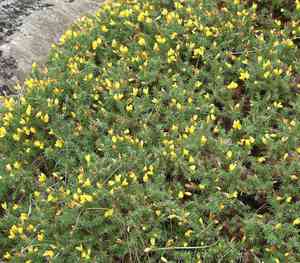
Welsh gorse flourishes when transplanted between early and mid-spring, as this period is ideal for root growth. Select a bright, well-draining spot with soil that is acidic to neutral. During the transplanting process, ensure the plant's root system remains hydrated to facilitate better integration.
What Preparations are Needed Before Transplanting Welsh Gorse?
What is the Ideal Time for Transplanting Welsh Gorse?
The best time to move welsh gorse is from early to mid-spring. This period offers the perfect mix of temperature and soil moisture, vital for root development. Transplanting then allows welsh gorse to adapt and grow strongly before summer's intense heat, fostering robust and healthy growth.
How Much Space Should You Leave Between Welsh Gorse Plants?
When transplanting welsh gorse, ensure each plant is spaced approximately 24-36 inches (60-90 cm) apart. This provides ample room for growth and prevents overcrowding, promoting healthy development.
What is the Best Soil Mix for Welsh Gorse Transplanting?
Welsh gorse thrives in soil that drains well. Prepare a sandy or loamy soil blend, and add a base fertilizer rich in potassium and phosphorus to support strong root growth and healthy foliage.
Where Should You Relocate Your Welsh Gorse?
Select a sunny location for welsh gorse. It requires full sun to flourish, ideally receiving at least 6-8 hours of direct sunlight daily. This ensures vibrant, healthy growth.
What Equipments Should You Prepare Before Transplantation Welsh Gorse?
Gardening Gloves
To shield your hands while handling soil and plants.
Spade or Shovel
For digging around and lifting the plant from its original spot.
Watering Can or Hose
To hydrate the plant before and after its relocation.
Pruners or Scissors
To trim any damaged roots or branches.
Tarp or Old Blanket
To move the plant without harming its roots.
Garden Fork
To loosen the soil in the new planting area.
Mulch
To help retain moisture and protect the plant post-transplant.
How Do You Remove Welsh Gorse from the Soil?
How Do You Remove Welsh Gorse from the Soil?
From Ground: First, water the welsh gorse plant to moisten the soil. Then, dig a wide trench around the plant using a shovel or spade, ensuring the plant's root ball stays intact. Carefully work the spade beneath the root ball to lift the plant from its original spot.From Pot: Gently lay the potted welsh gorse on its side and tap the pot to loosen the soil. Carefully slide the plant out by holding the stem's base and supporting the root ball. Lightly shake the root ball to remove excess soil.From Seedling Tray: Moisten the soil in the tray before removal. Use a small tool or your fingers to carefully lift the welsh gorse seedlings from the tray, taking care not to harm the delicate roots.
Step-by-Step Guide for Transplanting Welsh Gorse
Site Preparation
Loosen the soil in the new planting area using a garden fork. Ensure the hole is twice as wide and as deep as the root ball of the welsh gorse plant.
Root Inspection
Before placing in the ground, examine the roots. Trim any damaged or excessively long roots using pruners or scissors.
Transplanting
Place the welsh gorse plant in the prepared hole, making sure the top of the root ball is level with the surrounding soil surface. Fill in the hole with soil, gently pressing down to eliminate air pockets.
Watering
Water the plant thoroughly after transplanting to settle the soil around the roots. This helps the plant establish in its new location.
How Do You Care For Welsh Gorse After Transplanting?
Watering
Keep the soil around the welsh gorse consistently moist, but not waterlogged, for the first few weeks after transplanting to help establish strong roots.
Mulching
Apply a layer of mulch around the base of the welsh gorse plant to retain moisture and protect the roots from temperature fluctuations.
Monitoring
Watch the welsh gorse plant for any signs of stress or disease, such as wilting or leaf discoloration. Address any issues promptly to ensure successful establishment in its new location.
Troubleshooting Common Issues with Welsh Gorse Transplantation.
When is the best time for transplanting welsh gorse?
Early to mid-spring is ideal for transplanting welsh gorse for better root establishment.
How much space should be between welsh gorse plants?
Space welsh gorse plants 24-36 inches (60-90 cm) apart to ensure proper growth and airflow.
What soil type is best for welsh gorse?
Welsh gorse prefers well-drained, sandy or loamy soil for optimal growth.
How deep should I plant welsh gorse?
Plant welsh gorse at the same depth it was in its original location to prevent stress.
How to prepare the soil for transplanting welsh gorse?
Amend the soil with organic matter to improve drainage and nutrient content before planting welsh gorse.
How much water does welsh gorse need after transplanting?
Water welsh gorse thoroughly immediately after transplanting and keep the soil consistently moist for a few weeks.
Do I need to prune welsh gorse before transplanting?
Pruning welsh gorse before transplanting is not necessary but can help reduce transplant shock.
How to handle roots when transplanting welsh gorse?
Gently untangle any circling roots and trim any damaged ones before planting welsh gorse.
Should I use mulch after transplanting welsh gorse?
Applying a layer of mulch helps retain moisture and suppress weeds around transplanted welsh gorse.
Can welsh gorse be transplanted in hot weather?
Avoid transplanting welsh gorse in hot weather as it can increase stress; aim for cool, springtime.



