How to Prune Welsh gorse?
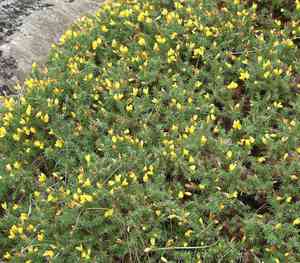
Distinguished by its prickly, perennial leaves and vibrant yellow blossoms, welsh gorse is a resilient shrub that demands little upkeep. Trimming ought to be performed in the colder months while the plant is inactive, to sculpt its form and curb excessive expansion. This period also lessens the effect on blooming, given that welsh gorse flowers on established branches. Consistent trimming improves light penetration and airflow within the shrub, fostering more vigorous development and averting ailments.
Advantages of Trimming Welsh Gorse
Advantages of Trimming Welsh Gorse
Trimming welsh gorse aids in maintaining its form and promotes vigorous development by eliminating overgrown or lifeless branches, thereby enhancing its look and vitality.
Optimal Period for Trimming Welsh Gorse
Optimal Period for Trimming Welsh Gorse
Trimming welsh gorse during Winter is ideal as it coincides with the plant's dormant phase. This timing lessens stress on welsh gorse, fostering healthier growth in the subsequent season. Winter pruning minimizes the risk of pest infestations and illnesses that are more common in warmer months. Furthermore, without leaves and flowers, the structure of welsh gorse is more apparent, allowing for more precise and effective trimming. This period also prevents cutting off new buds that emerge in early spring, ensuring that the flowering potential is not compromised.
Necessary Tools for Trimming Welsh Gorse
Heavy-duty gloves
To safeguard hands from the sharp thorns of welsh gorse, robust gloves are crucial. They should be thick enough to prevent thorn penetration.
Loppers
Given the tough, woody nature of welsh gorse's stems, loppers are perfect for cutting through stems up to 1.5 inches thick. This tool will assist in effectively managing its shape and size.
Long-reach pruners
These pruners offer extended reach, useful for trimming welsh gorse without getting too close to the thorny branches, thus ensuring safety and convenience.
Pruning saw
For older, thicker branches that loppers cannot manage, a pruning saw is suitable. It allows for cutting through dense wood without harming the tool or the plant.
Secateurs
For more delicate trimming and shaping of welsh gorse, secateurs are appropriate. They provide accuracy in cutting smaller branches and help maintain its aesthetic form.
How to Trim Welsh Gorse
Identify
Locate and evaluate the withered leaves, dead branches, and diseased branches on welsh gorse. These parts of welsh gorse can negatively impact its growth and overall health.
Prepare tools
Ready the essential trimming tools, such as sharp secateurs or loppers for precision and clean cuts. Sterilizing the tools before and after use can help prevent the spread of disease in welsh gorse.
Remove withered leaves
Carefully detach the withered leaves from welsh gorse. Doing this improves its appearance and allows more energy to be directed towards the healthy sections of welsh gorse.
Prune dead branches
Trim dead branches by making clean cuts at the point where the dead branch meets the healthy stem. Be careful to avoid damaging the healthy branches of welsh gorse.
Eliminate diseased branches
Identify and meticulously remove any diseased branches, cutting well into the healthy tissue to ensure all traces of the disease are gone. Dispose of these branches properly to prevent contamination or reinfection of welsh gorse.
Common Trimming Errors with Welsh Gorse
Excessive pruning
Over-trimming can severely harm welsh gorse. Removing too much foliage reduces the plant's ability to photosynthesize, potentially leading to stunted growth or plant demise.
Incorrect tools
Using dull, dirty, or unsuitable tools can injure the plant. It may cause poor cuts that make welsh gorse more vulnerable to diseases and pests.
Pruning at the wrong time
Although the best season for pruning is not covered, improper timing in general can affect welsh gorse's growth and flowering. Trimming too late or too early can disrupt the plant's natural cycle.
Ignoring the plant's structure
Not understanding welsh gorse's growth habit can lead to improper cuts. Cutting into old wood or failing to recognize the main stems can impede healthy development.
Focus on aesthetics over health
While shaping the plant is important, prioritizing looks over structural health can lead to unbalanced growth and potential long-term damage.
General Trimming Advice for Welsh Gorse
Use sharp, clean tools
Always use well-maintained trimming tools to ensure clean cuts. This helps prevent the introduction of diseases and promotes faster healing.
Remove dead or damaged wood
Begin by cutting away any dead, damaged, or diseased branches. This will encourage healthier growth and improve airflow within the plant.
Conserve the plant's natural shape
When trimming, work with welsh gorse's natural growth habit. This not only maintains the plant's aesthetic but also encourages robust growth.
Thin out dense growth
Remove some of the older, thicker stems to improve light penetration and air circulation. This enhances overall plant health and reduces pest and disease problems.
Prune gradually
For novice gardeners, it's advisable to trim conservatively. Learn how welsh gorse responds to cutting back smaller sections before undertaking major trimming efforts.



