The Welsh gorse Plant Advantage: Maximizing Home and Office Appeal and Wellness
1
Welsh gorse greatly improves soil health through nitrogen fixation.
2
It provides a home and sustenance for various creatures, boosting biodiversity.
3
This plant flourishes in harsh conditions, contributing to environmental resilience.
How Does Welsh gorse Improve Soil Quality?
Nitrogen Fixation
Welsh gorse significantly boosts soil fertility through nitrogen fixation. Its roots contain nodules hosting nitrogen-fixing bacteria, which convert atmospheric nitrogen into a plant-usable form. This natural fertilization enriches soil, benefiting other plants and reducing the need for chemical fertilizers.
Erosion Control
The robust root system of Welsh gorse helps reduce soil erosion. By anchoring and stabilizing the soil, it prevents topsoil loss, especially on slopes. This makes Welsh gorse valuable for landscape management and restoration.
What is the Ecological Impact of Welsh gorse?
Habitat for Wildlife
Welsh gorse provides a welcoming environment for various wildlife. Birds, insects, and small mammals find refuge and food within its dense thickets. Its flowers offer nectar for pollinators, and its foliage provides nesting sites and predator protection.
Biodiversity Enhancement
Welsh gorse enhances biodiversity by supporting a wide range of species. Its presence can attract diverse flora and fauna, fostering a more dynamic and resilient ecosystem. This biodiversity is vital for services like pollination, seed dispersal, and nutrient cycling.
Can Welsh gorse Thrive in Harsh Conditions?
Adaptability to Poor Soils
A notable characteristic of Welsh gorse is its ability to grow in poor, acidic soils where many other plants struggle. Its adaptability makes it an excellent choice for land reclamation, especially in areas degraded by mining or industrial activities.
Resilience to Environmental Stress
Welsh gorse is highly resilient to harsh environmental conditions such as drought and nutrient-poor soil. This resilience ensures its survival and propagation in challenging environments, contributing to landscape stability and erosion control.
How Does Welsh gorse Serve as a Sustainable Resource?
Firewood and Biomass
The dense, woody nature of Welsh gorse makes it an excellent source of firewood and biomass. Communities can sustainably harvest it for local energy needs without over-depleting natural vegetation. This sustainable use also helps manage its growth and prevent over-domination.
Traditional Uses
Historically, Welsh gorse has been used in various traditional practices. Its flowers and spiky branches have been utilized in folklore and rural crafts, adding cultural and heritage value. While not its primary benefit, these traditional uses highlight its versatility.
How Does Welsh gorse Contribute to Aesthetic and Recreational Value?
Visual Appeal
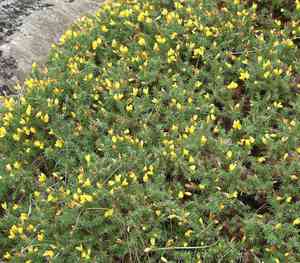
Welsh gorse's bright yellow flowers and evergreen nature make it visually appealing. Its presence can enhance the aesthetic value of natural landscapes, parks, and home gardens. It blooms profusely, adding vibrant color for extended periods.
Recreational Space Enhancement
The dense growth of Welsh gorse can create natural barriers and windbreaks, making outdoor spaces more enjoyable and functional. Its ability to thrive in various conditions allows its use in creating green spaces in urban areas, improving community well-being by providing more natural, green areas for recreation and relaxation.
What Role Does Welsh gorse Play in Climate Regulation?
Carbon Sequestration
Like other green plants, Welsh gorse contributes to carbon sequestration, helping mitigate climate change by absorbing atmospheric carbon dioxide. Its dense foliage and rapid growth capture significant CO2, making it valuable in combating global warming.
Microclimate Moderation
Welsh gorse can help moderate local microclimates. The shade from its dense growth can lower temperatures and reduce heat island effects, especially in urban areas. It also helps retain soil moisture, further contributing to a stable and moderate microclimate.



