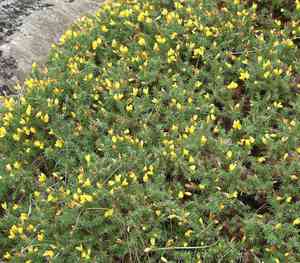
Welsh gorse (Ulex gallii)
Also known as: Dwarf furze, Irish gorse
This plant thrives in acidic heath soils and is often found in exposed coastal and mountainous regions. It is predominantly more widespread in the western areas. In eastern England, however, it is largely supplanted by the closely related Dwarf Furze (Ulex minor), with minimal overlap between the two species' habitats.
In This Article
Attributes of Welsh gorse
Lifespan
Perennial
Plant Type
Shrub
Plant Height
Up to 1.2 meters
Spread
Around 1 meter
Leaf Color
Green
Flower Size
1-2 centimeters
Flower Color
Yellow
Images of Welsh gorse
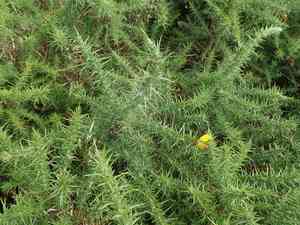
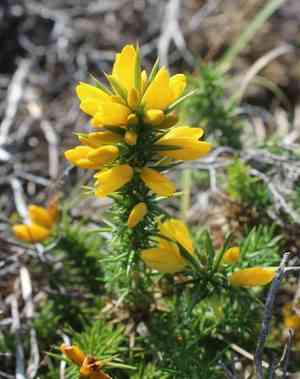
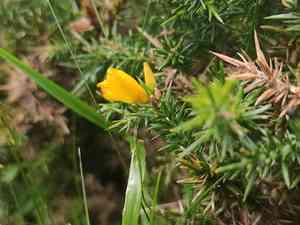
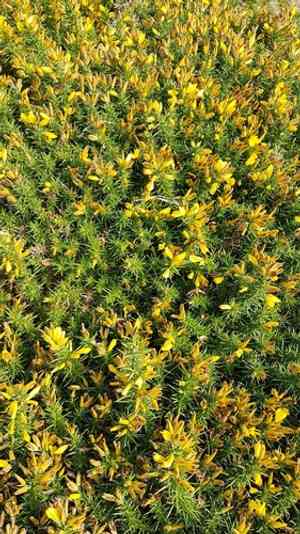
Quickly Identify Welsh gorse
1
This plant is recognized by its dense, spiny branches and bright yellow flowers. The leaves are reduced to spines, making it distinct from other gorse species. It blooms from late summer to early autumn.
Scientific Classification of Welsh gorse
Phylum
Vascular plants
Class
Dicotyledons
Order
Fabales
Family
Legume
Genus
Gorses
Species
Welsh gorse
Planting and Growing of Welsh gorse
Care Difficulty
Easy
Watering Schedule
Every 3 days
Sunlight Requirements
Full sun
Sunshine Duration
6-10 hours
Ideal Temperature
50-68℉
Soil Type
Potting Mix, Peat Mix
Soil pH
4.5-6.5
Fertilizer Type
Balanced
Pruning Season
Spring, Summer
Pruning Area
Branches, Leaves
Pruning Frequency
2 times a year
Repotting Season
Spring
Pot Type
Plastic, Ceramic
 How to Water Welsh gorse?
Ulex gallii, commonly known as the western gorse, is a hardy plant that thrives in well-draining soil. Each watering session should provide approximately 150 milliliters. Ensure the soil is moist but not waterlogged. Let the top layer dry out between watering to prevent root rot.
What are the symptoms of an underwatered Welsh gorse?
›
What should I do if my Welsh gorse is not getting enough water?
›
What are the symptoms of an overwatered Welsh gorse?
›
How to save an overwatered Welsh gorse?
›
 What Are the Sunlight Requirements for Welsh gorse?
Ulex gallii flourishes in full sun environments, benefiting from consistent direct sunlight exposure. Ideal light conditions promote healthy growth, enhance blooming, and support its ecological contributions, such as pollinator attraction.
Question 1: What is the ideal amount of light for Ulex gallii?
›
Question 2: What are effective solutions to achieve ideal lighting for Ulex gallii?
›
Question 3: What benefits does Ulex gallii gain from ideal lighting?
›
 What Is the Ideal Temperature Range for Welsh gorse?
Ulex gallii thrives best in a cool to mild temperature range between 50°F to 68°F. It is suited to temperate climates where the temperatures rarely go beyond this range, providing a stable environment for growth and flowering. Maintaining this ideal temperature range aids in proper nutrient uptake, optimal physiological processes, and overall plant health.
 What Soil is Best for Welsh gorse?
Ulex gallii thrives best in well-drained soil, which helps to prevent root rot and other water-related issues. This ensures the plant's roots can access necessary oxygen and grow healthily, supporting robust growth and vibrant flowering. This plant prefers low-fertility soils, reducing the need for nutrient-rich soil, which can actually inhibit its growth. It adapts to nutrient-poor environments by fixing nitrogen from the air, aiding its survival and growth. An acidic soil environment supports optimal nutrient absorption for Ulex gallii. The plant's adaptations allow it to thrive where other plants might struggle, due to its tolerance of lower nutrient availability in acidic conditions.
 How to Fertilize Welsh gorse?
For Ulex gallii, a modest approach to fertilization is recommended due to its natural efficiency in nutrient acquisition. A liquid fertilizer should be mixed at a quarter of the recommended strength to prevent over-fertilization. This ensures the plant receives sufficient nutrition without overwhelming its delicate system.
 How to Prune Welsh gorse?
Ulex gallii, commonly known as western gorse, is a hardy shrub with dense spiny branches. Before you begin pruning, familiarize yourself with its structure to effectively trim back the right areas and encourage healthy growth. Start by using a pair of sharp, clean pruning shears. Focus on cutting back the new growth to encourage a bushier form. Trim branches to about half their length, ensuring you cut just above a leaf node to promote new shoots. This helps maintain its shape and encourages flowering.
More About Pruning Techniques→
 How to Propagate Welsh gorse plant?
1
Gather seeds from matured Ulex gallii pods. Let them dry in a cool, dry space to avoid mold. Dried seeds can be stored in airtight containers until the planting season arrives.
2
Use a well-draining soil mix rich in nutrients to fill seed trays or pots. The right soil mix ensures the seeds receive adequate drainage and nutrients essential for germination and early growth.
3
In early spring, take semi-hardwood cuttings from healthy Ulex gallii. Ensure that cuttings are about 10 cm long and remove leaves from the lower part to promote root development.
 How to Repot Welsh gorse plant?
1
Look for signs like crowded roots, slow growth, or water not absorbing well. Repot in spring or autumn when the plant is less stressed and weather conditions are mild, allowing it to adjust better.
2
Select a pot that is just 1-2 inches larger than the current one to prevent overwatering issues. A terracotta pot can be beneficial as it allows for better air and moisture exchange, which is crucial for Ulex gallii.
3
Opt for a well-draining sandy soil, ideally a mix containing peat and sand. This mimics its natural environment and reduces the risk of root rot by allowing excess moisture to escape easily.
Toxicity
Ingestion
WARNING
The judgment on toxicity and danger is for reference only. We DO NOT GUARANTEE any accuracy of such judgment. Therefore, you SHALL NOT rely on such judgment. It is IMPORTANT TO SEEK PROFESSIONAL ADVICE in advance when necessary.
Learn More About Welsh gorse Diseases
Anthracnose
Bacterial Leaf Spot
Crown Gall
Cyst Nematode
Damping-off
Downy Mildew
Drought Stress
Fusarium Wilt
Gray Mold
Leaf Spot
Mosaic
Nutrient Deficiency
Nutrient Toxicity
Powdery Mildew
Root Rot
Root-knot Nematode
Rusts
Sooty Mold
Spider Mites
Temperature Stress
Thrips Damage
White Mold
Chemical Injury



