How to Transplant Divaricate typhonium?
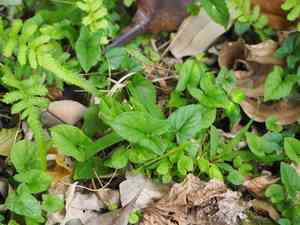
The optimal period for relocating divaricate typhonium spans from the beginning of spring to the threshold of summer, leveraging temperate conditions for root development. Provide a shaded, damp environment and exercise caution to safeguard its fragile root structure.
What Preparations are Needed Before Transplanting Divaricate Typhonium?
What is the Ideal Time for Transplanting Divaricate Typhonium?
The best time to move divaricate typhonium is during the revitalizing period from early spring to the start of summer. Relocating it then takes advantage of mild temperatures and its active growth phase, boosting divaricate typhonium's chances of successful establishment. This timing ensures divaricate typhonium develops strong root systems as the growing season peaks, allowing it to thrive in its new spot. Cultivating divaricate typhonium during this season provides it with the full benefit of spring's nurturing conditions and summer's vigorous growth.
How Much Space Should You Leave Between Divaricate Typhonium Plants?
When preparing to rehome divaricate typhonium, remember to position them 12-18 inches (30-45 cm) apart. This spacing provides each plant with adequate room to expand.
What is the Best Soil Mix for Divaricate Typhonium Transplanting?
The perfect medium for divaricate typhonium is fertile, well-draining soil. Before transplanting, incorporate some compost or a balanced slow-release fertilizer to give your divaricate typhonium a good start.
Where Should You Relocate Your Divaricate Typhonium?
Choose a location for your divaricate typhonium that receives full sun to partial shade. They enjoy warmth but also benefit from some protection from intense midday sun.
What Equipments Should You Prepare Before Transplantation Divaricate Typhonium?
Gardening Gloves
To safeguard your hands while handling soil and plants.
Shovel or Garden Spade
For excavating the divaricate typhonium from its current site.
Garden Fork
To assist in loosening the soil around the plant's root system.
Watering Can or Hose
To hydrate the divaricate typhonium prior to and following transplantation.
Wheelbarrow or Plant Dolly
For transporting the divaricate typhonium and soil, especially if the plant is large.
Pruning Shears
To trim any damaged or excessively long roots.
Transplanting Trowel
For smaller divaricate typhonium specimens or accessing confined areas.
How Do You Remove Divaricate Typhonium from the Soil?
How Do You Remove Divaricate Typhonium from the Soil?
From Ground: Start by watering the divaricate typhonium to moisten the soil. Use a shovel or garden spade to dig a wide circle around the plant, ensuring you dig deep enough to encompass the entire root ball. Gently work the shovel beneath the root ball and lift it from the ground.From Pot: Water the divaricate typhonium thoroughly, allowing the water to drain completely. Turn the pot on its side, and gently tap the edges to loosen the root ball. Carefully slide the plant out of the pot, supporting the base of the stem with your hand.From Seedling Tray: Dampen the soil in the tray to facilitate seedling removal. Use a transplanting trowel to carefully dig out each seedling, taking care not to harm the delicate roots or stem. Lift the seedling by its leaves, never by the stem, as this can cause irreparable damage.
Step-by-Step Guide for Transplanting Divaricate Typhonium
Prep Work
Water the divaricate typhonium thoroughly before transplanting to help minimize transplant shock.
Digging the Hole
Excavate a hole in the ground that is twice the width of the root ball and equally deep. This provides ample room for root expansion.
Root Preparation
Examine the root ball for any indications of disease or damage. Trim off any compromised roots with pruning shears. If the plant is root-bound, gently separate the roots to encourage outward growth.
Placing the Plant
Position the divaricate typhonium into the hole, ensuring it sits at the same depth it was previously growing. The top of the root ball should be level with the surrounding soil.
Refilling the Hole
Backfill the hole with soil, firming it around the root ball to eliminate air pockets. Water the divaricate typhonium gently to settle the soil.
Stabilizing
If the divaricate typhonium is large or top-heavy, it might require staking. Insert stakes into the ground and use soft ties to support the plant without harming the stem.
How Do You Care For Divaricate Typhonium After Transplanting?
Watering
Ensure the soil remains consistently moist around the divaricate typhonium for the initial weeks post-transplant to aid in new root establishment.
Mulching
Apply a layer of mulch around the base of the divaricate typhonium to retain moisture and regulate soil temperature.
Pruning
Remove any broken or damaged leaves and stems to help the divaricate typhonium direct its energy towards establishing new roots.
Monitoring
Observe the divaricate typhonium for signs of stress such as wilting or discolored leaves and address any issues promptly.
Troubleshooting Common Issues with Divaricate Typhonium Transplantation.
What's the best time to transplant divaricate typhonium?
Relocate divaricate typhonium in early spring, after the last frost, or in autumn for optimal root development.
How far apart should I space divaricate typhonium when transplanting?
Space divaricate typhonium 12-18 inches (30-45 cm) apart to allow for growth and sufficient air circulation.
How deep should the hole be for transplanting divaricate typhonium?
The hole should be as deep as the root ball but twice as wide to encourage spreading.
Should I water divaricate typhonium immediately after transplanting?
Yes, water divaricate typhonium thoroughly after transplanting to help settle the soil and remove air pockets.
Can divaricate typhonium be transplanted on a hot, sunny day?
It's best to transplant divaricate typhonium on an overcast day or in the late afternoon to minimize stress.
What soil type is ideal for transplanting divaricate typhonium?
Plant divaricate typhonium in well-draining soil rich in organic matter for optimal growth.
How do I prepare divaricate typhonium's roots for transplanting?
Gently untangle divaricate typhonium's roots to encourage outward growth and prevent girdling.
How do I protect divaricate typhonium from transplant shock?
Minimize root disturbance, water well, and provide shade for the first few days after transplanting.
Why are my transplanted divaricate typhonium plants wilting?
Wilting could be due to transplant shock, insufficient water, or root damage. Ensure proper care.
Can I use fertilizer when transplanting divaricate typhonium?
Wait a few weeks before fertilizing divaricate typhonium to prevent burning the new roots; allow them to establish first.



