The Hidden Danger in Your Home? Unmasking the Toxicity of the Divaricate typhonium Plant.
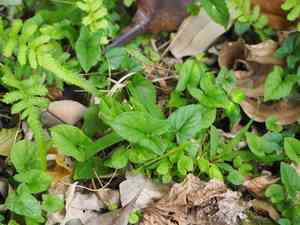
1
Divaricate typhonium possesses calcium oxalate, a substance that makes it poisonous, leading to irritation in the mouth and throat if consumed.
2
Every part of divaricate typhonium is poisonous, presenting dangers to people, canines, and felines if consumed by mistake.
3
Signs of consuming divaricate typhonium involve severe burning, puffiness, and digestive upset, necessitating prompt veterinary or medical attention.
Is Divaricate typhonium toxic to humans?
Divaricate typhonium exhibits a low level of toxicity to humans, mainly through consumption. The plant's entirety contains calcium oxalate, which is responsible for its poisonous properties. When any portion of divaricate typhonium is eaten, the calcium oxalate can trigger various symptoms. People might experience severe irritation in the mouth and throat, along with a burning feeling. Swelling of the tongue, lips, and roof of the mouth may occur, possibly hindering speech or swallowing. Occasionally, digestive upset follows, appearing as nausea, vomiting, and diarrhea. It is essential for individuals to understand the potential dangers linked to accidental ingestion of divaricate typhonium, given that all parts of the plant are harmful.
Is Divaricate typhonium toxic to cat?
Divaricate typhonium poses a slight toxic risk to felines if consumed unintentionally. The whole plant contains calcium oxalate, which can lead to poisoning. Contact with divaricate typhonium suggests cats might display signs of physical discomfort. If a cat eats divaricate typhonium, it is crucial to obtain prompt veterinary attention to safeguard their health and lessen any negative effects from the poisoning.
Is Divaricate typhonium toxic to dog?
The plant divaricate typhonium is thought to possess a mild degree of toxicity for canines. Dogs can suffer poisoning if they ingest any part of the plant, as the entire divaricate typhonium is harmful. When consumed by accident, which is the most frequent way poisoning occurs, dogs might show symptoms that owners should recognize. These signs could involve digestive upset, excessive salivation, throwing up, and trouble swallowing due to irritation in the mouth and throat. The calcium oxalate found in divaricate typhonium contributes to these negative responses. If a dog displays indications of poisoning after consuming divaricate typhonium, it is vital for pet owners to get immediate veterinary assistance for appropriate treatment and recuperation.



