How to Propagate Divaricate typhonium?
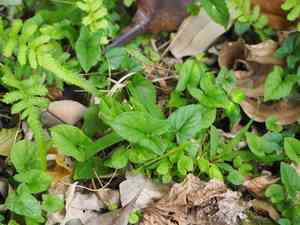
Typhonium divaricate, a perennial tropical plant, flourishes in environments characterized by warmth and high humidity. Its propagation is efficiently achieved by planting its seeds in rich, well-draining substrate. Supply the seeds with sufficient hydration and ensure the soil remains uniformly moist. Initially, provide the nascent plants with dappled light, as they may be vulnerable to strong, direct solar exposure. As the young plants mature, progressively introduce them to their permanent growing conditions. The cornerstone of successful propagation lies in sustaining an equilibrium between soil dampness and proper air circulation to avert decay.
Optimal Period for Divaricate Typhonium Propagation
Propagation Method
Seeding
Propagation Period
Spring
Tools Utilized in Divaricate Typhonium Propagation
Seed trays
Seed trays are vital for planting divaricate typhonium seeds. They offer a controlled setting that helps maintain consistent moisture and temperature, both crucial for successful seed germination. The individual sections in seed trays aid in organizing seeds and allow for easy transplanting without disturbing young roots during early growth.
Fine-textured potting mix
A fine-textured potting mix is essential for propagating divaricate typhonium from seed. This type of medium ensures good air circulation and drainage, preventing waterlogging that could lead to seed rot. Its fine consistency promotes easier root penetration and growth, supporting delicate seedlings as they develop.
Misting bottle
A misting bottle is employed to gently hydrate divaricate typhonium seeds without dislodging them. It delivers a fine spray that adequately moistens the soil without causing erosion or exposing the seeds. Regular misting helps maintain humidity around the seedlings, which is crucial for their health and development in the initial stages.
Heat mat
A heat mat facilitates successful germination of divaricate typhonium by sustaining a steady soil temperature, particularly in cooler climates or seasons. By providing a constant heat source, the mat keeps the soil within the ideal temperature range for divaricate typhonium seed germination, thereby increasing the likelihood of successful plant growth.
Label and marker
Labels and markers are practical instruments for identifying and tracking divaricate typhonium. They assist in monitoring growth progress and specific care requirements for different seed batches. Proper labeling ensures accurate management of cultivation records and helps track germination rates and growth patterns.
Caring for Your Newly Propagated Divaricate Typhonium
Caring for Your Newly Propagated Divaricate Typhonium
Post-propagation, ensure divaricate typhonium seedlings receive bright, indirect light. They thrive in high humidity and well-draining soil, so it's important to monitor moisture levels and prevent the soil from completely drying out. Fertilize seedlings with a balanced, water-soluble fertilizer at half strength every 4-6 weeks during active growth. As they mature, repot into larger containers only when necessary, typically every couple of years, to minimize root disturbance and stress.
Common Errors to Avoid When Propagating Divaricate Typhonium
Incorrect cutting selection
Cuttings taken from unhealthy or weak parts of divaricate typhonium may result in poor root development or propagation failure. Choosing feeble or diseased material can lead to unsuccessful propagation.
Excessive watering of cuttings
Too much water can cause divaricate typhonium cuttings to rot before they can establish roots. Over-moisture creates an environment favorable for fungal growth, leading to decay.
Using unsterilized tools
Propagation necessitates sterile equipment. Introducing pathogens via contaminated tools can lead to infection and poor health of divaricate typhonium cuttings.
Insufficient light
Both too much and too little light can harm divaricate typhonium cuttings. The correct balance is vital for successful root development and overall plant vitality.
Neglecting humidity needs
Divaricate typhonium may require a specific humidity level for successful rooting. Ignoring these requirements can hinder root establishment and growth.
Advice for Propagating Divaricate Typhonium
Selection of healthy parent plant
Choose robust and disease-free divaricate typhonium specimens for taking cuttings. This enhances the likelihood of successful propagation.
Moderate watering
Maintain balanced soil moisture to encourage root growth without causing rot. Water just enough to keep the soil moist, not saturated.
Sterilize equipment
Always use clean and sterilized tools when taking divaricate typhonium cuttings. This prevents the spread of diseases among plants.
Optimal lighting
Provide divaricate typhonium cuttings with adequate but indirect light to promote rooting. Direct sun can be too harsh, while low light can weaken the cuttings.
Maintain humidity
Utilize a humidity dome or plastic bag to retain moisture around divaricate typhonium cuttings. This creates a favorable micro-environment for root development.



