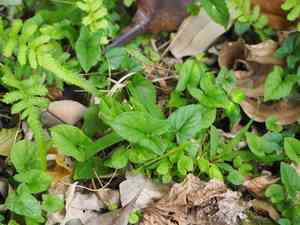
Divaricate typhonium (Typhonium blumei)
Also known as: Blume's Typhonium, Voodoo Lily
Typhonium blumei, also known as the voodoo lily, is native to Southeast Asia, encompassing regions such as China, India, Indonesia, and Malaysia. This plant features unique, heart-shaped or arrowhead-like leaves. It is adaptable to various environments and often found in shaded, moist areas like forest understories and near streams. While it is not particularly striking, the voodoo lily can occasionally be grown as an ornamental plant.
Attributes of Divaricate typhonium
Images of Divaricate typhonium
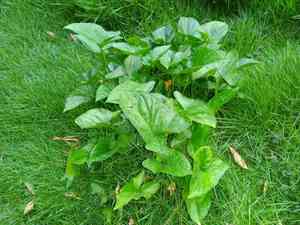
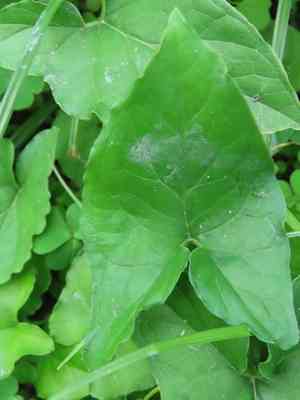
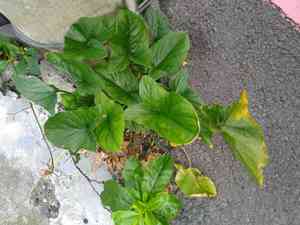
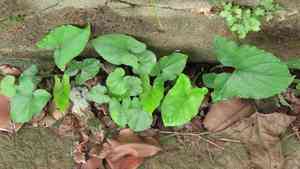
Quickly Identify Divaricate typhonium
Scientific Classification of Divaricate typhonium
Planting and Growing of Divaricate typhonium
 How to Water Divaricate typhonium?
 What Are the Sunlight Requirements for Divaricate typhonium?
 What Is the Ideal Temperature Range for Divaricate typhonium?
 What Soil is Best for Divaricate typhonium?
 How to Fertilize Divaricate typhonium?
 How to Prune Divaricate typhonium?
 How to Propagate Divaricate typhonium plant?
 How to Repot Divaricate typhonium plant?
Toxicity of Divaricate typhonium
Is Divaricate typhonium toxic to humans?
Divaricate typhonium exhibits a low level of toxicity to humans, primarily resulting from ingestion. The entire plant contains calcium oxalate, which is responsible for its toxic properties. Consuming any part of divaricate typhonium can lead to various symptoms. Individuals may suffer from severe irritation in the mouth and throat, often accompanied by a burning sensation. Swelling of the tongue, lips, and palate may occur, which can result in difficulties with speaking or swallowing. In certain instances, gastrointestinal discomfort may ensue, presenting as nausea, vomiting, and diarrhea. It is vital for individuals to recognize the possible dangers linked to accidental ingestion of divaricate typhonium, as all parts of the plant are toxic.
Is Divaricate typhonium toxic to cat?
Divaricate typhonium poses a mild toxicity risk to cats if ingested inadvertently. The whole plant is composed of calcium oxalate, which may lead to poisoning. When exposed to divaricate typhonium, cats might exhibit signs of physical discomfort. If a cat ingests divaricate typhonium, it is crucial to obtain prompt veterinary assistance to safeguard their health and to minimize any negative consequences resulting from the poisoning.
Is Divaricate typhonium toxic to dog?
The plant species known as divaricate typhonium is recognized for its mild toxicity towards dogs. Consumption of any part of this plant can lead to poisoning in dogs, as the entire divaricate typhonium is toxic. Accidental ingestion, which is the most typical cause of poisoning, can lead to a variety of symptoms that owners should be vigilant about. These symptoms may encompass gastrointestinal disturbances, excessive drooling, vomiting, and difficulty in swallowing due to irritation in the mouth and throat. The presence of calcium oxalate within divaricate typhonium plays a significant role in causing these negative reactions. If a dog displays signs of poisoning after consuming divaricate typhonium, it is crucial for pet owners to obtain immediate veterinary assistance to ensure appropriate treatment and recovery.



