How to Transplant Wild japanese pepper?
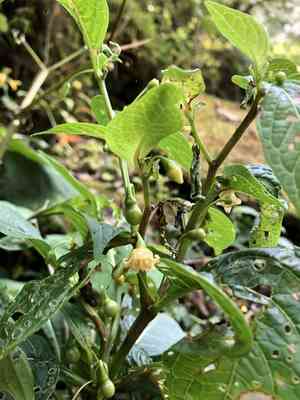
For wild Japanese pepper, the most favorable time for transplanting is during periods of warmth and consistency, generally from the peak of late spring through the beginning of early summer. Select a bright spot with soil that drains effectively. Provide consistent hydration to facilitate its adjustment.
Preparations Required Before Relocating Wild Japanese Pepper
Optimal Period for Transplanting Wild Japanese Pepper?
The ideal time to re-establish wild japanese pepper in your garden is during the transition to warmer weather, typically from late spring through early summer. This timeframe offers a gentle adjustment for wild japanese pepper, with moderate temperatures and consistent daylight that helps alleviate the stress of relocation. During this period, the soil has sufficiently warmed to promote root development, yet the danger of intense summer heat remains low. Moving wild japanese pepper within this window allows its roots to become established under favorable conditions, ensuring a vigorous start to its growth cycle.
Recommended Spacing Between Wild Japanese Pepper Plants?
Allow your wild japanese pepper ample room to flourish! Aim to position them approximately 15-18 inches (38-45 cm) apart. This spacing will provide each plant sufficient area for growth and nutrient absorption without competing with neighboring plants.
Best Soil Blend for Wild Japanese Pepper Transplanting?
Your wild japanese pepper will thrive in a well-draining soil environment! Enhance your garden bed with a mixture of compost and a balanced, slow-release fertilizer to nourish the plants. A slightly acidic to neutral pH level is optimal for wild japanese pepper.
Where to Replant Your Wild Japanese Pepper?
Select a sunny location for your wild japanese pepper, where it can receive full sunlight for at least 6-8 hours daily. They will grow best with abundant light, so a bright and airy spot would be an excellent new home for them.
Equipment Needed Before Relocating Wild Japanese Pepper
Gardening Gloves
To safeguard your hands while handling soil and plants.
Shovel or Spade
For excavating the plant and preparing a new planting site.
Garden Trowel
Useful for smaller or more precise digging tasks.
Watering Can or Hose
To hydrate the plant before and after its relocation.
Burlap or Tarp
To transport the root ball and maintain root moisture.
Pruning Shears
For trimming any dead or excessive plant parts prior to transplanting.
Stakes or Plant Supports
To provide stability to wild japanese pepper if needed post-transplant.
How to Extract Wild Japanese Pepper from the Ground?
How to Extract Wild Japanese Pepper from the Ground?
From Ground: First, water wild japanese pepper to moisten the soil. Then, dig a wide trench around wild japanese pepper using a shovel or spade, ensuring the root ball remains intact. Carefully work the spade beneath the root ball to lift wild japanese pepper from its original spot. From Pot: Begin by watering wild japanese pepper to saturate the root ball within the pot. Tilt the pot sideways and gently tap or stroke its sides and bottom to loosen the root ball. Then, carefully ease wild japanese pepper out of the pot, preserving the soil around its roots. From Seedling Tray: Water the seedlings before beginning. Use a garden trowel or a small hand tool to gently loosen the soil around wild japanese pepper. Lift wild japanese pepper from the tray, ensuring to retain as much soil around the roots as possible for support.
Step-by-Step Guide for Relocating Wild Japanese Pepper
Prepare New Site
Prepare the new location for wild japanese pepper by digging a hole slightly larger than its root ball. Remove any debris like rocks or roots from the hole and break up large soil clumps to ensure good root contact.
Carefully Extract Plant
Using the appropriate method based on its original location, extract wild japanese pepper with care to minimize stress and root damage.
Transportation
Place wild japanese pepper's root ball on burlap or a tarp for transport to the new site. Keep the roots covered and moist to prevent them from drying out.
Placement in New Hole
Position wild japanese pepper in the center of the new hole. Ensure the plant sits at the same depth as it was in its previous location; the transition should be as smooth as possible for the plant.
Backfill Soil
Carefully backfill the hole with soil around wild japanese pepper, gently patting down the soil to eliminate air pockets. Avoid compacting the soil too firmly, which can impede root growth.
Support Plant
If wild japanese pepper requires support, insert stakes into the ground at this stage and gently tie the plant to them, ensuring not to harm the stems or branches.
Post-Transplant Care for Wild Japanese Pepper
Initial Watering
Immediately after transplanting, thoroughly water wild japanese pepper to settle the soil around its roots and aid in shock recovery.
Mulching
Apply mulch around the base of wild japanese pepper to retain soil moisture and maintain consistent soil temperatures.
Monitoring
Observe wild japanese pepper for signs of transplant shock, such as wilting or yellowing leaves. Provide additional water or shade as needed to assist its recovery.
Supporting Growth
If wild japanese pepper appears unstable or is in a windy area, use plant supports to help it establish. Adjust the supports as the plant grows and strengthens.
Addressing Common Issues with Wild Japanese Pepper Relocation.
When is the best time of year to move wild japanese pepper?
Relocate wild japanese pepper during the sweet spot between late spring and early summer for optimal root establishment.
What spacing should I use for wild japanese pepper seedlings?
Wild japanese pepper thrives with ample room for growth. Aim for spacing them 15-18 inches (38-45 cm) apart.
Why is my wild japanese pepper struggling after being moved?
Ensure roots weren't damaged during relocation, and the soil is well-draining with adequate sunlight.
How do I prepare the soil before moving wild japanese pepper?
Your wild japanese pepper desires a comfortable, nutrient-rich bed. Enrich the soil with compost and ensure good drainage.
How deep should wild japanese pepper roots be planted?
Plant wild japanese pepper's roots at the same depth they were growing before relocation. Avoid planting too deeply.
How do I know if wild japanese pepper needs water after being moved?
When the top inch (2.5 cm) feels dry, it's time to gently but thoroughly quench your wild japanese pepper's thirst.
Should I fertilize wild japanese pepper immediately after moving?
Wait! Allow wild japanese pepper to settle into its new home for 4-6 weeks before introducing fertilizer.
How much sunlight does wild japanese pepper require after relocation?
Provide a balance of partial shade and sun to protect wild japanese pepper while it adjusts to its new environment.
Can I move wild japanese pepper during a heatwave?
Avoid stressing wild japanese pepper due to extreme heat. Choose a mild day or wait for cooler weather.
How can I protect wild japanese pepper after being moved?
Shield wild japanese pepper from shock by mulching and protecting it from strong winds while its roots take hold.



