How to Prune Wild japanese pepper?
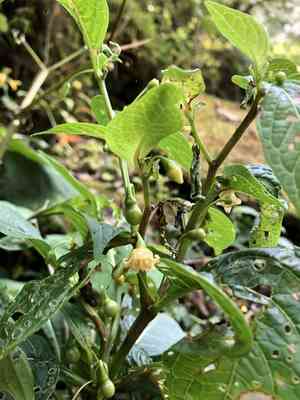
This compact, decorative bush, featuring drooping yellow fruit, necessitates meticulous trimming to preserve its form and stimulate robust development. For wild japanese pepper, the most effective time for pruning is in late winter or early spring, prior to the emergence of new shoots. The pruning process entails reducing densely packed branches and eliminating any deceased or compromised wood to improve air movement and light exposure. This upkeep not only fosters more vibrant leaves and greater fruit yield but also aids in averting the dissemination of illnesses throughout the plant.
Advantages of Trimming Wild Japanese Pepper
Advantages of Trimming Wild Japanese Pepper
Trimming wild japanese pepper promotes robust new development and maintains its desired form. It aids in eliminating dead or overgrown branches, enhancing air circulation and sunlight penetration, crucial for the plant's well-being and strength.
Optimal Period for Pruning Wild Japanese Pepper
Optimal Period for Pruning Wild Japanese Pepper
Pruning or trimming wild japanese pepper in late winter or early spring is advised, as these seasons precede the plant's active growth phase. This timing allows wild japanese pepper to recover swiftly from pruning and supports vigorous growth as temperatures rise. Pruning before new growth begins ensures that energy reserves in the roots are efficiently used to heal cuts and produce fresh foliage. Additionally, pruning during dormancy minimizes the risk of disease and pest infestations, which are less active in colder weather. Late winter pruning helps maintain wild japanese pepper's shape and size, fostering a healthier, more attractive plant. Early spring pruning, just before the growing season, enables the gardener to remove any dead or damaged wood from winter, ensuring wild japanese pepper has a strong framework for the year's growth. It also prevents the removal of developing buds that will produce flowers or fruits in subsequent seasons.
Required Tools for Pruning Wild Japanese Pepper
Hand Pruners
Wild japanese pepper is a small plant, and hand pruners offer precision for removing dead or damaged foliage without causing undue harm to the plant's structure.
Pruning Shears
Wild japanese pepper has delicate stems that benefit from the clean cuts provided by sharp pruning shears, minimizing damage and stress on the plant.
Gloves
When handling wild japanese pepper, wearing gloves can protect the gardener from potential skin irritation and provide a better grip on pruning tools.
How to Prune Wild Japanese Pepper
Sanitize tools
Before trimming wild japanese pepper, sterilize all pruning tools by wiping them with alcohol or a bleach solution to prevent disease spread.
Identify
Inspect wild japanese pepper for diseased and withered leaves. Look for discoloration, spots, or signs of wilting that distinguish unhealthy foliage from healthy growth.
Remove diseased leaves
Carefully trim off diseased leaves at their base, ensuring clean cuts to promote quick healing. Dispose of these leaves immediately to prevent contamination.
Trim withered leaves
Cut away withered leaves at their base as well, but do so gently to avoid damaging any nearby healthy foliage or stems.
Clean up
After pruning wild japanese pepper, clean up all removed plant material from the surrounding area to reduce the risk of pest infestation and fungal diseases.
Common Pruning Errors with Wild Japanese Pepper
Overpruning
Removing too much foliage from wild japanese pepper at once can weaken the plant and reduce its vigor. This can leave the plant susceptible to pests and diseases.
Not using clean tools
Pruning wild japanese pepper with dirty or contaminated tools can spread diseases. Always clean and disinfect pruning tools before use.
Pruning indiscriminately
Cutting wild japanese pepper without a clear purpose or plan can result in uneven growth or accidental removal of healthy growth points, which are important for future flowering.
Ignoring plant shape
Failing to consider the natural shape of wild japanese pepper when pruning can lead to a less aesthetically pleasing plant and may also impact its overall health.
Neglecting tool maintenance
Dull tools can cause jagged cuts that are more prone to infection. Sharp and well-maintained tools make clean cuts that heal faster.
General Pruning Advice for Wild Japanese Pepper
Assess before cutting
Observe the overall health and structure of wild japanese pepper before making any cuts. Identify dead, diseased, or weak stems that require removal.
Prune for airflow
Thin out dense areas of wild japanese pepper to improve air circulation. This helps prevent fungal diseases by allowing foliage to dry more quickly after rain or dew.
Encourage branching
Prune just above a leaf node to encourage wild japanese pepper to branch out. More branches can lead to increased foliage and a fuller, more attractive plant.
Focus on damaged areas
Prioritize removing any damaged or diseased portions of wild japanese pepper to prevent the spread of issues and promote healthier growth.
Clean cuts
Make precise cuts at a 45-degree angle to avoid damaging wild japanese pepper. This angle promotes healing and prevents water from accumulating on the cut surface, which can lead to rot.



