How Much Sunlight Do Wild japanese pepper Need?
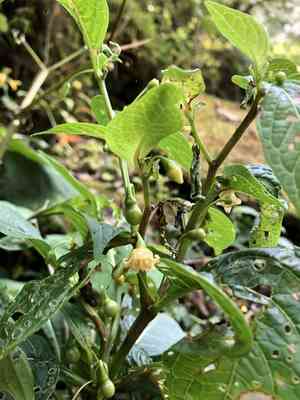
1
Wild Japanese pepper flourishes optimally in abundant sunlight, requiring more than six hours of direct sun each day.
2
This species can endure partial sun, indicating its survival in locations receiving under six hours of direct solar exposure.
3
Employing a light measuring device can assist in tracking and guaranteeing your Wild Japanese pepper gets sufficient sunlight year-round.
Grasping the Illumination Needs of Wild japanese pepper
Ideal Solar Conditions
For peak development, the Wild japanese pepper needs full sun exposure, meaning over 6 hours of direct sunlight daily. This light level ensures the plant produces vibrant foliage and healthy fruit. Placing it where it can absorb maximum sunlight will foster robust growth and overall well-being.
Impacts of Insufficient Light
When Wild japanese pepper lacks adequate light, it may show several negative signs, such as stunted development, pale leaves, and a lack of blooms or fruit. Insufficient light hinders the plant's ability to photosynthesize effectively, leading to poor health and increased disease susceptibility. Providing ample sunlight is vital for its vigor.
Optimal Indoor Placement for Wild japanese pepper
Selecting the Correct Window
Indoors, a south-facing window is perfect for your Wild japanese pepper as it typically receives the most consistent sunlight throughout the day. West or east-facing windows can also work but might offer less overall light, requiring adjustments to ensure the plant gets the necessary sunlight for prime growth.
Employing Supplemental Lighting
When natural light is scarce, especially during shorter winter days, supplementing with grow lights can be very beneficial. LED grow lights are energy-efficient and can supply the required light spectrum for Wild japanese pepper. Position them about 30-45 cm (12-18 inches) above the plant and keep them on for approximately 12-16 hours daily to mimic natural sunlight.
Outdoor Cultivation Advice for Wild japanese pepper
Perfect Garden Spot
Outdoors, choose a garden location that gets full sun for most of the day. An area receiving at least 6-8 hours of direct sunlight will be most advantageous. Avoid placing the plant in shaded areas as it may not thrive in low-light conditions.
Seasonal Sunlight Fluctuations
Be mindful of seasonal shifts, as the sun's angle and duration can change throughout the year. In winter, the sun is lower, and days are shorter, so ensure your Wild japanese pepper is in the best possible spot for sun exposure during these times. Consider using reflective materials like garden mirrors to direct more light to the plant if needed.
Common Sunlight Issues and Remedies for Wild japanese pepper
Addressing Sunburn
Although Wild japanese pepper loves the sun, too much intense, unfiltered sunlight, particularly in very hot climates, can cause leaf sunburn. If you notice scorched or brown patches, it might be overwhelmed by heat. Moving the plant to an area with some afternoon shade or using a shade cloth during peak sun hours can offer protection.
Correcting Stretched Growth
Stretched growth is a frequent problem with inadequate light, where the plant elongates towards the light source, resulting in long, weak stems. To counteract this, ensure the plant receives enough sunlight and rotate it occasionally to encourage balanced growth. Regular trimming can also help manage stretched growth by promoting a bushier plant structure.
Monitoring Light Levels for Peak Growth
Utilizing a Light Meter
A light meter is a valuable tool for measuring the light intensity your Wild japanese pepper receives. By using this device, you can monitor light levels in various parts of your home or garden and ensure your plant is in the optimal location. Aim for readings that meet full sun requirements, typically 10,000 lumens or more.
Adjusting Light Exposure Throughout the Year
As seasons change, so do light conditions. Be flexible by relocating your Wild japanese pepper if necessary, or modify the duration and intensity of artificial lighting to compensate for reduced natural sunlight in winter. This adaptability will help the plant maintain consistent health and growth year-round.



