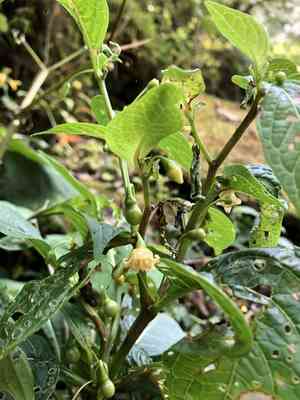
Wild japanese pepper (Tubocapsicum anomalum)
Also known as: Chinese Wintergreen, False Bryony, Cuban Juju Plant
"Anomalum" means unusual, and it aptly describes this pepper plant, that can grow up to 1.2 m tall. The wild japanese pepper produces tiny round peppers that ripen into a brilliant red color fall, making it even harder to forget the plant.
In This Article
Attributes of Wild japanese pepper
Lifespan
Perennial
Plant Type
Herb
Plant Height
1.2 m
Spread
15-25 cm
Leaf Color
Green Blue
Flower Size
1 cm
Flower Color
White Yellow Green
Images of Wild japanese pepper
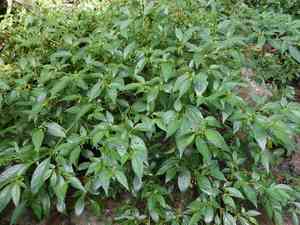
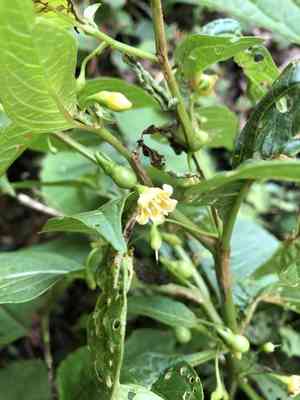
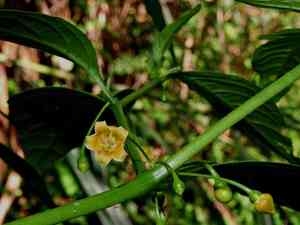
Quickly Identify Wild japanese pepper
1
Tubocapsicum anomalum can be identified by its oblong to lanceolate leaves, small white flowers, and bright red berries. The plant is often low-growing, with slender stems and a creeping habit.
Scientific Classification of Wild japanese pepper
Phylum
Vascular plants
Class
Dicotyledons
Order
Solanales
Family
Nightshade
Genus
Tubocapsicum
Species
Wild japanese pepper
Planting and Growing of Wild japanese pepper
Care Difficulty
Easy
Watering Schedule
Every 2 days
Sunlight Requirements
Partial sun
Sunshine Duration
6-10 hours
Ideal Temperature
60-75℉
Soil Type
Potting Mix, Peat Mix
Soil pH
6.5-7.5
Fertilizer Type
Balanced
Pruning Season
Spring, Summer
Pruning Area
Branches, Leaves
Pruning Frequency
2 times a year
Repotting Season
Spring
Pot Type
Plastic, Ceramic
 How to Water Wild japanese pepper?
Tubocapsicum anomalum prefers a consistent watering schedule, using approximately 200 milliliters each time. It's best to keep the soil lightly moist, ensuring even distribution to avoid pooling. Aim to saturate the top inch of soil, allowing excess water to drain to prevent waterlogging.
What are the symptoms of an underwatered Wild japanese pepper?
›
What should I do if my Wild japanese pepper is not getting enough water?
›
What are the symptoms of an overwatered Wild japanese pepper?
›
How to save an overwatered Wild japanese pepper?
›
 What Are the Sunlight Requirements for Wild japanese pepper?
The plant benefits from a light condition range of partial sun to full shade. This balance allows Tubocapsicum anomalum to grow healthily without the risk of leaf burn or stunted growth.
More About Sunlight Requirements Techniques→
What is the ideal lighting for Tubocapsicum anomalum?
›
How can you ensure Tubocapsicum anomalum gets optimal light?
›
What are the benefits of correct lighting for Tubocapsicum anomalum?
›
 What Is the Ideal Temperature Range for Wild japanese pepper?
Tubocapsicum anomalum thrives best within the temperature range of 60°F to 75°F. This temperature range is ideal because it closely mimics the environment found in its natural habitat. Within these temperatures, the plant can effectively perform photosynthesis and nutrient uptake, leading to healthy growth and flowering.
 What Soil is Best for Wild japanese pepper?
Tubocapsicum anomalum thrives in well-drained soil, which prevents root rot by ensuring water doesn't accumulate around the roots. This is crucial for maintaining healthy and robust growth, especially during the rainy season. This plant benefits from a nutrient-rich soil containing organic matter that supplies essential nutrients. Such conditions promote vigorous growth and enhance the plant's overall health and resistance to pests. Moderate moisture levels are ideal for this plant, as they help maintain proper hydration without drowning the roots. This balance supports healthy foliage and promotes bright, vibrant fruiting.
 How to Fertilize Wild japanese pepper?
For Tubocapsicum anomalum, it's best to use fertilizers with a balanced N-P-K ratio, such as 10-10-10. When applying liquid fertilizers, ensure that the solution is diluted to half the recommended strength to prevent root burn.
 How to Prune Wild japanese pepper?
Begin by examining the plant structure and decide on the shape you want to maintain. Carefully trim around the edges to encourage bushier growth, always following the natural shape. Prune cluttered interior branches to improve light penetration and airflow. This prevents fungal issues and pests, promoting healthier growth and a more vibrant plant. Despite its resilience, Tubocapsicum anomalum responds well to pruning during the growing seasons. Keeping up with regular trimming during spring and summer helps manage its size and spread.
More About Pruning Techniques→
 How to Propagate Wild japanese pepper plant?
1
Collect ripe seeds from mature Tubocapsicum anomalum plants. Ensure that the seeds are fully developed and have dried naturally on the plant for the best germination results.
2
Select healthy, non-flowering stems for cuttings and trim them to about 4-6 inches. Remove any leaves on the lower half to reduce moisture loss and enhance rooting.
3
After planting seeds or cuttings in suitable media, water gently to settle the soil. Ensure good drainage to prevent waterlogging, which can hinder root development.
 How to Repot Wild japanese pepper plant?
1
Tubocapsicum anomalum needs repotting when you notice roots starting to grow through the drainage holes of its current pot, or the growth appears stunted even during its active growing season. This indicates the plant has outgrown its pot and needs more space to thrive.
2
Select a container that is about 1-2 inches larger in diameter than the current one. Ensure there are sufficient drainage holes to help excess water escape, preventing root rot. A well-sized pot supports healthy root expansion and promotes better nutrient uptake.
3
Opt for a well-draining loamy soil mix that retains some moisture but drains excess water efficiently. This type of soil will provide the necessary nutrients, prevent waterlogging, and ensure optimal root aeration, which is crucial for the plant's healthy growth.
Toxicity
Ingestion
WARNING
The judgment on toxicity and danger is for reference only. We DO NOT GUARANTEE any accuracy of such judgment. Therefore, you SHALL NOT rely on such judgment. It is IMPORTANT TO SEEK PROFESSIONAL ADVICE in advance when necessary.
Learn More About Wild japanese pepper Diseases
Anthracnose
Bacterial Leaf Spot
Bacterial Soft Rot
Bacterial Wilt
Crown Gall
Cyst Nematode
Damping-off
Downy Mildew
Drought Stress
Fusarium Wilt
Gray Mold
Late Blight
Leaf Curl
Leaf Spot
Mosaic
Nutrient Deficiency
Nutrient Toxicity
Powdery Mildew
Root Rot
Root-knot Nematode
Rusts
Sooty Mold
Spider Mites
Temperature Stress
Thrips Damage
White Mold
Chemical Injury



