How to Transplant Snow trillium?
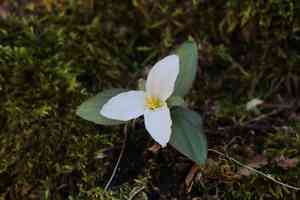
For Trillium nivale, the arrival of spring's melt is ideal for relocation, allowing for proper root development. Select a shaded, damp spot, and if needed, amend the earth to replicate its natural forest environment.
What Preparations are Needed Before Transplanting Snow Trillium?
What is the Ideal Time for Transplanting Snow Trillium?
The optimal period for relocating snow trillium to your garden is during the cool, refreshing days of early to mid-spring. This timing allows the delicate roots of snow trillium to establish themselves in cool, nourishing soil, providing a head start before the summer heat arrives. Moving your snow trillium in springtime encourages robust development and guarantees a vibrant blooming season. Introducing them to the ground during this phase of gentle sunlight and ample rainfall promotes strong establishment, setting the stage for a magnificent display year after year. Planting at this early stage of the year aligns with snow trillium's natural cycle, offering them the best chance to flourish in their new home.
How Much Space Should You Leave Between Snow Trillium Plants?
For snow trillium, providing ample individual space is crucial! Aim for a separation of 0.5-1 feet or approximately 15-30 centimeters. This ensures each plant has sufficient room to expand and thrive without competing with its neighbors.
What is the Best Soil Mix for Snow Trillium Transplanting?
Snow trillium thrives in rich, well-drained soil. Prepare a foundational fertilizer blend of loamy soil, compost, and a small amount of sand. This supplies the necessary nutrients for snow trillium to flourish and prevents water from accumulating, which can harm the roots.
Where Should You Relocate Your Snow Trillium?
Selecting the correct location is vital. Snow trillium performs best in partial to full shade. If you have an area that receives filtered sunlight, particularly in the afternoon, that would be ideal. Avoid spots with harsh, direct light to prevent sun damage.
What Equipments Should You Prepare Before Transplantation Snow Trillium?
Gardening Gloves
To safeguard your hands while handling soil and snow trillium.
Shovel or Spade
For excavating holes in the ground and extracting the snow trillium from its original spot.
Wheelbarrow
To assist in moving larger plants or transporting soil if necessary.
Watering Can
To keep the snow trillium adequately hydrated throughout the transplanting process.
Garden Trowel
For precise and careful digging around the snow trillium roots.
Mulch
To safeguard the snow trillium once transplanted and aid in retaining soil moisture.
Root Pruning Shears
These might be needed if roots are damaged or excessively large.
How Do You Remove Snow Trillium from the Soil?
How Do You Remove Snow Trillium from the Soil?
From Ground: First, moisten the snow trillium plant to loosen the surrounding soil. Then, using a shovel or spade, dig a wide trench around the plant, ensuring the root ball of the snow trillium remains intact. Carefully work the spade beneath the root ball to gently lift the snow trillium from its initial location.From Pot: If your snow trillium is in a pot, begin by inverting the pot and gently tapping its rim against a firm surface. This should allow the snow trillium to slide out with its soil ball undisturbed.From Seedling Tray: Using a garden trowel or your fingers, carefully extract the snow trillium from its cell without harming the root system. Ensure you have a firm grip on the base of the snow trillium during this process to avoid unnecessary damage.
Step-by-Step Guide for Transplanting Snow Trillium
Preparation
Prepare the new planting site by digging a hole roughly twice as wide and deep as the snow trillium's root ball. Ensure any large stones or debris are removed from the hole.
Planting
Position the snow trillium in the prepared hole. The top of the root ball should be level with the ground surface. Backfill the hole with soil, taking care not to bury the plant's stem or leaves.
Tamping Down
Use your hands to gently press down the soil around the snow trillium, eliminating any significant air pockets.
Watering
Use your watering can to thoroughly water the snow trillium, ensuring the soil is moist but not waterlogged.
Mulching
Apply a layer of mulch around the snow trillium to help retain moisture and provide some protection for the newly transplanted plant.
How Do You Care For Snow Trillium After Transplanting?
Carefulness
Ensure the snow trillium is not harmed during the transplanting process, and handle it as gently as possible.
Monitoring
Regularly check on your snow trillium after the transplant, looking for signs of shock such as wilting or yellowing leaves.
Watering
Maintain a consistent watering schedule to encourage strong roots, but remember that excessive watering can be detrimental. The soil should be moist, not saturated.
Pruning
If necessary, you can trim some of the snow trillium's foliage to reduce stress on the plant after transplantation. This allows it to focus on establishing a strong root system.
Avoid Fertilizing
Refrain from using fertilizers until your snow trillium has established itself in its new location, as they can cause harm to the plant during this period.
Troubleshooting Common Issues with Snow Trillium Transplantation.
What is the optimal time frame to transplant snow trillium?
The best time to transplant snow trillium is during the S1-S2 period, when the plant is dormant.
How should I prepare the ground for the snow trillium?
The soil should be rich and well-draining. As a first step, remove any weeds or debris.
What's the ideal spacing when planting snow trillium?
Maintain a distance of 0.5-1 feet (15-30 cm) between the plants. This ensures they have ample room to grow.
How deep should I plant the snow trillium bulbs?
Plant the bulbs about 3-4 inches (7.5-10 cm) deep ensuring the root system is well-covered, but the bulb isn't smothered.
Do I water snow trillium immediately after transplanting?
Yes, water it right after transplanting. But take care not to soak the soil, ensuring it's just moist.
How can I ensure the transplanted snow trillium starts off healthy?
Adding organic matter such as compost at the transplantation time can help the plant establish quicker and grow stronger.
Does snow trillium require direct sunlight or shade?
Snow trillium can tolerate a range of light conditions but prefers partial shade. Avoid places with full direct sunlight.
What if my transplanted snow trillium isn't showing signs of growth?
Snow trillium can take time to establish. If after a couple of weeks there's no growth, confirm it's not too deep or too sunny.
Do I need to fertilize snow trillium after transplantation?
Fertilizing isn't usually required but a light application of well-balanced fertilizer can give the plant a boost in the initial growth stages.
What should be done if snow trillium appears wilted post-transplant?
If snow trillium appears wilted post-transplant, it may require more water. However, stick to a consistent watering schedule to prevent root rot.



