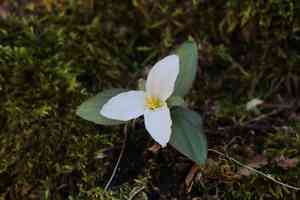
Snow trillium (Trillium nivale)
Also known as: Snow Trillium, Dwarf White Trillium
The Snowdrop (Galanthus) is a small perennial that flowers in late winter and early spring. It can bloom even when snow is present, which is why it's named Snowdrop. This flower is notably smaller compared to many other varieties.
In This Article
Attributes of Snow trillium
Lifespan
Perennial
Plant Type
Herb
Plant Height
8 cm to 15 cm
Spread
10 cm to 20 cm
Leaf Color
Red
Flower Size
2.5 cm to 5 cm
Flower Color
White
Images of Snow trillium
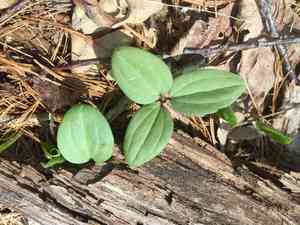
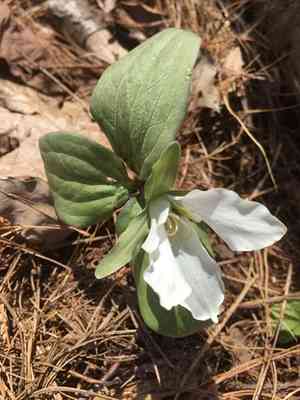
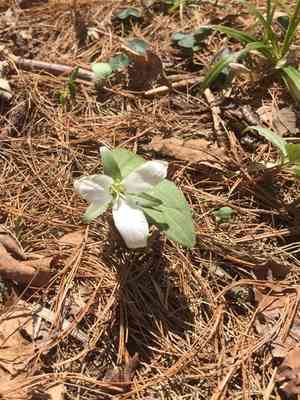
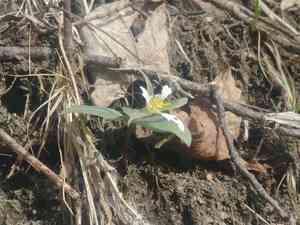
Quickly Identify Snow trillium
1
Look for a small plant approximately 2-3 inches tall with three petal-like white bracts, three green sepals, and whorled leaves. It blooms in early spring, often before the snow has completely melted.
Scientific Classification of Snow trillium
Phylum
Vascular plants
Class
Monocotyledons
Order
Liliales
Family
Bunchflower
Genus
Birthroots
Species
Snow trillium
Planting and Growing of Snow trillium
Care Difficulty
Easy
Watering Schedule
Every 3 days
Sunlight Requirements
Partial sun
Sunshine Duration
4-8 hours
Ideal Temperature
50-60℉
Soil Type
Potting Mix, Peat Mix
Soil pH
6.5-7.5
Fertilizer Type
Balanced
Pruning Season
Spring, Summer
Pruning Area
Branches, Leaves
Pruning Frequency
2 times a year
Repotting Season
Spring
Pot Type
Plastic, Ceramic
 How to Water Snow trillium?
Trillium nivale, commonly known as snow trillium, thrives best when watered with about 100 ml of water per instance. The soil should be moist but not soggy, emulating the natural environment of early spring forests. Aim to maintain consistent moisture, allowing the top layer to dry slightly between waterings.
What are the symptoms of an underwatered Snow trillium?
›
What should I do if my Snow trillium is not getting enough water?
›
What are the symptoms of an overwatered Snow trillium?
›
How to save an overwatered Snow trillium?
›
 What Are the Sunlight Requirements for Snow trillium?
Trillium nivale flourishes under partial sun or full shade, mimicking dappled woodland light. This balance ensures robust growth and vibrant bloom displays.
More About Sunlight Requirements Techniques→
Question 1: What is the preferred light condition for Trillium nivale?
›
Question 2: How can you achieve ideal lighting for Trillium nivale indoors?
›
Question 3: What benefits does Trillium nivale gain from ideal lighting conditions?
›
 What Is the Ideal Temperature Range for Snow trillium?
Trillium nivale thrives best in a temperature range between 50°F and 60°F. This range mimics the cool, temperate environments of its native habitats, ensuring proper growth and vitality. Maintaining this temperature helps in vibrant foliage and optimum blooming conditions.
 What Soil is Best for Snow trillium?
Trillium nivale thrives in soil that retains moisture without becoming waterlogged. This characteristic ensures that the plant's roots remain hydrated throughout the growing season, supporting robust growth and vibrant flowering. A well-drained soil structure prevents waterlogging, which can lead to root rot. This drainage is crucial for allowing the roots to access oxygen, promoting healthy and dynamic growth patterns for the plant. The presence of organic matter in the soil provides essential nutrients for Trillium nivale. Such nutrient availability encourages strong foliage development and increases the plant's overall vigor and resistance to pest issues.
 How to Fertilize Snow trillium?
For Trillium nivale, it's essential to use a balanced fertilizer mix. Liquid fertilizer should be diluted to half the strength of the recommended dosage. Each application should contain no more than half a teaspoon per gallon of water to avoid overfeeding.
 How to Prune Snow trillium?
Ensure your pruning tools are sharp and sterilized to avoid any infections. Before starting, remove any dead or diseased foliage carefully to promote healthy growth and reduce the chance of transmitting diseases. Trim back any damaged, wilted, or old flower stalks to make way for new growth. Aim to cut just above the base of the older stems, but be mindful not to damage the emerging shoots.
More About Pruning Techniques→
 How to Propagate Snow trillium plant?
1
Collect seeds from mature plants in early spring when seed pods open naturally. It ensures seeds are fully developed, increasing the chances of germination in the next growing season.
2
Combine equal parts of garden soil, sand, and peat moss to create a well-draining and nutrient-rich soil mix. This promotes healthy root development and prevents waterlogging.
3
Sow seeds evenly on a prepared seed tray, lightly press into the soil, and cover them with a thin soil layer. This helps secure seeds in place and facilitates uniform germination.
 How to Repot Snow trillium plant?
1
Repotting should be considered when you notice the roots have filled the current pot or are protruding out of the drainage holes. Spring, just before the active growing season, is the optimal time for Trillium nivale to ensure minimal stress and maximal growth potential.
2
For Trillium nivale, select a pot that is just one size larger than the current one to avoid excess soil retaining too much moisture. A pot with excellent drainage will help prevent waterlogging, which could lead to root rot, ensuring healthier roots and a happier plant.
3
Utilize a well-draining loamy soil mix for repotting Trillium nivale. This ensures that water drains efficiently while retaining enough moisture to keep the plant hydrated. Such soil mimics the plant's natural woodland habitat, promoting robust growth and health.



