How to Prune Snow trillium?
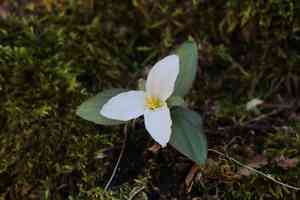
Celebrated for its early spring blossoms, snow trillium flourishes with very little trimming. After the blooming period, remove any withered or compromised leaves to encourage robust development. The perfect time for pruning is in late winter or early spring, prior to the emergence of new shoots. Regular elimination of deceased matter not only preserves its appearance but also boosts the plant's well-being. Since snow trillium is a species requiring minimal upkeep, over-pruning can impede its inherent growth and capacity to flower.
What Are the Benefits of Pruning Snow Trillium?
What Are the Benefits of Pruning Snow Trillium?
Trimming snow trillium promotes vigorous development and maintains its desired shape. Strategic cutting back can revitalize snow trillium, fostering more robust and structured growth.
What Is the Best Time for Pruning Snow Trillium?
What Is the Best Time for Pruning Snow Trillium?
Trimming or cutting back snow trillium during late winter or early spring is considered optimal because the plant is still dormant, just before new shoots emerge to begin the growth cycle. Pruning during dormancy minimizes stress on snow trillium and prevents sap loss, which can be more common if pruning occurs after new growth has started. Additionally, the absence of leaves at this time allows for a clearer view of which plant parts require pruning. Since snow trillium is a perennial that blooms in early to mid-spring, completing pruning tasks before flowering ensures the plant's energy is directed towards producing healthy blooms rather than sustaining damaged or unnecessary parts. This timing also helps maintain the plant's shape and vigor without affecting the flowering season.
What Tools Do I Need to Prune Snow Trillium?
Hand Pruners
Given snow trillium's delicate stems, hand pruners with a sharp, clean blade are perfect for making precise cuts without harming surrounding foliage.
How to Prune Snow Trillium
Clean pruning tools
Before you begin pruning snow trillium, sanitize your pruning tools with isopropyl alcohol or a bleach solution to prevent disease transmission.
Identify diseased leaves
Carefully inspect snow trillium for diseased leaves, which may exhibit signs of discoloration, spots, or decay. Look for any withered leaves that appear dry and brown.
Prune diseased leaves
Using your sterilized pruning tools, gently remove diseased leaves from snow trillium by cutting them at their base where they connect to the stem. Avoid tearing or pulling the leaves to prevent plant damage.
Prune withered leaves
Similarly, remove withered leaves from snow trillium, ensuring a clean cut at the leaf base to encourage healthy growth and reduce potential pest hiding spots.
Dispose of prunings
Properly discard the pruned diseased and withered leaves by placing them in a bag and removing them from the garden to minimize the risk of disease spreading to healthy plants.
Common Pruning Mistakes with Snow Trillium
Overpruning
Removing too many leaves or flowers from snow trillium can cause undue stress to the plant, potentially leading to weaker growth and reduced flowering.
Improper cut location
Cuts made too far from a node or directly through the middle of a node can hinder healing and growth in snow trillium. It's crucial to make cuts just above nodes at a 45-degree angle.
Using dull tools
Dull pruning shears can damage snow trillium stems, making them more vulnerable to disease. Sharp, clean tools are essential for making precise cuts.
Pruning healthy tissue
Unnecessarily cutting away healthy leaves or stems of snow trillium can diminish the plant's vitality. Only prune away dead or diseased tissue.
Ignoring plant structure
Neglecting the natural shape and growth habit of snow trillium during pruning can result in an unbalanced appearance and potentially harm the plant's health.
Common Pruning Tips for Snow Trillium
Sanitize tools
Before pruning snow trillium, always sanitize your tools to prevent the spread of diseases. Use alcohol or bleach to disinfect your cutting implements.
Prune selectively
Target only dead or damaged tissue when pruning snow trillium. Limit pruning to what is necessary for the plant's health to maintain its natural form.
Follow natural shape
When pruning snow trillium, aim to maintain its natural tri-petal structure. Avoid excessive shaping that does not complement its growth habit.
Promote air flow
Thin out dense areas just enough to improve air circulation within the foliage of snow trillium, which can help prevent fungal infections.
Aid regeneration
If regeneration is needed for snow trillium, pruning should be done with care to encourage new growth. Focus on removing older, nonproductive stems to stimulate fresh growth.



