The Snow trillium Plant Advantage: Maximizing Home and Office Appeal and Wellness
1
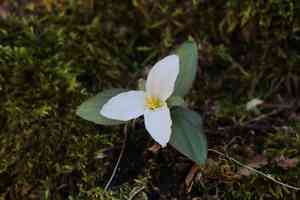
The snow trillium flowers in early spring, adding a beautiful element to the environment.
2
This flora contributes positively to soil quality and the preservation of forests.
3
Snow trillium aids native fauna by offering nectar early in the season.
What Makes Snow trillium Special?
Early Spring Blooms
Snow trillium is among the initial plants to flower in spring, frequently appearing while snow still covers the ground. This distinct feature not only beautifies otherwise drab landscapes but also signals spring's arrival. Its early flowering period can uplift the spirits of gardeners and nature lovers, offering a much-needed burst of color after a long winter.
Ecological Significance
Snow trillium holds a vital role in woodland ecosystems. By blooming early, it offers one of the primary nectar sources for pollinators like bees and other insects. This early availability of nectar helps sustain local pollinator populations, which are essential for the reproduction of numerous other plant species. Moreover, its presence indicates a healthy forest floor, as it flourishes in undisturbed, fertile soil.
The Benefits of Snow trillium for Soil Health
Nutrient-Rich Soil
A key advantage of Snow trillium is its positive influence on soil vitality. The plant aids in the nutrient cycling within the ecosystem. As Snow trillium decomposes, it returns vital nutrients to the soil, enriching it and fostering the growth of other plant species. This process contributes to the overall health and fertility of the forest floor.
Soil Stabilization
Snow trillium also assists in stabilizing soil with its root system. The roots form a network that secures the soil, reducing erosion and helping to preserve the integrity of the forest floor. This stabilization is particularly important in areas prone to runoff or landslides, as it helps prevent soil degradation and loss.
Supporting Local Wildlife with Snow trillium
Pollinator Support
Pollinators are crucial for maintaining biodiversity, and Snow trillium is one of the first food sources available to them in early spring. By supporting populations of bees, butterflies, and other pollinating insects, Snow trillium helps ensure the health of many other plant species that rely on these creatures for reproduction. This interconnected support network is vital for a thriving ecosystem.
Wildlife Habitat
Snow trillium also provides habitat support for various small animals and insects. Its dense foliage offers shelter and nesting sites, making it an important component of the underbrush. This habitat contribution helps increase local biodiversity, providing a variety of species with the resources they need to flourish.
How to Cultivate Snow trillium in Your Garden
Choosing the Right Location
If you're interested in growing Snow trillium in your garden, selecting the appropriate site is essential. This plant thrives in shaded or partially shaded areas with rich, well-drained soil. Replicating its natural forest floor conditions will maximize your chances of success. Avoid areas with full sun, as the delicate flowers and leaves may scorch.
Planting and Care
Plant Snow trillium bulbs in the autumn, placing them approximately 3-4 inches deep in the soil. Water thoroughly after planting, and ensure the area remains moist but not waterlogged. Once established, Snow trillium requires minimal upkeep. Occasional watering during dry periods and a light mulching in the fall can help maintain soil moisture and temperature. By providing these optimal conditions, you'll enjoy the beauty and benefits of Snow trillium each spring.



