How to Transplant Strawberry clover?
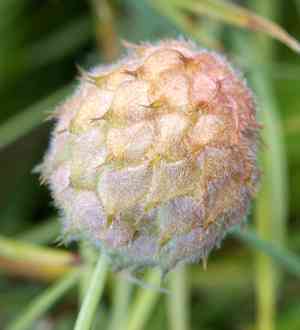
The most favorable periods for relocating strawberry clover are during the awakening of nature in early to mid-spring, or as it readies for dormancy from mid to late autumn. Select a sun-drenched location featuring soil that drains effectively to guarantee robust development. These intervals facilitate robust root development, free from the strain of harsh temperatures.
What Preparations are Needed Before Transplanting Strawberry Clover?
What is the Ideal Time for Transplanting Strawberry Clover?
For strawberry clover, the perfect time for relocation is from late spring to early summer, or mid-autumn to late fall. Moving strawberry clover during these periods takes advantage of mild weather, allowing roots to settle with minimal stress from extreme temperatures. Transplanting in these gentler seasons ensures strong growth and a flourishing garden presence, securing strawberry clover's place in your green space.
How Much Space Should You Leave Between Strawberry Clover Plants?
When getting ready to plant strawberry clover, allow approximately 15-20 cm (6-8 inches) between each one. This provides ample room for them to thrive, preventing competition for nutrients or sunlight.
What is the Best Soil Mix for Strawberry Clover Transplanting?
For strawberry clover, a loamy soil abundant in organic material will work wonders. Before transplanting, incorporate a balanced, slow-release fertilizer to give your strawberry clover a nourishing start.
Where Should You Relocate Your Strawberry Clover?
Strawberry clover thrives in bright sunlight! Choose a location where they can receive full sun for at least 6 hours daily. A sunny spot helps strawberry clover grow healthily and produce many blooms.
What Equipments Should You Prepare Before Transplantation Strawberry Clover?
Gardening Gloves
To shield your hands while handling soil and plants.
Hand Trowel
For digging small holes and moving young plants.
Shovel or Spade
Essential for excavating larger clover plants or preparing the planting area.
Watering Can or Hose
To hydrate the clover both prior to and following transplantation.
Pruning Shears
To trim any dead or excess growth before moving.
Wheelbarrow or Garden Cart
For moving the clover plant and any necessary soil amendments.
Garden Fork
To loosen the soil surrounding the clover plant before lifting it.
Root Pruning Saw or Knife
If the plant is large and possesses a dense root ball.
Organic Mulch
To help retain moisture and suppress weeds around the new planting site.
How Do You Remove Strawberry Clover from the Soil?
How Do You Remove Strawberry Clover from the Soil?
From Ground: First, water the strawberry clover plant to moisten the soil. Then, use a garden fork to loosen the soil around the plant. Create a wide perimeter around the root ball to prevent damage. Gently lift the plant with its root ball intact using a shovel or spade.From Pot: Thoroughly water the strawberry clover to facilitate removal. Turn the pot on its side and gently tap to loosen. Carefully slide the plant out, supporting the root ball to keep it from breaking.From Seedling Tray: Water the seedlings to make the soil pliable. Use a hand trowel or your fingers to gently lift each strawberry clover plant from its cell, ensuring minimal disturbance to the roots.
Step-by-Step Guide for Transplanting Strawberry Clover
Preparation
Gather all necessary tools and materials for the transplanting process.
Plant Retrieval
Using the appropriate removal method, extract the strawberry clover from its current spot while preserving as much of the root system as possible.
Transplant Site
Dig a hole in the new planting area that is twice as wide as the root ball and of the same depth to allow roots ample room to spread.
Plant Placement
Gently place the strawberry clover plant into the hole. Spread out the roots if they are clustered and ensure the plant is positioned at the same depth it was growing previously.
Backfilling
Carefully refill the hole with the excavated soil, gently firming it down around the roots of strawberry clover to eliminate air pockets.
Initial Watering
Water the strawberry clover thoroughly after transplanting to settle the soil and hydrate the roots. Ensure the water penetrates deeply to encourage downward root growth.
Mulching
Apply a layer of organic mulch around the base of the strawberry clover, leaving some space around the stem to prevent rot. This will help retain moisture and regulate soil temperature.
How Do You Care For Strawberry Clover After Transplanting?
Watering
Ensure the strawberry clover receives regular watering, especially during its initial growing season. The soil should remain moist but not waterlogged to promote root establishment.
Weeding
Carefully remove weeds that emerge near the strawberry clover as they can compete with the plant for nutrients and water.
Observation
Monitor the strawberry clover for signs of stress, such as wilting or discoloration, and address any issues promptly to ensure successful establishment.
Troubleshooting Common Issues with Strawberry Clover Transplantation.
Whatâs the best time to transplant strawberry clover for optimal growth?
The ideal transplanting period for strawberry clover is during mild weatherâpreferably late spring to early summer or from mid-autumn to late autumn.
How far apart should I space strawberry clover when transplanting?
For healthy development, space strawberry clover approximately 15-20 cm (6-8 inches) apart.
Why is my transplanted strawberry clover showing signs of wilting?
Wilting after moving strawberry clover could be due to insufficient water or root damage. Ensure soil is moist and handle roots gently during transplantation.
How deep should I plant strawberry clover root balls?
Root balls of strawberry clover should be planted at the same depth as their previous growth, just covering the roots with soil.
What soil type is best for transplanting strawberry clover?
Transplant strawberry clover into well-draining soil rich in organic matter to ensure vigorous growth.
Can I transplant strawberry clover on a hot, sunny day?
It's better to transplant strawberry clover on a cloudy day or in the evening to reduce transplant shock from heat.
What should I do if strawberry clover transplants are not growing?
Check if strawberry clover is receiving adequate sunlight, water, and nutrients. Amend the soil with compost or fertilize lightly if needed.
How much water does strawberry clover need after transplanting?
Water strawberry clover generously after transplanting, then maintain consistent moisture, avoiding waterlogged conditions.
Is it normal for strawberry clover leaves to turn yellow post-transplant?
Some yellowing can be a normal stress response, but persistent yellowing suggests over/under-watering, poor soil conditions, or disease.
Can I use mulch when transplanting strawberry clover?
Yes, mulching around strawberry clover helps retain soil moisture, regulate soil temperature, and reduce weed competition.



