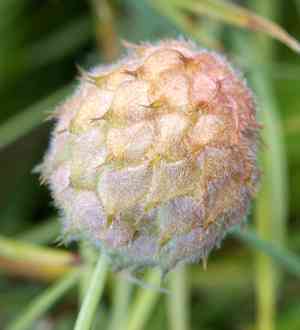
Strawberry clover (Trifolium fragiferum)
Also known as: Strawberry Clover, Strawberry-headed Clover
Strawberry Clover (Trifolium fragiferum) is a herbaceous plant native to Eurasia and Africa, also introduced to North America for use as a cover crop and to attract bees. Its flower clusters, which mature to look like strawberries, are a distinctive feature. This plant thrives in areas prone to flooding and high in salinity.
In This Article
Attributes of Strawberry clover
Lifespan
Perennial
Plant Type
Herb
Plant Height
10 cm to 50 cm
Spread
Approximately 0.5 meters
Leaf Color
Green
Flower Size
1 cm
Flower Color
Pink
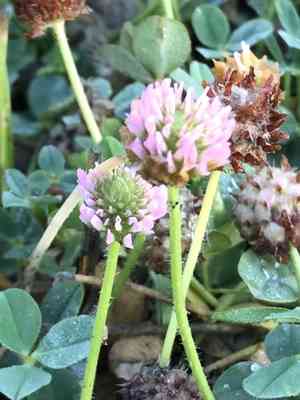
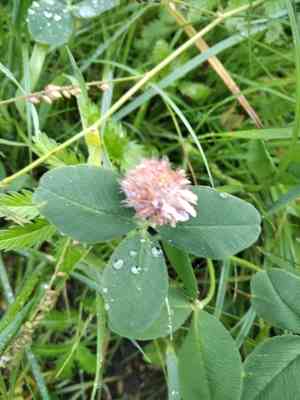
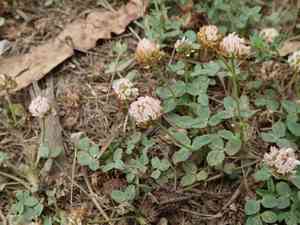
Images of Strawberry clover
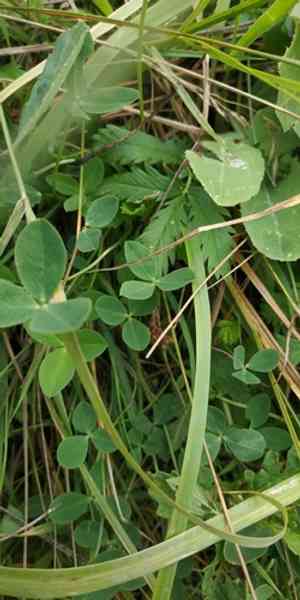
Quickly Identify Strawberry clover
1
Identifying Trifolium fragiferum involves looking for trifoliate leaves with elliptical leaflets, each with a notch at the tip. The distinct strawberry-shaped fruit heads are a key identification feature, along with pink to purplish flowers.
Scientific Classification of Strawberry clover
Phylum
Vascular plants
Class
Dicotyledons
Order
Fabales
Family
Legume
Genus
Clovers
Species
Strawberry clover
Planting and Growing of Strawberry clover
Care Difficulty
Easy
Watering Schedule
Every 4 days
Sunlight Requirements
Full sun
Sunshine Duration
6-8 hours
Ideal Temperature
59-77℉
Soil Type
Potting Mix, Peat Mix
Soil pH
6.5-7.5
Fertilizer Type
Balanced
Pruning Season
Spring, Summer
Pruning Area
Branches, Leaves
Pruning Frequency
2 times a year
Repotting Season
Spring
Pot Type
Plastic, Ceramic
 How to Water Strawberry clover?
Trifolium fragiferum prefers consistently moist soil, but not waterlogged. Water with approximately 250 milliliters each time, ensuring the soil is evenly saturated, yet avoid pools of stagnant water.
What are the symptoms of an underwatered Strawberry clover?
›
What should I do if my Strawberry clover is not getting enough water?
›
What are the symptoms of an overwatered Strawberry clover?
›
How to save an overwatered Strawberry clover?
›
 What Are the Sunlight Requirements for Strawberry clover?
Trifolium fragiferum enjoys full to partial sun exposure. Adequate light ensures optimal growth, vibrant foliage, and profuse flowering. This range assists in maintaining the plant's strength and resilience.
More About Sunlight Requirements Techniques→
What type of light does Trifolium fragiferum need?
›
How to achieve ideal lighting for Trifolium fragiferum?
›
What are the benefits of perfect lighting for Trifolium fragiferum?
›
 What Is the Ideal Temperature Range for Strawberry clover?
Trifolium fragiferum thrives best between 59°F and 77°F. This range allows for optimal growth and development, ensuring healthy foliage and flowering. Temperatures within this range support metabolic functions and facilitate nutrient uptake, leading to a robust and vigorous plant. Maintaining the ideal temperature helps avoid stress-related issues, promoting overall vitality.
 What Soil is Best for Strawberry clover?
Trifolium fragiferum prefers well-draining soil to prevent waterlogging, which can lead to root rot. This requirement ensures the roots access ample oxygen and nutrients, promoting healthy growth and a robust plant structure. Opting for nutrient-rich soil ensures that Trifolium fragiferum receives sufficient minerals and organic matter necessary for thriving. This results in richer foliage and improves the overall health and aesthetics of the plant. A balance in moisture retention is essential to cater to Trifolium fragiferum’s needs. The soil should retain enough moisture without becoming soggy, aiding in consistent growth and preventing issues related to drought stress.
 How to Fertilize Strawberry clover?
For Trifolium fragiferum, apply a balanced liquid fertilizer diluted at half its strength to avoid overwhelming the roots. About 20 ml per plant every application should suffice to promote healthy growth without risking nutrient overload.
 How to Prune Strawberry clover?
Spring and early summer are the best times for pruning to allow the plant to recover quickly and flourish with new growth. Avoid pruning too late in the year to prevent exposure to frosty conditions. Focus on shaping the plant evenly. Trim back any long or unruly stems to maintain an attractive shape and ensure that all parts of the plant have access to sunlight and airflow.
More About Pruning Techniques→
 How to Propagate Strawberry clover plant?
1
Choose a well-drained soil mix and fill the seed tray. Moisten the soil slightly but do not saturate it. Ensure the soil is not compacted as this can hinder seed germination and development.
2
Evenly distribute Trifolium fragiferum seeds over the prepared soil. Cover them lightly with a thin layer of soil. The seeds require sunlight to germinate, so avoid burying them deeply.
3
Select healthy stem sections approximately 4-6 inches long. Remove leaves from the lower half and dip the cut end into rooting hormone powder to enhance root development before planting in moist soil.
 How to Repot Strawberry clover plant?
1
Repotting Trifolium fragiferum is ideally done when roots begin to circle the bottom of the pot or protrude through drainage holes. Another signal is if growth becomes stunted and leaves start yellowing. Performing these checks in spring or early summer guarantees optimal growth, as the plant enters its active growing phase.
2
Select a pot that is just one size larger than the current one. Ensure it has drainage holes, as adequate drainage helps in preventing root rot. Using a slightly larger pot prevents the clustering of roots, offering room for proper growth and nutrient absorption, which is crucial for healthy plants.
3
Transfer the plant into a well-drained loamy soil that offers a balance of moisture retention and air circulation. This kind of soil promotes root health by not allowing excess water retention, preventing root rot, and giving the plant a firm anchorage to enable strong and healthy growth.
Learn More About Strawberry clover Diseases
Anthracnose
Bacterial Leaf Spot
Bacterial Soft Rot
Bacterial Wilt
Cyst Nematode
Damping-off
Downy Mildew
Drought Stress
Fusarium Wilt
Gray Mold
Leaf Spot
Mosaic
Nutrient Deficiency
Nutrient Toxicity
Powdery Mildew
Root Rot
Root-knot Nematode
Rusts
Sooty Mold
Spider Mites
Temperature Stress
Thrips Damage
White Mold



