How to Propagate Strawberry clover?
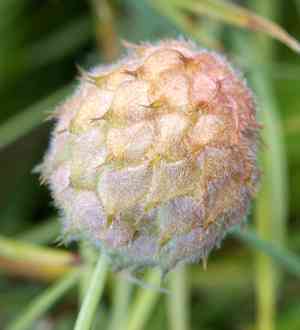
Strawberry clover flourishes most effectively when multiplied via cutting techniques, specifically stem cuttings. To achieve successful propagation, cultivators ought to choose robust, pathogen-free parent specimens. Employ sharp, sanitized pruners to obtain cuttings, making sure each possesses a minimum of two to three nodes. These stem cuttings should then be situated in a well-draining substrate or a water-based rooting solution under diffused illumination to encourage root formation. Consistent oversight of moisture levels is crucial to avert the cuttings from dehydrating or becoming oversaturated, thereby guaranteeing a high rate of root establishment.
When Is the Best Time to Propagate Strawberry Clover?
Propagation Method
Cutting
Propagation Period
Spring,Summer
What Tools Are Used for Strawberry Clover Propagation?
Sharp Pruning Shears
These are vital for making clean cuts on strawberry clover stems, crucial for preventing disease and ensuring healthy root development during cutting propagation. Shears should be disinfected before use to avoid contaminating cuttings.
Rooting Hormone Powder
This product helps boost root development in strawberry clover cuttings. Applying a small amount to the cut stem end before planting promotes faster, more uniform root growth, essential for new plant establishment.
Sterilized Potting Mix
A well-draining, nutrient-rich, pathogen-free potting mix provides the ideal environment for strawberry clover cuttings to root. Sterility helps prevent disease and pest issues that could hinder cutting growth and development.
Propagation Trays
These trays are used to arrange multiple strawberry clover cuttings in a controlled setting. Trays help maintain optimal humidity and temperature, both important for successful strawberry clover rooting.
Clear Plastic Domes or Plastic Wrap
Used to cover propagation trays, these materials create a high humidity environment around strawberry clover cuttings, which is necessary to prevent dehydration and encourage successful rooting.
How to Propagate Strawberry Clover?
Propagation Difficulty
Easy
How to Care for Your Newly Propagated Strawberry Clover?
How to Care for Your Newly Propagated Strawberry Clover?
After propagation, gradually introduce strawberry clover to less humid conditions by removing the plastic cover for increasing durations daily over a week. Once rooted, transplant new plants to their permanent location in moist, well-drained soil. Strawberry clover prefers full sun to partial shade and benefits from regular watering during dry spells and an annual application of balanced, slow-release fertilizer during the growing season. Regularly inspect for pests and diseases, as strawberry clover can attract aphids and is prone to powdery mildew.
Common Mistakes to Avoid When Propagating Strawberry Clover
Overwatering
Excessive watering of strawberry clover can lead to root rot and other fungal diseases. This plant prefers moist but well-drained soil, and sitting in waterlogged soil can severely damage its root system.
Deep Planting
Planting strawberry clover seeds or seedlings too deeply can hinder their germination and growth. Strawberry clover needs light for optimal germination, and seeds planted too deep may fail to sprout.
Ignoring Weeds
Failing to manage competing weeds around strawberry clover can significantly impact its growth and spread. Weeds can outcompete strawberry clover for nutrients, light, and space, stunting its development.
Tips For Propagating Strawberry Clover
Soil Preparation
Prepare well-draining soil rich in organic matter to encourage healthy root growth for strawberry clover. Ensuring loose, fertile soil supports better root establishment and nutrient absorption.
Appropriate Watering
Maintain consistent moisture levels without overwatering. Use a watering schedule that keeps the soil moist but not saturated to support strawberry clover's growth without the risk of root diseases.
Seed Spacing
When sowing seeds, ensure they are lightly covered with soil and not too close together. Proper spacing allows adequate air circulation and reduces the risk of fungal infections, giving each seedling enough room to develop.



