How to Prune Strawberry clover?
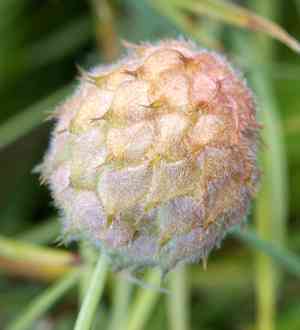
This enduring leguminous plant, distinguished by its spherical pink blossoms reminiscent of strawberries, flourishes with little upkeep. For strawberry clover, trimming is best carried out in the latter part of spring or early summer to foster a more compact form and spur fresh development. Mowing or cutting back the foliage can assist in controlling its expansion, preventing excessive growth, and revitalizing the plant. Eliminating faded flowers or seed pods might also encourage a subsequent bloom. Consistent pruning enhances the plant's robustness and aids in creating a verdant ground cover.
What Are the Benefits of Pruning Strawberry Clover?
What Are the Benefits of Pruning Strawberry Clover?
Trimming strawberry clover promotes robust development by eliminating old or dead leaves, enhancing air circulation and light penetration. It also aids in maintaining the desired form, fostering a more appealing and dense structure.
What Is the Best Time for Pruning Strawberry Clover?
What Is the Best Time for Pruning Strawberry Clover?
Pruning in Spring coincides with strawberry clover's initial growth phase, which is perfect for shaping the plant and removing dead or damaged tissue that could hinder new growth. Early Summer pruning, prior to blooming, encourages denser growth and prevents the plant from expending too much energy on seed production, which can diminish its vitality and ground-covering capacity.
What Tools Do I Need to Prune Strawberry Clover?
Hand Pruners (Bypass Pruners)
Perfect for making clean cuts on strawberry clover's slender stems, ensuring minimal harm to the plant.
Gardening Shears (Grass Shears)
Excellent for trimming and shaping the thick foliage of strawberry clover, particularly useful for uniformly cutting back the plant during the growing season.
Pruning Gloves
Recommended for protecting hands from potential irritation when handling strawberry clover, improving comfort during the pruning process.
How to Prune Strawberry Clover
Disinfect tools
Before beginning the pruning process for strawberry clover, ensure all tools are sanitized to prevent disease transmission.
Remove diseased parts
Carefully remove any diseased leaves and stems from strawberry clover using sharp pruning shears, making cuts close to the base of the affected areas.
Trim withered leaves
Cut off withered or dead leaves from strawberry clover to encourage healthy growth and improve air circulation. Make cuts at the base of the withered leaves.
Shape plant
If needed, gently shape strawberry clover by trimming away any irregular growth or overly long parts, which will promote a more compact and visually pleasing form.
Cleanup
After pruning strawberry clover, clear away all trimmed material from around the plant to reduce the likelihood of disease spread and foster a healthy growing environment.
Common Pruning Mistakes with Strawberry Clover
Overpruning
Removing too much foliage at once can shock strawberry clover, leading to stressed plants and reduced vigor. Gardeners should avoid cutting away more than a third of the plant at any one time.
Improper cut placement
Incorrect cut placement can result in damage to strawberry clover's crown and potential disease entry. Cuts should be made just above a leaf node or side branch to promote healthy regrowth.
Using dull tools
Dull or dirty pruning tools can cause jagged cuts and invite pathogens into strawberry clover. Always use sharp, clean pruning shears for a clean cut.
Pruning for shape alone
Focusing solely on shaping strawberry clover without considering the plant's health can lead to an imbalance in growth or a reduction in flowering. Pruning should balance aesthetic with plant health.
Common Pruning Tips for Strawberry Clover
Rejuvenation
Periodic rejuvenation pruning helps to maintain the vigor of strawberry clover by encouraging new growth. Cut back old stems to give way for fresh sprouts.
Deadheading
Regular removal of spent blooms can promote further flowering in strawberry clover as it prevents the plant from redirecting its energy into seed production.
Thin out density
Thinning out dense areas increases air circulation around strawberry clover, which can reduce the risk of fungal diseases and improve overall plant health.
Conservation of young growth
Preserve young, vital growth during pruning to keep strawberry clover robust and allow for future flowering. Focus on removing older, less productive stems.



