How to Transplant Virginia marsh St. John's wort?
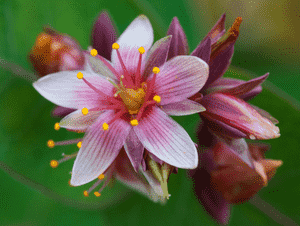
The ideal period for transplanting Hypericum virginicum is from the refreshing onset of early spring through the peak of late spring's vigor. Select a location where damp conditions are suitable, and to facilitate establishment, ensure the substrate remains uniformly hydrated.
What Preparations are Needed Before Transplanting Virginia Marsh St. John's Wort?
What is the Ideal Time for Transplanting Virginia Marsh St. John's Wort?
The optimal window for relocating virginia marsh St. John's wort extends from the thaw of winter until the onset of summer. Moving virginia marsh St. John's wort during this period leverages cooler, damp soil, facilitating strong root development prior to summer's heat. By selecting this interval, the subsequent mild conditions aid virginia marsh St. John's wort in adapting and thriving in its new location, lessening transplant shock and fostering a healthy growth cycle.
How Much Space Should You Leave Between Virginia Marsh St. John's Wort Plants?
When preparing to rehome virginia marsh St. John's wort, ensure ample room for growth by maintaining a distance of approximately 18-24 inches (45-60 cm) between each plant. This provides their root systems sufficient space to expand and absorb nutrients effectively!
What is the Best Soil Mix for Virginia Marsh St. John's Wort Transplanting?
For your virginia marsh St. John's wort, prepare a soil blend that is nutrient-rich and slightly acidic to neutral. Incorporating peat moss or well-decomposed leaf mold will establish an ideal growing medium. A light application of a balanced, slow-release fertilizer will provide a beneficial start!
Where Should You Relocate Your Virginia Marsh St. John's Wort?
Select a site where your virginia marsh St. John's wort receives daily exposure to full to partial sunlight. Around 6 hours of gentle sunbeams will keep them flourishing. East or west-facing locations can be perfect for that radiant glow!
What Equipments Should You Prepare Before Transplantation Virginia Marsh St. John's Wort?
Gardening Gloves
To safeguard your hands while handling soil and plants.
Garden Spade or Shovel
For excavating around and beneath the root mass.
Watering Can or Hose
To hydrate the plant before and after the relocation process.
Wheelbarrow or Garden Cart
To move the virginia marsh St. John's wort between sites if required.
Garden Fork
To loosen the earth surrounding the plant, simplifying its extraction.
Pruning Shears
For trimming any dead or excess foliage prior to transplanting.
How Do You Remove Virginia Marsh St. John's Wort from the Soil?
How Do You Remove Virginia Marsh St. John's Wort from the Soil?
From Ground: First, moisten the virginia marsh St. John's wort plant to dampen the soil. Dig a wide trench around the plant using a shovel or spade, ensuring the plant's root ball remains intact. Carefully work the spade under the root ball to lift the plant from its original location.From Pot: Hydrate the virginia marsh St. John's wort thoroughly before the transplant. Tilt the pot sideways and gently tap the base to dislodge the root ball. Support the plant with one hand, and with the other, carefully separate the pot from the root ball.From Seedling Tray: Lightly water the seedlings to facilitate easier removal. Utilize a garden fork or a small implement to gently lift the seedling, preserving as much of the root structure as possible.
Step-by-Step Guide for Transplanting Virginia Marsh St. John's Wort
Dig Hole
Excavate a hole in the new spot that is twice as wide and equally deep as the root ball of your virginia marsh St. John's wort.
Examine Roots
Carefully inspect the root ball of virginia marsh St. John's wort for circling or matted roots and gently untangle them if needed to encourage outward growth.
Placement
Position the virginia marsh St. John's wort in the center of the hole at the same depth it was growing previously, keeping the plant upright and the root crown at soil level.
Refill Hole
Partially backfill the hole with soil around the roots of virginia marsh St. John's wort, then water to settle the soil before filling the remainder of the hole.
Firm Soil
Gently compact the soil around the base of the virginia marsh St. John's wort to eliminate any air pockets. Ensure that the plant is stable in its new location.
Water Thoroughly
After planting, deeply water the virginia marsh St. John's wort to aid in establishing its roots in the new environment.
How Do You Care For Virginia Marsh St. John's Wort After Transplanting?
Monitoring
Observe the virginia marsh St. John's wort for indications of stress such as wilting or discolored leaves and intervene if necessary.
Mulching
Apply a layer of mulch around the base of virginia marsh St. John's wort to help retain moisture, stabilize soil temperature, and reduce weed competition.
Pruning
Trim any damaged or broken stems to direct the virginia marsh St. John's wort's energy towards establishing new roots rather than repairing upper growth.
Pest Control
Watch for insects or disease, and treat appropriately with eco-friendly options to prevent harm to the virginia marsh St. John's wort during its establishment period.
Troubleshooting Common Issues with Virginia Marsh St. John's Wort Transplantation.
What's the best time to transplant virginia marsh St. John's wort?
Relocate virginia marsh St. John's wort during the ideal period of early to late spring, when conditions are mild.
How far apart should I space virginia marsh St. John's wort when transplanting?
Allow virginia marsh St. John's wort ample room to thrive by spacing them 18-24 inches (45-60 cm) apart.
Why is my virginia marsh St. John's wort wilting after transplant?
Wilting may indicate shock. Provide gentle watering and protect from intense sunlight to aid recovery.
What soil conditions favor virginia marsh St. John's wort after transplanting?
Virginia marsh St. John's wort flourishes in moist, well-draining soil with a slightly acidic pH for optimal health.
Can virginia marsh St. John's wort be transplanted during the blooming period?
It's not advisable; transplant during dormancy or before flowering to avoid stressing virginia marsh St. John's wort.
Why are the leaves of my transplanted virginia marsh St. John's wort turning yellow?
Yellow leaves could indicate water stress or soil imbalances. Ensure adequate moisture and proper soil conditions.
How deep should I plant virginia marsh St. John's wort's roots when transplanting?
Plant roots at their original depth, avoiding planting too deep or too shallow.
Should I amend the soil when transplanting virginia marsh St. John's wort?
Enriching the soil with organic material helps virginia marsh St. John's wort establish more readily in its new location.
How much should I water virginia marsh St. John's wort after transplanting?
Maintain consistently moist but not waterlogged soil to help virginia marsh St. John's wort settle in without stress.
Is it necessary to prune virginia marsh St. John's wort during transplant?
Pruning isn't essential, but removing damaged parts can help virginia marsh St. John's wort to better allocate energy.



