The Virginia marsh St. John's wort Plant Advantage: Maximizing Home and Office Appeal and Wellness
1
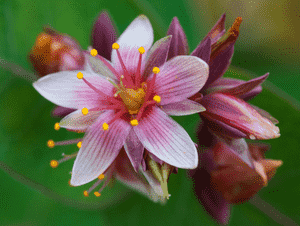
Virginia marsh St. John's wort is recognized for its attractive flowers that draw in butterflies and other pollinators.
2
This plant flourishes in damp environments, contributing to efforts in restoring natural habitats.
3
Its root system can assist in preventing the loss of soil along the edges of rivers and marshlands.
What Makes Virginia marsh St. John's wort Unique?
Distinctive Features
The special characteristics of Virginia marsh St. John's wort include its bright pink to purple blossoms that appear in late summer and early autumn. These flowers are not only visually appealing but also attract butterflies and other pollinators, making it an excellent option for increasing garden biodiversity.
Growth and Habitat
Virginia marsh St. John's wort thrives in damp environments, such as swamps, bogs, and along riverbanks, where its roots have adapted to changing water levels. This trait makes it perfect for habitat restoration efforts, helping to revitalize and sustain healthy wetland ecosystems.
Ecological Benefits of Virginia marsh St. John's wort
Supporting Pollinators
A key ecological advantage of Virginia marsh St. John's wort is its capacity to draw in various pollinators, including butterflies, bees, and other beneficial insects. These pollinators are vital for maintaining ecosystem health by assisting in plant reproduction and ensuring the survival of diverse plant species.
Preventing Soil Erosion
The strong root systems of Virginia marsh St. John's wort are highly effective at stabilizing soil, especially in wetland areas prone to erosion. Planting Virginia marsh St. John's wort along riverbanks, lakeshores, and other vulnerable spots can help prevent soil loss, thereby safeguarding water quality and reducing sediment in aquatic habitats.
Practical Uses for Virginia marsh St. John's wort in Landscaping
Garden Aesthetic
Virginia marsh St. John's wort adds a burst of color and texture to any garden with its vibrant blooms and lush foliage. Its ability to flourish in wet conditions also makes it an ideal fit for rain gardens, enhancing both the beauty and utility of your landscape.
Creating Wetland Buffers
In home landscaping projects, Virginia marsh St. John's wort can be utilized to form natural barriers along water features like ponds and streams. These wetland buffers act as a shield against pollutants, filtering runoff before it enters the water body and thus improving the overall health of your garden ecosystem.
How to Grow and Care for Virginia marsh St. John's wort
Planting Tips
When planting Virginia marsh St. John's wort, select a site that mimics its natural environmentâareas with consistently moist or wet soil. While it can tolerate partial shade, the plant flourishes best in full sunlight, which encourages abundant flowering.
Maintenance Requirements
This low-maintenance plant needs minimal attention once established. Regular watering during dry periods and occasional pruning to remove dead or damaged stems are all that's required to keep Virginia marsh St. John's wort in prime condition. Given its adaptability and natural resilience, Virginia marsh St. John's wort is a robust choice for gardeners of all experience levels.
Why Choose Virginia marsh St. John's wort for Your Environmental Projects?
Restoring Wetland Ecosystems
Wetland restoration initiatives can greatly benefit from including Virginia marsh St. John's wort, as its natural preference for wet environments and its role in supporting pollinators make it a foundational species. Its presence can help re-establish a balanced ecosystem, encouraging the return of other native plant species and wildlife.
Community Contributions
Beyond its ecological advantages, Virginia marsh St. John's wort contributes to community beautification and green space improvement. Schools, parks, and community gardens incorporating Virginia marsh St. John's wort can enjoy a more vibrant and ecologically sound setting, fostering nature appreciation and environmental stewardship among all age groups.



