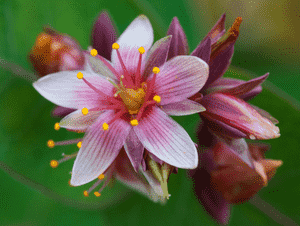
Virginia marsh St. John's wort (Triadenum virginicum)
Also known as: Virginia Marsh St. Johnswort, Virginia Bog St. Johnswort
Swamp Milkweed (*Asclepias incarnata*) is a small flowering plant native to central and eastern North America. It thrives in wetlands such as bogs, wet meadows, fens, and marshes. Blooming in summer, this plant displays attractive pink or red flowers.
In This Article
Attributes of Virginia marsh St. John's wort
Lifespan
Perennial
Plant Type
Herb
Plant Height
70 cm
Spread
1.5 m
Leaf Color
Green
Flower Size
1.5 cm
Flower Color
Pink Red
Images of Virginia marsh St. John's wort
Quickly Identify Virginia marsh St. John's wort
1
Triadenum virginicum can be identified by its opposite, lance-shaped leaves with entire margins. The plant produces pink flowers with 5 petals and numerous stamens, typically blooming from mid-summer to early fall. The stems are usually reddish and smooth.
Scientific Classification of Virginia marsh St. John's wort
Phylum
Vascular plants
Class
Dicotyledons
Order
Malpighiales
Family
St. John's wort
Genus
Marsh St. John's wort
Species
Virginia marsh St. John's wort
Planting and Growing of Virginia marsh St. John's wort
Care Difficulty
Easy
Watering Schedule
Every 8 days
Sunlight Requirements
Partial sun
Sunshine Duration
4-8 hours
Ideal Temperature
60-75℉
Soil Type
Potting Mix, Peat Mix
Soil pH
5-7.5
Fertilizer Type
Balanced
Pruning Season
Spring, Summer
Pruning Area
Branches, Leaves
Pruning Frequency
2 times a year
Repotting Season
Spring
Pot Type
Plastic, Ceramic
 How to Water Virginia marsh St. John's wort?
Triadenum virginicum, commonly known as Virginia marsh St. John's-wort, requires a soaking of around 500 ml per watering session. This plant thrives in damp conditions, so you should water it until the soil is moist but not waterlogged. Ensuring the soil is evenly moist throughout the pot is ideal for its growth.
What are the symptoms of an underwatered Virginia marsh St. John's wort?
›
What should I do if my Virginia marsh St. John's wort is not getting enough water?
›
What are the symptoms of an overwatered Virginia marsh St. John's wort?
›
How to save an overwatered Virginia marsh St. John's wort?
›
 What Are the Sunlight Requirements for Virginia marsh St. John's wort?
Triadenum virginicum thrives with partial sunlight exposure, receiving 4 to 6 hours of light daily. This balance promotes optimal growth, robust leaf development, and a better chance of flowering while preventing light-related stress.
More About Sunlight Requirements Techniques→
What is the best lighting condition for Triadenum virginicum?
›
How can you achieve this ideal lighting condition?
›
What benefits does the ideal lighting condition provide?
›
 What Is the Ideal Temperature Range for Virginia marsh St. John's wort?
Triadenum virginicum thrives best in temperatures ranging from 60°F to 75°F. This temperature range provides an optimum environment for photosynthesis and other metabolic processes. Consistent exposure to this temperature helps the plant to grow healthy and produce vibrant flowers.
 What Soil is Best for Virginia marsh St. John's wort?
Triadenum virginicum thrives best in soil that can retain moisture without becoming waterlogged. Maintaining adequate moisture is crucial for the health of this plant as it ensures consistent growth and prevents wilting. This plant benefits from a nutrient-rich soil that supports robust growth. The presence of organic matter provides essential nutrients, enhancing both flowering and foliage quality, ensuring the plant can sustain vibrant and healthy growth cycles. A well-draining soil structure is paramount to prevent root rot and other moisture-related diseases. By ensuring excess water can escape, the plant remains healthy and establishes a strong root system.
 How to Fertilize Virginia marsh St. John's wort?
For Triadenum virginicum, use a balanced all-purpose fertilizer with a formula like 10-10-10. When using liquid fertilizers, follow the packaging instructions to dilute it properly. Typically, a quarter-strength dilution is gentle enough for this plant without overwhelming its system. For slow-release fertilizers, sprinkle a small handful around the base of the plant.
 How to Prune Virginia marsh St. John's wort?
Begin by cutting back old and woody stems to encourage new growth. Focus on cutting just above the node to stimulate branching. This helps keep the plant looking vibrant and full. Shape Triadenum virginicum by trimming overgrown branches. Aim for a balanced look that allows sunlight to penetrate and air to circulate through the foliage, which is essential for healthy growth. Properly dispose of the clippings in a compost bin if free from disease, or discard them if they show signs of infection. This precautionary measure helps to inhibit disease spread.
More About Pruning Techniques→
 How to Propagate Virginia marsh St. John's wort plant?
1
Collect seeds from mature Triadenum virginicum plants in late summer or early autumn. Ensure that the seeds are fully matured and dry before storage or immediate planting.
2
Select healthy, disease-free stems for cutting propagation. Cut a 4-6 inch segment, preferably with a few leaves, and remove the lower leaves before planting in a growing medium.
3
In spring, gently dig up mature plants and separate their root clumps using a sharp knife or your hands. Replant the divisions at the same depth they were growing before division.
 How to Repot Virginia marsh St. John's wort plant?
1
Triadenum virginicum should be repotted when you notice that its roots are beginning to outgrow the current pot, causing the plant to become root-bound. Additionally, if the plant's growth significantly slows down despite optimal conditions, it may be another signal to consider repotting. Observe for these cues as they suggest it's time to refresh both the plant's space and soil.
2
Selecting the right pot for Triadenum virginicum requires ensuring good drainage and proper root space. A pot that is only one size larger than the current one is ideal, promoting healthy root spread without overwhelming the plant. Ensure the pot has enough drainage holes to prevent waterlogged soil, which can be detrimental to its health.
3
The perfect soil composition for Triadenum virginicum prioritizes moisture retention while still ensuring drainage. A mix of peat and perlite is beneficial, as it maintains the necessary moisture levels while preventing excess water retention. This blend mimics the plant's natural habitat conditions, promoting robust growth.



