How to Prune Virginia marsh St. John's wort?
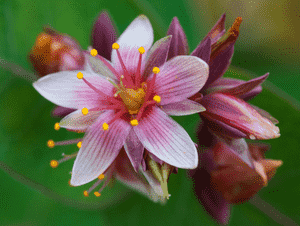
This enduring herbaceous plant thrives in damp environments, displaying vibrant pink blossoms. Appropriate trimming boosts the vitality of virginia marsh St. John's wort by fostering fresh development and flower generation. Perform pruning on virginia marsh St. John's wort in the latter part of spring or early summer once blooming has concluded. Remove any lifeless or frail stalks to preserve a neat look and facilitate air movement. Reducing the plant to sound tissue deters ailments and encourages robust, thick foliage. Although not compulsory, pruning can revitalize an overgrown virginia marsh St. John's wort and assist in preserving its preferred dimensions and form.
What Are the Benefits of Pruning Virginia Marsh St. John's Wort?
What Are the Benefits of Pruning Virginia Marsh St. John's Wort?
Trimming virginia marsh St. John's wort encourages robust development and maintains its desired shape. Strategic cuts can revitalize the plant, fostering new, healthy shoots while helping to control its spread within a defined space.
What Is the Best Time for Pruning Virginia Marsh St. John's Wort?
What Is the Best Time for Pruning Virginia Marsh St. John's Wort?
Pruning virginia marsh St. John's wort in late winter to early spring is ideal because the plant is still dormant, minimizing stress and the risk of disease. This timing also prepares the plant for vigorous spring growth. Pruning in late summer is perfect once virginia marsh St. John's wort has finished blooming, allowing gardeners to remove spent flowers and shape the plant without sacrificing next season's blossoms.
What Tools Do I Need to Prune Virginia Marsh St. John's Wort?
Bypass Pruners
Excellent for making clean cuts on the green, living stems of virginia marsh St. John's wort without crushing plant tissue. Suitable for stems up to 1/2 inch in diameter.
Lopping Shears
These are perfect for cutting through thicker branches of virginia marsh St. John's wort that are up to 1 1/2 inches in diameter, providing the extra leverage needed for larger cuts.
Pruning Saws
For the thickest woody stems of virginia marsh St. John's wort, a pruning saw can make quick work of stems over 1 1/2 inches in diameter that bypass pruners and loppers can't handle.
Gardening Gloves
To protect hands from the sap of virginia marsh St. John's wort, which may be irritating to some people, and to ensure a firmer grip on the pruning tools.
How to Prune Virginia Marsh St. John's Wort
Disinfect
Before starting, disinfect your pruning shears with isopropyl alcohol or a 10% bleach solution to prevent the spread of disease during the process.
Identify
Carefully inspect virginia marsh St. John's wort to determine which leaves and stems are diseased or withered. Look for obvious signs of discolouration, spots, or rot.
RemoveLeaves
Use your shears to snip off diseased and withered leaves at their base, taking care to make a clean cut without damaging healthy adjacent foliage.
CutStems
Trim diseased stems by making a cut at a 45-degree angle just above a healthy leaf node, which will help promote new growth.
CleanUp
After pruning, clean up all removed foliage from around virginia marsh St. John's wort to prevent the spread of any diseases and to maintain a tidy growing area.
Common Pruning Mistakes with Virginia Marsh St. John's Wort
Overpruning
Removing too much growth at once can stress virginia marsh St. John's wort, leading to weak growth and possibly damaging the plant's long-term health.
Inadequate tool sanitation
Not sterilizing pruning tools before use can introduce pathogens and spread disease to virginia marsh St. John's wort.
Improper cut angles
Cutting with improper angles can create larger wounds that take longer to heal, increasing susceptibility to diseases and pests in virginia marsh St. John's wort.
Neglecting dead or diseased growth
Failing to remove dead or diseased branches can hinder virginia marsh St. John's wort's energy distribution, potential for new growth, and overall health.
Wrong pruning technique
Using incorrect pruning techniques, such as tearing instead of cutting cleanly, can result in jagged wounds that harm virginia marsh St. John's wort's ability to recover and grow properly.
Ignoring plant shape and natural habit
Pruning without considering virginia marsh St. John's wort's natural habit can lead to an unsightly shape and affect its flowering potential.
Common Pruning Tips for Virginia Marsh St. John's Wort
Sharp clean tools
Use sharp and sanitized pruning tools for clean cuts that promote quick healing in virginia marsh St. John's wort.
Monitor plant health
Regularly inspect virginia marsh St. John's wort for any signs of dead, diseased, or damaged stems, and remove them promptly to maintain plant health and aesthetics.
Proper cut location
Make cuts just above a leaf node or bud to encourage virginia marsh St. John's wort to grow in a desired direction and to reduce the chance of disease entry.
Thinning
Thin out crowded areas to improve air circulation and light penetration, enhancing virginia marsh St. John's wort's health and flowering capacity.
Maintenance pruning
Perform maintenance pruning to shape virginia marsh St. John's wort and remove any growth that is not contributing to the desired form or vigor.
Healing time
Allow adequate time for virginia marsh St. John's wort to heal after pruning by not pruning too late in the season, as new growth might not harden before potential frosts.



