How to Transplant Fraser's marsh St. John's wort?
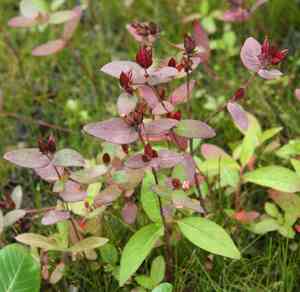
For fraser's marsh St. John's wort, transferring from mid to late spring is ideal, capitalizing on optimal growth conditions. Choose a moist site with partial sun, and when transplanting, ensure the root ball stays intact to promote a smooth transition.
What Preparations are Needed Before Transplanting Fraser's Marsh St. John's Wort?
What is the Ideal Time for Transplanting Fraser's Marsh St. John's Wort?
Transplanting fraser's marsh St. John's wort when the frost is just a memory, from the heart of spring until the doorstep of summer, offers the best start. This time allows fraser's marsh St. John's wort to establish itself during the longer days and mild temperatures, providing it with the strength it requires before the heat of summer sets in. Embracing this period for transplanting not only aligns with the plant's natural growth cycle, but it also ensures a seamlessly harmonious transition into your garden oasis.
How Much Space Should You Leave Between Fraser's Marsh St. John's Wort Plants?
Hey there, green thumb! When you're ready to welcome fraser's marsh St. John's wort into your garden family, remember to give them room to thrive. Aim for a cozy spacing of about 24-30 inches (61-76 cm) between each plant. This way, they'll have ample space to spread their roots and flourish!
What is the Best Soil Mix for Fraser's Marsh St. John's Wort Transplanting?
For the happiest fraser's marsh St. John's wort, think of preparing a bed that's like a comfy mattress! You want to mix in some rich, well-drained soil with a pinch of peat moss to keep it moist. Add a gentle, all-purpose fertilizer to give your fraser's marsh St. John's wort a nutritious start. It's like a warm welcome for your new green friends!
Where Should You Relocate Your Fraser's Marsh St. John's Wort?
Finding the perfect sunny spot for your fraser's marsh St. John's wort is like picking a favorite lounge chair! These lovelies enjoy a place that receives partial to full sunshine â a bright area where they can bask in the rays for a good part of the day. Think of a place thatâs glowing and cheerful, but not scorching hot!
What Equipments Should You Prepare Before Transplantation Fraser's Marsh St. John's Wort?
Gardening Gloves
To protect your hands while working with the soil and plant.
Spade or Shovel
For digging around and under the plant to lift it with the root ball intact.
Garden Fork
To loosen the soil around the plant's root zone if necessary.
Pruning Shears
For snipping away dead or damaged roots or foliage with precision.
Watering Can or Hose with a Gentle Spray Attachment
For watering the fraser's marsh St. John's wort before and after transplanting.
Wheelbarrow or Tarp
To transport the fraser's marsh St. John's wort and its soil without making a mess.
Measuring Tape
To measure the appropriate spacing between plants.
How Do You Remove Fraser's Marsh St. John's Wort from the Soil?
How Do You Remove Fraser's Marsh St. John's Wort from the Soil?
From Ground: Water the fraser's marsh St. John's wort thoroughly before starting, to make the soil easier to work with. Carefully dig a generous perimeter around the plant with a spade or shovel, going far enough out to avoid cutting into the root ball. Gently work your tool under the plant to lift it, keeping as much soil attached to the roots as possible.From Pot: Begin by watering the soil in the pot to help the roots slide out more easily. Tilt the pot to the side and gently tap or squeeze its sides to loosen the fraser's marsh St. John's wort. Carefully slide the plant out, supporting the root ball with your hand to prevent it from crumbling.From Seedling Tray: Make sure the soil is moist and use a small tool, like a dibber or a fork, to lift the seedling out from the tray while preserving the root structure. Handle the seedling by the leaves rather than the stem to avoid damage.
Step-by-Step Guide for Transplanting Fraser's Marsh St. John's Wort
Preparation
Gather all the required tools and make sure the new planting site is ready for your fraser's marsh St. John's wort.
Removal
Follow the removal process based on where your fraser's marsh St. John's wort is currently growing, carefully preserving the root ball.
Transit
Move the fraser's marsh St. John's wort to the new location using a wheelbarrow or tarp to keep the plant and roots intact and reduce mess.
Planting Hole
Dig a hole in the ground that's twice as wide as the root ball and just as deep, to give the roots plenty of room to spread.
Placement
Place your fraser's marsh St. John's wort in the center of the hole, making sure itâs at the same level it was growing before. Adjust the depth if necessary.
Refilling
Backfill the hole with soil, gently firming it down around the roots to eliminate air pockets and provide support.
Watering
Water the fraser's marsh St. John's wort generously after planting to settle the soil and help reduce transplant shock.
Mulching
Apply a layer of mulch around the base of your fraser's marsh St. John's wort, keeping it away from the stem to prevent rot.
How Do You Care For Fraser's Marsh St. John's Wort After Transplanting?
Monitoring
Check on your fraser's marsh St. John's wort daily, looking for signs of stress such as wilting or discolored foliage.
Watering
Ensure the soil remains evenly moist as the fraser's marsh St. John's wort establishes itself. Over the first few weeks, water deeply to encourage root growth.
Mulching
Maintain a layer of mulch around your fraser's marsh St. John's wort to help retain soil moisture and regulate temperature extremes.
Support
If your fraser's marsh St. John's wort is tall or top-heavy, provide support with stakes or ties to prevent it from bending or breaking.
Pruning
Trim off any damaged or broken stems to focus the fraser's marsh St. John's wort's energy on root establishment and new growth.
Troubleshooting Common Issues with Fraser's Marsh St. John's Wort Transplantation.
When's the best time to transplant fraser's marsh St. John's wort?
The sweet spot for transplanting fraser's marsh St. John's wort is from mid to late spring, when the soil is warm and workable.
How far apart should I space fraser's marsh St. John's wort when transplanting?
Give each fraser's marsh St. John's wort about 24-30 inches (61-76 cm) of space to flourish and spread.
What soil conditions favor fraser's marsh St. John's wort during transplanting?
Aim for moist, well-draining soil with a good mix of organic matter for best transplant success.
How much sun does fraser's marsh St. John's wort need after transplanting?
Find a spot with full to partial sun exposure to keep your fraser's marsh St. John's wort happy post-transplant.
What's the ideal depth for transplanting fraser's marsh St. John's wort?
Dig a hole that allows fraser's marsh St. John's wort's root ball to nestle in level with the surrounding soil surface.
Should I water fraser's marsh St. John's wort immediately after transplanting?
Yes, give fraser's marsh St. John's wort a generous drink to help settle the soil around the roots and reduce stress.
How can I minimize transplant shock for fraser's marsh St. John's wort?
Ensure youâre transplanting on a cloudy day or in the evening and water well to ease transition.
Can I use fertilizer when transplanting fraser's marsh St. John's wort?
Wait a few weeks post-transplant before fertilizing to allow fraser's marsh St. John's wort to adjust to its new home.
How do I handle fraser's marsh St. John's wort roots when transplanting?
Gently spread the roots out in the hole to encourage outward growth and prevent tangling.
Is mulching beneficial for fraser's marsh St. John's wort after transplanting?
A layer of mulch can help preserve moisture and regulate soil temperature for fraser's marsh St. John's wort post-transplant.



