The Fraser's marsh St. John's wort Plant Advantage: Maximizing Home and Office Appeal and Wellness
1
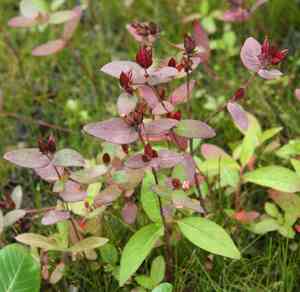
Fraser's marsh St. John's wort is recognized for its attractive, petite, pink blossoms that draw in beneficial insects.
2
It flourishes in damp environments, offering vital living space for diverse animal populations.
3
The foliage of Fraser's marsh St. John's wort provides an organic solution for certain garden nuisances.
What Makes Fraser's marsh St. John's wort Special?
Aesthetic Value
Fraser's marsh St. John's wort adds a unique, striking beauty to any garden or wetland with its small, delicate, pink flowers. These blooms provide a burst of color from summer to early fall, making it a favorite for those wanting to enhance their landscapes' visual appeal. Its vibrant hue can be a focal point or blend with other native plants, creating a stunning natural display.
Ecological Importance
Beyond its appearance, Fraser's marsh St. John's wort plays a vital role in wetland ecosystems. It's often found in bogs, marshes, and other wet habitats, where it significantly contributes to these environments' overall health. It's a beneficial nectar source for bees and butterflies, thus promoting pollination crucial for ecosystem balance. Also, as a habitat provider, the plant supports various wildlife species, playing an indispensable part in maintaining biodiversity.
How Does Fraser's marsh St. John's wort Benefit Your Garden?
Natural Pest Control
Gardeners will appreciate that Fraser's marsh St. John's wort can act as a natural deterrent against certain pests. Its leaves possess properties that some garden pests find unappealing, serving as a natural protector for nearby plants. This can lessen the need for chemical pesticides, leading to a more organic and healthy gardening approach.
Low Maintenance Needs
Fraser's marsh St. John's wort is relatively simple to cultivate and care for. It thrives in wet, sunny to partially shaded conditions and requires minimal intervention once established. This makes it an excellent choice for gardeners seeking a plant that offers both beauty and practicality without demanding excessive time or resources.
Can Fraser's marsh St. John's wort Improve Soil Health?
Soil Stabilization
Fraser's marsh St. John's wort can play a crucial role in soil stabilization, especially in wetland areas prone to erosion. Its root system helps to bind the soil, reducing erosion and fostering a more stable environment. This makes it incredibly valuable for conservation projects aimed at protecting wetland areas from degradation.
Nutrient Cycling
The plant also contributes to nutrient cycling in its habitat. By drawing up nutrients from deeper soil layers and then returning them through leaf litter and decaying plant material, Fraser's marsh St. John's wort can help enrich the surface soil, making it more fertile and promoting the growth of various plant species in the vicinity.
What Are the Ideal Growing Conditions for Fraser's marsh St. John's wort?
Preferred Climate
Fraser's marsh St. John's wort flourishes in temperate climates, particularly in areas with consistent moisture and cool to mild temperatures. It is well-adapted to North America's climate, where it grows wild in wetlands and alongside streams and ponds. Understanding its natural habitat can help gardeners recreate the ideal conditions necessary for it to thrive.
Planting Tips
To ensure successful growth, it's important to plant Fraser's marsh St. John's wort in an area that closely mimics its natural habitat. Choose a location with full to partial sunlight and ample moisture. Ideally, the soil should be rich in organic matter and well-draining to prevent waterlogging. Regular watering, especially during dry spells, will help maintain its health and vibrancy.
How Can Fraser's marsh St. John's wort Enhance Biodiversity?
Supporting Pollinators
Fraser's marsh St. John's wort is a magnet for pollinators, offering nectar and pollen that attract bees, butterflies, and other beneficial insects. By planting Fraser's marsh St. John's wort in your garden, you can help support these vital creatures and promote a thriving, dynamic ecosystem. This is especially important in modern times when pollinator populations are under threat from various environmental pressures.
Promoting Wildlife
In addition to pollinators, Fraser's marsh St. John's wort supports a range of other wildlife, including birds and small mammals that find shelter and sustenance within its habitat. By integrating Fraser's marsh St. John's wort into your garden or local wetland restoration projects, you contribute to creating a haven for a diverse array of species, thereby enhancing the ecological richness of the area.



