How to Prune Fraser's marsh St. John's wort?
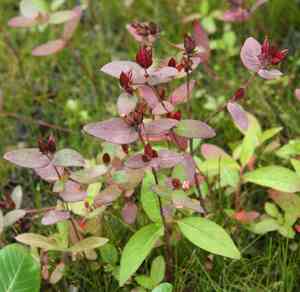
This enduring aquatic plant flourishes in marshy environments. For fraser's marsh St. John's wort, remove withered or compromised stalks in early spring to preserve its vitality and form. Throughout the summer, cut back after blossoms fade to stimulate fresh development. Trimming during these periods corresponds with its active development stage and fosters abundant flowering. Refrain from autumn pruning to permit seed production for wildlife nourishment and to sustain visual appeal during winter. The advantages of pruning encompass revitalization and the prevention of excessive growth, guaranteeing fraser's marsh St. John's wort continues as an appealing ecological element.
What Are the Benefits of Pruning Fraser's Marsh St. John's Wort?
What Are the Benefits of Pruning Fraser's Marsh St. John's Wort?
Trimming fraser's marsh St. John's wort encourages development and maintains its desired form, ensuring a robust, attractive plant that fits well in its allocated space.
What Is the Best Time for Pruning Fraser's Marsh St. John's Wort?
What Is the Best Time for Pruning Fraser's Marsh St. John's Wort?
Trimming fraser's marsh St. John's wort from late winter to early spring, before new growth emerges, is optimal as it minimizes stress and promotes vigorous development. This timing helps preserve its shape, stimulate blooming, and eliminate any dead or damaged stems from winter, allowing the plant to efficiently allocate resources for the upcoming growing season. Avoid pruning in late summer to prevent disrupting the formation of buds that will flower next season.
What Tools Do I Need to Prune Fraser's Marsh St. John's Wort?
Bypass Pruners
These are suitable for making precise cuts on fraser's marsh St. John's wort's thinner stems and small branches, as they create a clean cut crucial for the plant's well-being.
Hand Shears
If precise shaping of fraser's marsh St. John's wort is required, hand shears offer the gardener greater control over the cutting process, which is important for the plant's aesthetic upkeep.
Lopping Shears
For branches that are somewhat thicker and beyond the capacity of hand pruners, lopping shears are the next step up for cutting branches with more leverage and less effort.
Pruning Saw
When fraser's marsh St. John's wort has developed branches too thick for shears, a pruning saw is essential for a clean cut without harming the plant.
How to Prune Fraser's Marsh St. John's Wort
Clean tools
Before beginning, sanitize your pruning shears or scissors with alcohol to prevent the spread of diseases to fraser's marsh St. John's wort.
Remove diseased parts
Carefully cut away any diseased leaves or stems from fraser's marsh St. John's wort, ensuring complete removal to prevent infection spread. Properly dispose of these parts.
Trim withered leaves
Remove any withered or dead leaves from fraser's marsh St. John's wort to maintain its appearance and direct energy towards healthy growth. Cut these parts back to the base or to the next healthy leaf node.
Thin dense growth
Thin out dense growth in fraser's marsh St. John's wort by selectively removing some inner stems. This will enhance air circulation and light penetration, reducing disease potential.
Clean up
After completing the pruning of fraser's marsh St. John's wort, ensure the area is cleaned by removing all trimmings and fallen debris around the plant to deter pests and diseases.
Common Pruning Mistakes with Fraser's Marsh St. John's Wort
Overpruning
Removing too much foliage from fraser's marsh St. John's wort at once can stress the plant, leading to reduced flowering or even plant demise.
Using dull tools
Pruning with dull or unclean tools can result in jagged cuts susceptible to disease and potentially harm fraser's marsh St. John's wort's health.
Neglecting dead or diseased stems
Failing to regularly remove dead or diseased stems can hinder fraser's marsh St. John's wort's growth and propagate plant diseases.
Pruning without a plan
Random or excessive pruning without understanding fraser's marsh St. John's wort's growth pattern can lead to an unbalanced shape and diminished vigor.
Ignoring plant shape
Not considering the natural shape of fraser's marsh St. John's wort during pruning might result in an aesthetically unpleasing plant that doesn't flower as effectively.
Common Pruning Tips for Fraser's Marsh St. John's Wort
Sanitize pruning tools
Always sanitize your pruning tools before and after use to prevent the spread of disease to or from fraser's marsh St. John's wort.
Make clean cuts
Ensure that cuts are clean and at a 45-degree angle to promote good healing and prevent water accumulation that could cause rot.
Prune for shape and health
Prune fraser's marsh St. John's wort to maintain its natural shape and to remove dead or diseased stems, which encourages healthy growth and better flowering.
Thin out dense areas
Thin out dense areas to improve air circulation and light penetration within fraser's marsh St. John's wort's foliage, which is vital for preventing disease and encouraging blooms.
Prune to engender new growth
Lightly prune fraser's marsh St. John's wort to stimulate new growth, as this can help enhance flowering by allowing the plant to redirect its energy.



