How to Transplant Japanese torreya?
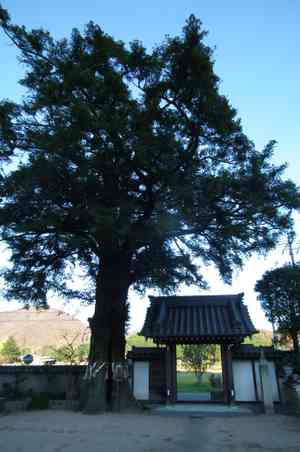
Japanese torreya ideally flourishes when relocated during the serene period of early to mid-winter, leveraging its dormant state to lessen shock. Select protected spots with soil that drains effectively for optimal rooting.
What Preparations are Needed Before Transplanting Japanese Torreya?
What is the Ideal Time for Transplanting Japanese Torreya?
The beginning of early to mid-winter is the prime period for moving japanese torreya, as this time offers a dormant phase for this perennial, minimizing plant stress. Settling japanese torreya into its new spot during this cooler season allows ample time for root establishment without extreme temperatures. A helpful hint: this approach leads to a vigorous spring resurgence, setting the stage for a flourishing growth cycle.
How Much Space Should You Leave Between Japanese Torreya Plants?
When designing your garden, ensure a separation of approximately 8-10 feet (2.4-3 meters) between each japanese torreya. This provides sufficient room for the plants to develop and spread without impeding each other's growth.
What is the Best Soil Mix for Japanese Torreya Transplanting?
For your japanese torreya, utilize soil that drains well. Incorporating a generous amount of organic compost as a foundational fertilizer will be advantageous. It will enrich the soil and supply adequate nutrients, fostering healthy development.
Where Should You Relocate Your Japanese Torreya?
Locate a spot where your japanese torreya receives partial sunlight; they do not prefer excessive direct sun exposure. Morning sun with afternoon shade is optimal. Remember, sunlight plays a crucial role in plant development!
What Equipments Should You Prepare Before Transplantation Japanese Torreya?
Gardening Gloves
To safeguard your hands while handling the soil and japanese torreya.
Shovel or Spade
For excavating the hole where you intend to move the plant and for carefully extracting the plant from its current location.
Garden Trowel
This hand tool assists in digging smaller holes and in working with the plant more intimately.
Watering Can
Necessary for moistening the soil and roots, both prior to and following the transplant.
Pruning Shears
Required to trim any damaged or unhealthy roots and branches before the relocation.
How Do You Remove Japanese Torreya from the Soil?
How Do You Remove Japanese Torreya from the Soil?
From Ground: Begin by watering your japanese torreya plant until the soil is adequately moist. Be careful not to overwater, as this could harm the plant. Use a spade or shovel to dig a wide trench around the japanese torreya, ensuring you do not disturb the root ball. Gradually dig beneath the root ball, then lift the plant from the ground. Take care not to damage the surrounding roots as you extract the plant.From Pot: If your japanese torreya plant is container-grown, the removal process is simpler. Water the plant until the soil is damp. Then gently invert the pot and tap the bottom to encourage the plant and its soil to slide out. Be careful not to tug or pull forcefully on the plant itself.From Seedling Tray: Water the tray and then carefully remove the seedling, making sure not to harm the root system. A small trowel or similar implement can be very helpful in this process.
Step-by-Step Guide for Transplanting Japanese Torreya
Preparing the Plant
Once you've safely extracted the japanese torreya from its original spot, inspect for any damaged roots or branches. Using your pruning shears, remove any problematic sections you find.
Preparing the Hole
Use a shovel or spade to excavate a hole that is twice as wide and as deep as the root ball of your japanese torreya plant.
Transplanting
Place the japanese torreya into the hole. Position the plant so its root ball is level with or slightly below the ground surface, then backfill with soil. Press the soil firmly enough around the plant to secure it, but not so hard as to compact it.
Watering
Immediately after transplanting, thoroughly water your japanese torreya. This helps to settle the soil and hydrate your plant.
How Do You Care For Japanese Torreya After Transplanting?
Monitoring
Observe your japanese torreya closely in the weeks following the transplant. Relocation can be stressful for plants, and careful observation can help you address any potential issues promptly.
Watering
Continue to keep the soil moist. Excessive watering can be as detrimental as insufficient watering, so maintain a proper balance.
Pruning
Regularly prune the japanese torreya plant. This will improve the plant's health and encourage denser foliage.
Troubleshooting Common Issues with Japanese Torreya Transplantation.
When is the ideal time to transplant japanese torreya?
The optimal time to transplant japanese torreya is during the season 10-11. This is when the plant is most likely to thrive after relocation.
What's the ideal spacing for japanese torreya during transplantation?
Always consider an 8-10 feet (2.4-3 meters) distance between each japanese torreya during transplantation. Adequate spacing ensures optimal growth and development.
What are the signs of a successful japanese torreya transplantation?
A successful transplantation of japanese torreya is indicated by new leaves and shoots emerging. Also, the plant standing upright signifies strong root establishment.
What should I do if the transplanted japanese torreya is wilting?
Japanese torreya may wilt due to transplant shock. Consistent watering, avoiding direct sunlight, and temporarily reducing fertilization usually aids its recovery.
Why aren't there any new shoots on my transplanted japanese torreya?
If your transplanted japanese torreya isn't producing new shoots, it could be due to insufficient sunlight, water, or nutrient stress. Consider adjusting these factors.
How to fix leaf yellowing in transplanted japanese torreya?
Yellowing leaves often suggest a nutrient deficiency. Try a balanced, slow-release fertilizer. If conditions persist, a soil test might be necessary.
Can I transplant japanese torreya in a pot?
Absolutely! Japanese torreya can be container-grown, but ensure to use a pot that's large enough to accommodate its growth, ideally 8-10 feet (2.4-3 meters) in diameter.
Is it necessary to prune japanese torreya after transplantation?
Pruning isn't required immediately after transplantation. Allow japanese torreya to recover first. Pruning can be stressful if performed concurrently with relocation.
How long does japanese torreya take to establish after transplant?
Typically, japanese torreya will take a few weeks to overcome transplant shock. Once it establishes, you'll notice fresh leaves and new shoots.
How often should I water the newly transplanted japanese torreya?
Water the newly transplanted japanese torreya thoroughly after planting and then maintain consistent moisture levels. Adjust based on soil dryness and weather conditions.



