How to Prune Japanese torreya?
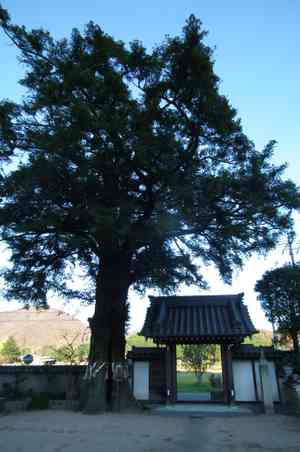
A coniferous evergreen featuring notably pointed needles, japanese torreya thrives with judicious trimming during its winter resting phase. Remove lifeless or frail limbs to preserve its form and vigor. Severing branches just above the growth points fosters more abundant foliage. Refrain from excessive pruning, as this can result in sparse development. Pruning not only sculpts japanese torreya but also deters ailments by improving air movement. Precise cuts on juvenile trees establish a robust foundational structure for subsequent development.
What Are the Benefits of Pruning Japanese Torreya?
What Are the Benefits of Pruning Japanese Torreya?
Trimming japanese torreya can encourage robust new development and help maintain a desired form. Strategic cuts improve the plant's structure and vigor, fostering a strong, visually appealing shape.
What Is the Best Time for Pruning Japanese Torreya?
What Is the Best Time for Pruning Japanese Torreya?
Pruning japanese torreya from late winter to early spring is ideal as the plant remains dormant, minimizing stress and sap loss. This timing also precedes new growth, allowing cuts to heal rapidly with the start of the growing season. Trimming before the spring growth spurt enables shaping without affecting flowering or fruiting, as japanese torreya typically develops these later. Additionally, the absence of leaves offers better visibility of the plant's structure, leading to more precise cuts. Avoiding fall pruning reduces the risk of new shoots being damaged by early frosts.
What Tools Do I Need to Prune Japanese Torreya?
Bypass Pruners
For accurate and clean cuts on japanese torreya's smaller branches, bypass pruners are perfect due to their sharp, curved blades that allow close cuts without harming the plant.
Pruning Saws
When dealing with japanese torreya's thicker branches, a pruning saw is essential. Its serrated edge easily cuts through wood, making it suitable for branches too large for pruners.
Loppers
For branches that are slightly out of reach or need extra leverage, loppers are an excellent tool for japanese torreya. Their long handles allow gardeners to prune without overextending.
Hedge Shears
Should japanese torreya require shaping or trimming of foliage and small branches, hedge shears provide the uniform cut needed for aesthetic upkeep.
How to Prune Japanese Torreya
Select Tools
Choose appropriate pruning tools for japanese torreya, such as sharp, sanitized pruning shears or a saw for larger branches.
Identify Dead
Inspect japanese torreya to locate all dead branches, which may appear dry, brittle, and lacking live foliage.
Remove Dead
Prune dead branches of japanese torreya at their point of origin or back to a healthy lateral branch, making clean cuts without damaging the collar.
Identify Diseased
Identify diseased branches of japanese torreya by looking for signs of infection or damage, such as discoloration, cankers, or unusual growths.
Remove Diseased
Carefully remove any diseased branches from japanese torreya by cutting well below the affected area to prevent disease spread.
Common Pruning Mistakes with Japanese Torreya
Over-pruning
Removing too much foliage from japanese torreya at once can stress the tree, making it vulnerable to diseases and pests.
Pruning healthy wood
Unnecessarily cutting away healthy wood can diminish japanese torreya's overall vigor and growth potential.
Flush cutting
Making flush cuts against the trunk can harm japanese torreya as it removes the branch collar, vital for proper wound healing.
Excessive thinning
Thinning japanese torreya too much can lead to sunburn on branches and the trunk, as well as poor air circulation that may encourage fungal diseases.
Improper tool use
Using dull or dirty tools for pruning can cause jagged cuts that are difficult for japanese torreya to heal and can introduce disease.
Ignoring disease management
Not sanitizing tools between cuts on different plants or parts of japanese torreya can spread diseases.
Common Pruning Tips for Japanese Torreya
Sharp tools
Use sharp, clean pruning shears or saws to make clean cuts that japanese torreya can heal quickly and properly from.
Strategic thinning
Thin out crowded branches selectively to promote good air circulation and light penetration within japanese torreya's canopy.
Prune for structure
Focus on removing crossing or rubbing branches to maintain a strong, well-spaced framework for japanese torreya.
Remove dead or diseased wood
Regularly prune away dead, dying, or diseased branches to prevent decay organisms from infesting japanese torreya.
Protect the branch collar
When removing a branch, cut just outside the branch collar to promote fast and proper healing and maintain the health of japanese torreya.
Pruning for rejuvenation
Perform moderate pruning to encourage new growth on japanese torreya, but do so in moderation to avoid shocking the plant.



