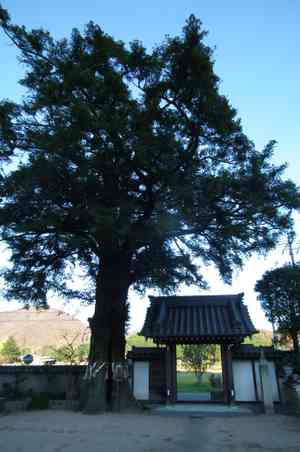
Japanese torreya (Torreya nucifera)
Also known as: Kaya
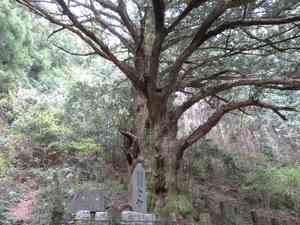
The wood from the Japanese Torreya, also known as the Kaya tree, is traditionally used for crafting boards for the East Asian games Go and Shogi. This slow-growing conifer holds significant cultural and historical value in Japan and is often protected by law. A notable example of its historical importance is a 600-year-old specimen located near Nagoya Castle, underscoring its deep-rooted presence in Japanese heritage.
In This Article
Attributes of Japanese torreya
Lifespan
Perennial
Plant Type
Tree
Plant Height
4.5 m to 9 m
Spread
3 m to 4.5 m
Leaf Color
Dark green
Flower Size
5 mm to 1.5 cm
Flower Color
N/A (Gymnosperm: does not have typical flowers)
Images of Japanese torreya
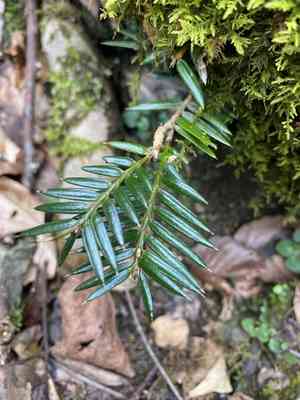
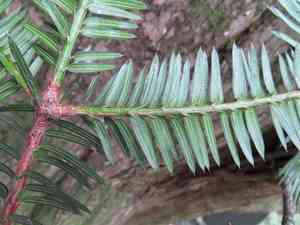
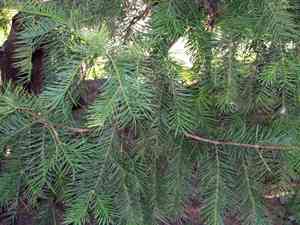
Quickly Identify Japanese torreya
1
Look for a coniferous tree with dark green, glossy, needle-like leaves arranged in a spiral pattern. The seeds are enclosed in a fleshy fruit, resembling small green or purplish nuts.
Scientific Classification of Japanese torreya
Phylum
Vascular plants
Class
Conifers
Order
Pines and allies
Family
Yew
Genus
Nutmeg yews
Species
Japanese torreya
Planting and Growing of Japanese torreya
Care Difficulty
Hard
Watering Schedule
Every 2 days
Sunlight Requirements
Full sun
Sunshine Duration
6-10 hours
Ideal Temperature
50-68℉
Soil Type
Potting Mix, Peat Mix
Soil pH
6.5-7.5
Fertilizer Type
Balanced
Pruning Season
Spring, Summer
Pruning Area
Branches, Leaves
Pruning Frequency
2 times a year
Repotting Season
Spring
Pot Type
Plastic, Ceramic
 How to Water Japanese torreya?
Torreya nucifera appreciates a consistent watering routine. Water the plant until the top 4 inches of soil are thoroughly moist, ensuring excess water drains away to prevent root rot. The key principle is to maintain a balance, keeping the soil consistently moist but never waterlogged.
What are the symptoms of an underwatered Japanese torreya?
›
What should I do if my Japanese torreya is not getting enough water?
›
What are the symptoms of an overwatered Japanese torreya?
›
How to save an overwatered Japanese torreya?
›
 What Are the Sunlight Requirements for Japanese torreya?
Torreya nucifera flourishes with partial to full sun exposure. Maintaining this balance throughout the day supports its growth requirements, ensuring vibrant foliage and structural sturdiness.
More About Sunlight Requirements Techniques→
How much light does Torreya nucifera prefer?
›
Solutions to achieve ideal lighting conditions for Torreya nucifera.
›
What benefits come from Torreya nucifera getting ideal light?
›
 What Is the Ideal Temperature Range for Japanese torreya?
The ideal temperature range for growing Torreya nucifera is between 50°F and 68°F. This range provides the necessary warmth for optimal photosynthetic activity while avoiding the stress that extreme temperatures can induce. Maintaining this temperature range ensures robust growth, healthy foliage, and optimal seed production.
 What Soil is Best for Japanese torreya?
Torreya nucifera thrives in nutrient-rich soil, as it supports lush foliage and robust growth. The integration of organic matter such as compost or well-rotted manure can significantly enhance soil fertility, providing essential nutrients like nitrogen, phosphorus, and potassium, which are critical for the plant's overall health and resistance to diseases. Well-draining soil is essential for preventing root rot in Torreya nucifera. Ensuring the soil has adequate drainage helps maintain the roots' health by avoiding waterlogged conditions which can lead to fungal infections. Amending the soil with coarse sand or perlite can effectively enhance drainage, safeguarding the plant's root system. Torreya nucifera prefers soil that is slightly acidic to neutral, with a pH range of 6.5 to 7.5. This pH range facilitates optimal nutrient availability, particularly micronutrients like iron and manganese, which are essential for chlorophyll production and overall plant vigor. Regular soil testing can help in monitoring and adjusting soil pH to meet this requirement.
 How to Fertilize Japanese torreya?
For Torreya nucifera, use a balanced 10-10-10 liquid fertilizer, diluting it to half strength. Apply about 50ml of this solution per plant, ensuring even soil moisture and avoiding fertilizer runoff.
 How to Prune Japanese torreya?
Begin by inspecting the tree for any dead or diseased branches. Use clean, sharp secateurs to make precise cuts at a 45-degree angle. Focus on thinning out congested areas to improve air circulation. Retain the natural shape of the tree while removing branches that cross or rub against each other. This encourages the development of a sturdy, well-balanced structure. Torreya nucifera has a natural pyramidal form that can be enhanced with careful trimming. Start by identifying the central leader and prune any competing vertical shoots. Cut back lateral branches that disrupt the desired shape, always cutting just above a bud facing the direction you wish the new growth to take. The goal is to accentuate the tree's elegant shape while maintaining its natural grace.
More About Pruning Techniques→
 How to Propagate Japanese torreya plant?
1
Gather seeds from mature Torreya nucifera cones in late autumn. Ensure the seeds are ripe and healthy for better germination rates and store them in a cool, dry place if not planting immediately.
2
Select healthy rootstock and scion wood, making sure both are disease-free. Align the cambiums carefully to ensure a strong bond and successful grafting process in the early summer.
3
Sow the seeds in a well-draining growing medium, placing them about half an inch deep. Maintain consistent moisture and provide indirect sunlight to encourage germination, which should occur within a few months.
 How to Repot Japanese torreya plant?
1
Torreya nucifera should be repotted when you notice roots growing out of the drainage holes or circling the soil's surface. Another indicator is if the water is not being absorbed as efficiently, indicating compacted soil.
2
Select a pot that is 1-2 inches larger in diameter than the current one. This provides ample space for root expansion without overwhelming the plant with too much soil, which can retain excess moisture.
3
Opt for a well-draining acidic potting mix that usually contains components like peat moss, perlite, and pine bark. This soil type supports Torreya nucifera by preventing water-logging and mimicking its natural habitat.



