How to Transplant Piggyback Plant?
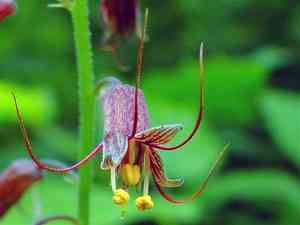
Relocating the piggyback Plant is most successful in the mild period of mid-to-late spring, allowing for excellent root development. Select a shaded spot with damp earth. During the move, guarantee minimal disruption to the roots for a smooth adjustment.
What Preparations are Needed Before Transplanting Piggyback Plant?
What is the Ideal Time for Transplanting Piggyback Plant?
The best time to move piggyback Plant is during the core of spring, specifically from mid- to late spring, which is an excellent period for root establishment. Relocating piggyback Plant during this active growth phase ensures a smooth transition, allowing the plant to adjust and thrive in its new spot before the full intensity of summer heat. A helpful hint: carefully moving piggyback Plant at this time promotes strong growth, aligning with nature's cycle of renewal.
How Much Space Should You Leave Between Piggyback Plant Plants?
Before moving piggyback Plant, ensure you have adequate garden space. Ideally, aim to position each plant 1-2 feet or approximately 30-60 centimeters apart. This provides ample room for growth without competition from nearby plants. Happy gardening!
What is the Best Soil Mix for Piggyback Plant Transplanting?
Piggyback Plant flourishes in rich, well-draining soil. A combination of peat moss, compost, and coarse sand can work wonderfully. Before transplanting, mix a balanced slow-release fertilizer into the base soil. This will give your new plants a nutritious start!
Where Should You Relocate Your Piggyback Plant?
Piggyback Plant prefers locations with partial to full shade. Avoid areas with intense direct sunlight for most of the day. A spot receiving morning sun followed by afternoon shade would be perfect. Find the right location, and your piggyback Plant will thrive!
What Equipments Should You Prepare Before Transplantation Piggyback Plant?
Gardening Gloves
To safeguard your hands from dirt and potential scrapes or cuts while handling the piggyback Plant.
Shovel or spade
To excavate the plant from the ground or container.
Garden Trowel
To assist in handling the plant more delicately if it's in a seedling tray.
Wheelbarrow
To transport the plant and its soil to its new position.
Garden Hose or Watering Can
To irrigate the piggyback Plant after transplantation.
Mulch
To help maintain soil moisture around the piggyback Plant after planting.
How Do You Remove Piggyback Plant from the Soil?
How Do You Remove Piggyback Plant from the Soil?
From Ground: First, water the piggyback Plant thoroughly to moisten the surrounding soil. Use a shovel to dig a wide circle around the plant, keeping a safe distance to avoid damaging the roots. Gently work the spade beneath the root ball and carefully lift the plant from the soil. From Pot: Water the piggyback Plant to facilitate loosening the roots. Invert the pot while supporting the plant, then gently tap the pot's sides and rim to dislodge the soil and roots. From Seedling Tray: Water the piggyback Plant first, similarly to ensure roots can be easily loosened and extracted. Hold the plant's base and carefully lift it, being cautious not to harm the delicate young roots.
Step-by-Step Guide for Transplanting Piggyback Plant
Preparation
Prepare the new planting site. Dig a hole twice the size of the piggyback Plant's root ball. Ensure the hole is deep enough so the plant's base will be level with or slightly above the surrounding soil once planted.
Transplanting
Transport the piggyback Plant using the wheelbarrow to its new location. Gently place the plant into the hole, ensuring the roots are fully extended.
Filling
Backfill the hole with soil, gently firming it with your hands to eliminate large air pockets.
Watering
Water the plant thoroughly to help it settle into the soil. Confirm the soil has adequate drainage.
Mulching
Finally, spread mulch around the base of the piggyback Plant to inhibit weed growth and conserve moisture.
How Do You Care For Piggyback Plant After Transplanting?
Pest control
Regularly inspect the piggyback Plant for indications of pests or disease. Early detection leads to more effective and less harmful interventions for the plant.
Pruning
Remove any dead or dying leaves to help your piggyback Plant direct its energy towards new growth. Be gentle when pruning, as piggyback Plants are delicate.
Weather conditions
Piggyback Plant is susceptible to extreme cold. During winter, consider adding a layer of mulch or, if possible, moving the plant to a warmer spot.
Repotting
If piggyback Plant outgrows its current space or isn't thriving, it may require repotting or relocation to a larger area. Monitor regularly and adjust as needed.
Troubleshooting Common Issues with Piggyback Plant Transplantation.
What's the favorable season for transplanting piggyback Plant?
Piggyback Plant is best transplanted during the 'S2-S3' season. In simpler terms, this is late spring to early summer.
How much space should I leave between piggyback Plant plants while transplanting?
For robust growth, piggyback Plant needs 1-2 feet (30-60 cm) of space between each plant. This prevents overcrowding and supports strong development.
Does piggyback Plant require any specific soil type while transplanting?
Piggyback Plant is not particular about soil types. However, well-draining soil enriched with organic matter can help the plant flourish.
Should I water piggyback Plant immediately after transplanting?
Yes, always water piggyback Plant generously right after transplanting. This helps settle the soil around the roots and eliminate air pockets.
Do I need to prune piggyback Plant before transplanting?
You can lightly prune piggyback Plant before transplanting to reduce stress and encourage the plant's energy to focus on root development.
How deep should I plant piggyback Plant while transplanting?
When transplanting, the piggyback Plant's rootball should be placed at the same depth in the ground as it was in its previous container.
Does piggyback Plant need to acclimate to its new location after transplantation?
Yes, piggyback Plant will benefit from a period of adjustment. Gradually expose it to its new environment to minimize stress and promote growth.
Are there any specific pests or diseases to check for when transplanting piggyback Plant?
Piggyback Plant is generally resilient, but check for common pests like aphids or diseases such as leaf spot in the period following transplantation.
How to care for piggyback Plant after transplanting?
After transplanting, maintain moderate watering and observe the plant's health. Additionally, a liquid feed following a consistent schedule can be beneficial.
What light condition is best for piggyback Plant post-transplanting?
Piggyback Plant prefers bright, yet indirect light after transplantation. However, it can adapt to lower light conditions if introduced gradually.



