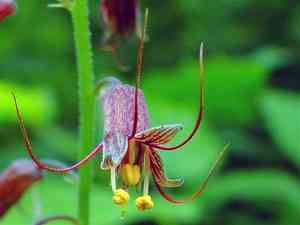
Piggyback Plant (Tolmiea menziesii)
Also known as: Youth on Age, Thousand Mothers, Bristle Flower, Curiosity Plant, Piggy Back Plant, Piggy-back Plant
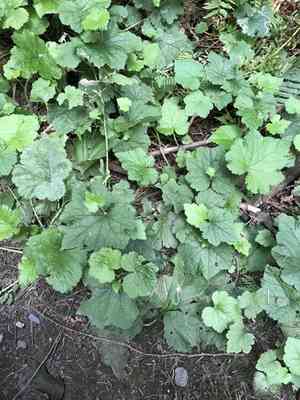
The name "Piggyback Plant" for Tolmiea menziesii comes from the small leaflets that grow at the base of larger leaves, resembling one plant riding on another. This plant thrives both outdoors in gardens and indoors as a hanging plant. It features distinctive chocolate-purple flowers. In nature, it is commonly found in moist pine forests and along the edges of streams.
In This Article
Attributes of Piggyback Plant
Lifespan
Perennial
Plant Type
Herb
Plant Height
30 cm to 76 cm
Spread
50 cm
Leaf Color
Green
Flower Size
6 mm to 1.02 cm
Flower Color
Green Brown Purple Red
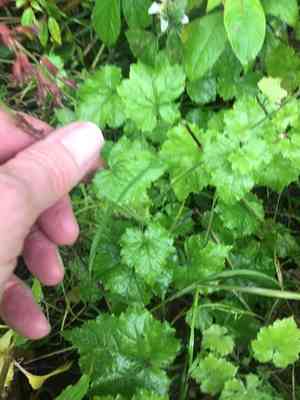
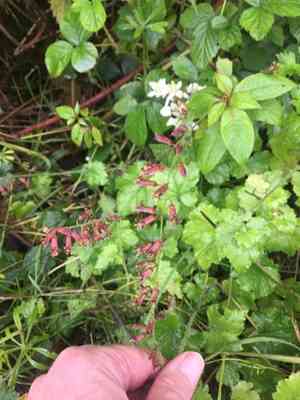
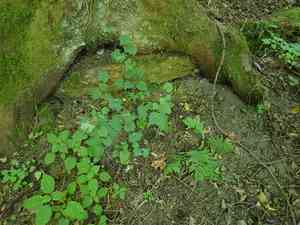
Images of Piggyback Plant
Quickly Identify Piggyback Plant
1
Maple leaf-shaped foliage forming thick ground cover up to 1 foot (30 cm) tall.
2
Distinct tubular purplish-brown flowers in discreet racemes attracting pollinators.
3
Emergent plantlets at leaf junctions propagate via autonomous rooting.
4
Hairy-textured, vibrant green leaves with 5-7 lobes and unique vein pattern.
5
Stems with hairy coverage, branching pattern, reaching 1-2 feet (30-60 cm) in height.
Scientific Classification of Piggyback Plant
Phylum
Vascular plants
Class
Dicotyledons
Order
Saxifragales
Family
Saxifrage
Genus
Youth on ages
Species
Piggyback Plant
Planting and Growing of Piggyback Plant
Care Difficulty
Easy
Watering Schedule
Every 4 days
Sunlight Requirements
Partial sun
Sunshine Duration
4-8 hours
Ideal Temperature
60-70℉
Soil Type
Potting Mix, Peat Mix
Soil pH
5.5-7
Fertilizer Type
Balanced
Pruning Season
Spring, Summer
Pruning Area
Branches, Leaves
Pruning Frequency
2 times a year
Repotting Season
Spring
Pot Type
Plastic, Ceramic
 How to Water Piggyback Plant?
For Tolmiea menziesii, water until the soil feels moist to a depth of about 2 inches, which typically equates to around 250 mL per watering. This ensures the roots have ample moisture but avoids water-logging.
What are the symptoms of an underwatered Piggyback Plant?
›
What should I do if my Piggyback Plant is not getting enough water?
›
What are the symptoms of an overwatered Piggyback Plant?
›
How to save an overwatered Piggyback Plant?
›
 What Are the Sunlight Requirements for Piggyback Plant?
For Tolmiea menziesii, a partial sun to full shade environment is ideal, resembling its native woodland habitat. Proper lighting encourages robust growth, lush foliage, and a healthier plant, enhancing its ability to thrive and resist pests and diseases.
More About Sunlight Requirements Techniques→
What is the ideal sunlight for Tolmiea menziesii?
›
How to achieve ideal lighting conditions?
›
Benefits of Ideal Lighting
›
 What Is the Ideal Temperature Range for Piggyback Plant?
Tolmiea menziesii thrives best in temperatures ranging from 60°F to 70°F. This range mimics the cool, temperate climates of its native habitat, typically found in the Pacific Northwest. Maintaining these temperatures ensures optimal growth, vibrant foliage, and overall plant health.
 What Soil is Best for Piggyback Plant?
Tolmiea menziesii thrives in soils that retain moisture well. It prefers soils that can hold water yet drain excess water away, providing the plant with a stable moisture level. This helps the plant grow lush and stay hydrated without being waterlogged. The plant benefits from soils rich in organic matter. Nutrients in the soil promote healthy growth and vibrant foliage, ensuring the plant receives essential elements for its development and resilience against pests and diseases. It is crucial that the soil has good drainage. Well-draining soil prevents the roots from sitting in water, reducing the risk of root rot and allowing the plant to breathe and absorb nutrients effectively.
 How to Fertilize Piggyback Plant?
For Tolmiea menziesii, the general recommendation is to apply a balanced liquid fertilizer diluted to half the strength every two weeks during the active growing season, usually spring to early fall. Approximately 1/4 teaspoon of concentrated liquid fertilizer per gallon of water works well.
 How to Prune Piggyback Plant?
Begin by assessing the plant to identify any dead or damaged leaves and stems. Using clean, sharp scissors or pruning shears, carefully remove these areas. Focus on cutting back any overgrown stems to encourage fuller, more compact growth. Always make your cuts just above a leaf node to promote new shoots.
More About Pruning Techniques→
 How to Propagate Piggyback Plant plant?
1
To propagate from cuttings, choose healthy stems that are free from disease or damage. Ideally, select stems that are semi-hardwood as they tend to root more successfully.
2
Cut the selected stems about 4 to 6 inches long. Remove any leaves from the lower half to expose nodes which will generate roots.
3
Dip the cut end of the stem into rooting hormone to encourage root development, then plant it in prepared potting soil. Ensure the soil remains sufficiently moist but not waterlogged.
 How to Repot Piggyback Plant plant?
1
Tolmiea menziesii, commonly known as ‘Piggyback Plant’, needs repotting when its roots outgrow the current pot, often evidenced by roots poking through the drainage holes. Additionally, if the plant becomes root-bound or its growth seems stunted despite good care, it's time to offer it more space and fresh soil. Be observant in spring or early summer, as these are the growth periods.
2
Select a pot that is one size larger than the current pot. It's crucial it has ample drainage holes to prevent waterlogging, which can cause root rot. Choosing a slightly larger pot encourages healthy growth, giving roots adequate space to spread and access sufficient nutrients. A clay pot can also aid in moisture regulation.
3
Opt for a rich, well-draining soil mix to encourage robust growth. A mixture with peat moss, perlite, and a bit of sand works wonders. This combination ensures nutrients are readily available while excess water drains efficiently, preventing soggy roots and promoting healthy, vibrant foliage.



