How to Propagate Piggyback Plant?
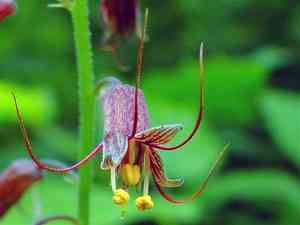
The Piggyback Plant flourishes when reproduced via cuttings, a technique that capitalizes on its inherent capacity to generate new specimens from its foliage. For successful propagation, choose a robust, fully developed leaf along with a small segment of the stalk. Insert this cutting into damp, adequately draining substrate, making sure the bottom is securely embedded. The perfect conditions for Piggyback Plant cuttings involve diffused, ample illumination and steady moisture, which fosters robust root formation and promotes energetic expansion.
What Is the Best Time To Propagate Piggyback Plant?
Propagation Type
Cutting
Propagation Season
Spring,Summer
What Tools Are Used in Piggyback Plant Propagation?
Sharp pruning shears or scissors
These implements are vital for making clean cuts on runners and the small plantlets that emerge from piggyback Plant. A precise, clean cut minimizes harm to the parent plant and plantlets, promoting faster healing and lowering disease risk. Sharp pruning shears or scissors are especially useful for piggyback Plant due to its vegetative propagation via offsets from the parent plant.
Sterilizing agent (Isopropyl alcohol or bleach solution)
Before and after severing plantlets or runners from piggyback Plant, sanitizing cutting tools is essential. This practice prevents the spread of pathogens and infections, preserving the health of both new starts and the mother plant during the propagation process.
Rooting hormone
While piggyback Plant typically roots easily, applying a rooting hormone can boost root development in new cuttings. This hormone stimulates quicker and stronger root growth, increasing propagation success and ensuring young plants establish more effectively.
Planting medium (well-draining soil mix or peat moss blend)
After cutting, piggyback Plant plantlets require a suitable medium that supports healthy root growth. A well-draining soil mix or peat moss blend offers the necessary aeration and moisture retention, encouraging the development of a strong root system crucial for the new plantâs survival and growth.
Small pots or propagation tray
Individual containers or a propagation tray are needed to house each newly cut piggyback Plant plantlet. These receptacles should provide ample space for root growth and feature proper drainage to prevent waterlogging, which can cause root rot and impede the plantâs development.
How to Propagate Piggyback Plant?
Propagation Type
Easy
How to Care for Your Newly Propagated Piggyback Plant?
How to Care for Your Newly Propagated Piggyback Plant?
Once propagated, maintain consistent soil moisture, allowing the top inch to dry between waterings. Encourage healthy growth with occasional feeding using a balanced, liquid fertilizer at half strength during the growing season. Ensure good air circulation around the piggyback Plant to prevent fungal infections, and keep it in a space with temperatures between 60-75°F for optimal growth. As it matures, perform occasional pruning to encourage bushiness and remove any yellowing or damaged leaves.
Common Mistakes to Avoid When Propagating Piggyback Plant
Overwatering cuttings
Providing too much moisture can lead to fungal growth or rot, which hinders root development and can kill the piggyback Plant cuttings.
Using large containers
Starting piggyback Plant cuttings in oversized pots can result in excessive moisture retention in the soil, increasing the risk of root rot and impeding propagation success.
Neglecting hygiene
Not sterilizing tools or using unclean pots can introduce harmful pathogens to the piggyback Plant cuttings, affecting their chances of rooting successfully.
Ignoring aerial growth
Failing to recognize the unique characteristic of piggyback Plant where new plantlets grow on top of the mother leaf can cause gardeners to overlook a simple and effective means of propagation.
Tips For Propagating Piggyback Plant
Select healthy plantlets
Choosing robust, well-developed plantlets growing on the mother leaf of the piggyback Plant ensures a good start for propagation, as they are more likely to thrive when detached and replanted.
Moderate watering
Maintaining evenly moist but not soggy soil conditions helps the piggyback Plant cuttings to develop roots without the risk of rot or fungal issues.
Use appropriate containers
Small pots with good drainage help to regulate soil moisture levels, creating an ideal rooting environment for piggyback Plant cuttings.
Ensure indirect light
Providing bright but indirect light supports healthy growth without causing stress or scorching to the developing piggyback Plant plantlets.



