How to Prune Piggyback Plant?
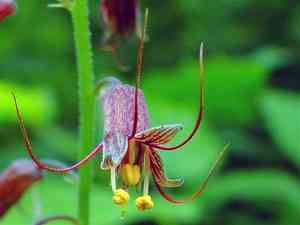
Known for its capacity to produce new plantlets from its foliage, the piggyback Plant thrives with careful trimming to preserve its vitality and aesthetic. Trimming entails detaching yellowed or deceased leaves and faded blossoms at their base to stimulate new development. The most suitable times for pruning are from spring through autumn, aligning with its period of vigorous growth. This practice averts excessive density and enhances air movement, which is particularly advantageous for this compact, leafy variety.
Advantages of Trimming Piggyback Plant
Advantages of Trimming Piggyback Plant
Trimming piggyback Plant promotes robust development and preserves its compact shape, which is crucial for the visual appeal of this luxuriant foliage plant. Regular cutting revitalizes piggyback Plant, ensuring a healthier and more attractive specimen.
Optimal Time for Trimming Piggyback Plant
Optimal Time for Trimming Piggyback Plant
Trimming in Spring is effective as piggyback Plant enters its active growth phase, allowing for rapid recovery. Early Summer is also suitable, leveraging the growing season without stressing the plant during peak heat. Fall pruning is not recommended, as piggyback Plant should prioritize root development and energy storage for winter over healing pruning wounds.
Tools Required for Trimming Piggyback Plant
Precision Pruners
Given the delicate nature of piggyback Plant, precision pruners are ideal for making clean cuts on its slender stems. They offer accuracy, preventing damage to adjacent stems and leaves.
Gardening Scissors
Gardening scissors serve as a good alternative to precision pruners. Their short blades are well-suited for piggyback Plant's small size, enabling precise snipping.
Leaf Snips
Leaf snips are designed for gently removing unwanted foliage. Their fine tips allow for careful thinning and maintenance of piggyback Plant, minimizing plant disturbance.
Small Bypass Pruners
Small bypass pruners can be used for slightly thicker stems or when a larger portion of piggyback Plant needs to be cut back. Their sharp, curved blades ensure clean cuts without crushing plant material.
How to Trim Piggyback Plant
Identification
Locate any diseased, withered, or dead leaves and branches on piggyback Plant that need removal.
Sterilization
Before trimming piggyback Plant, sanitize pruning tools with alcohol or a bleach solution to prevent disease transmission.
Cutting
Using sharp scissors or pruners, make clean cuts to remove diseased and withered leaves, as well as dead or diseased branches from piggyback Plant. Cut close to the base of the leaf or branch without harming the main stem.
Disposal
Dispose of the pruned material away from healthy plants to avoid spreading any potential pests or diseases.
Post-Trimming Care
Monitor piggyback Plant after trimming for new growth or signs of disease, ensuring it continues to receive adequate water and light.
Common Trimming Errors with Piggyback Plant
Excessive Trimming
A frequent error is removing too much growth, which can stress piggyback Plant. Only light trimming is necessary to remove dead or overcrowded foliage.
Neglecting Health Inspection
Failing to check for pests and diseases before trimming can lead to their spread. Thoroughly inspect piggyback Plant before making cuts.
Using Dull Tools
Trimming with dull tools can damage piggyback Plant's stems, resulting in ragged cuts that may not heal properly and could become infected.
Incorrect Cut Placement
Improperly positioning trimming cuts, either too close or too far from the node, can hinder regrowth. Cuts should be made near a node to encourage healthy new shoots.
General Trimming Advice for Piggyback Plant
Sanitized Tools
Utilize sanitized pruning shears to prevent the introduction of diseases to piggyback Plant. Clean tools before each use.
Selective Trimming
Focus on removing only damaged or overgrown leaves and stems to maintain piggyback Plant's shape and support its development.
Encourage Offset Growth
When trimming, aim to promote new offsets by removing older, faded leaves, thereby allowing piggyback Plant to multiply more readily.
Prompt Regular Maintenance
Regularly remove dead leaves and spent flowers to direct energy towards new growth, keeping piggyback Plant vibrant and healthy.



